


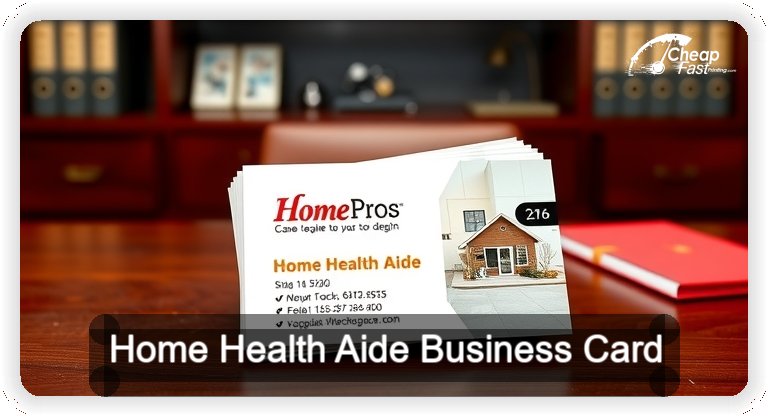
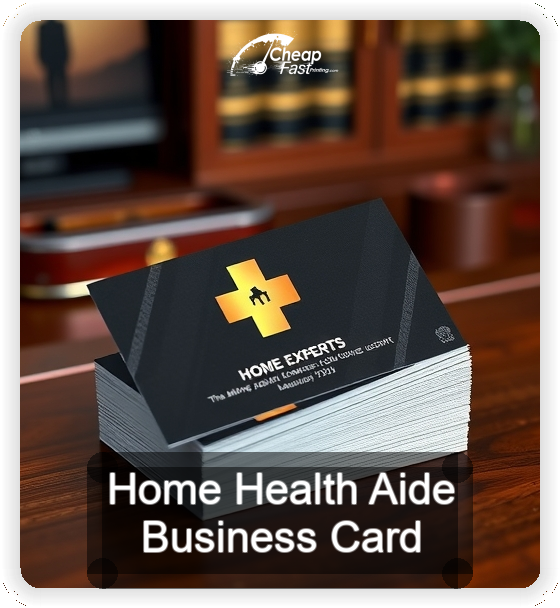
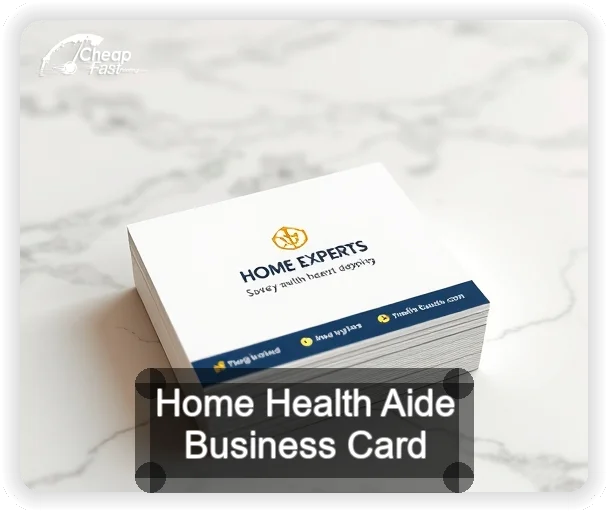
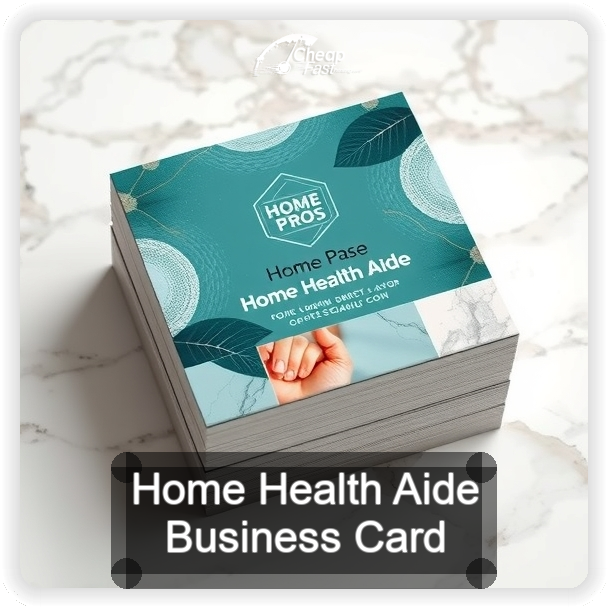
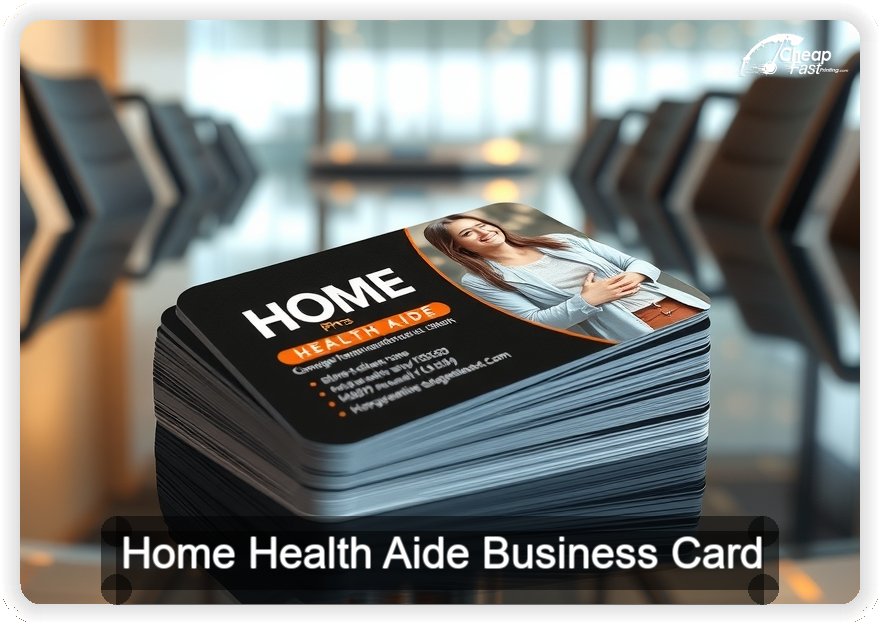
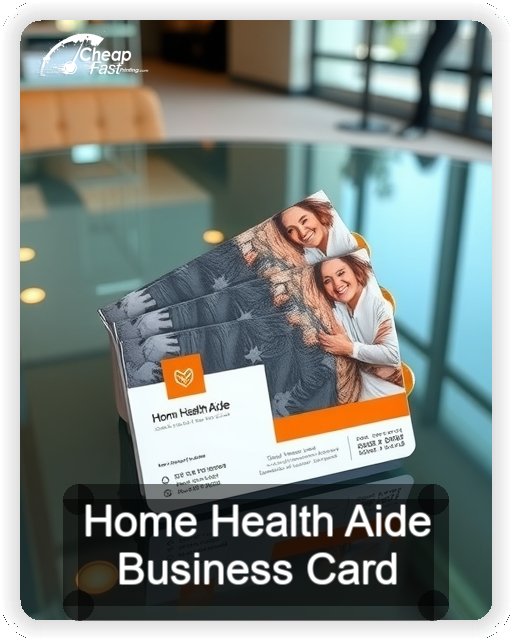
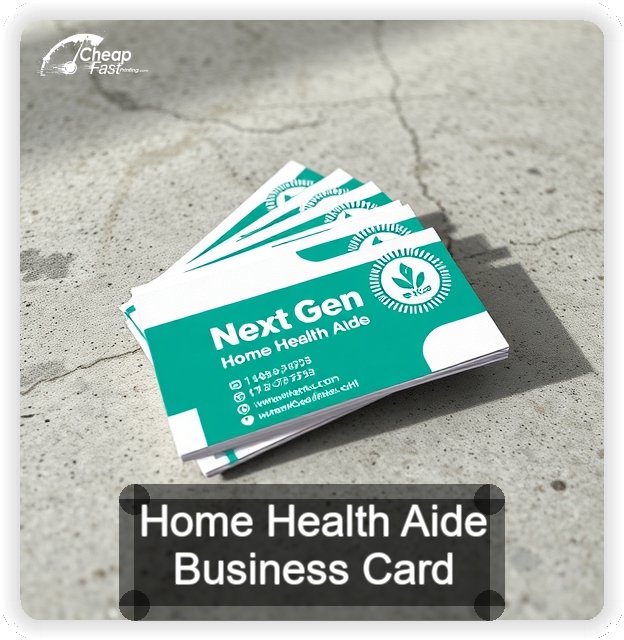
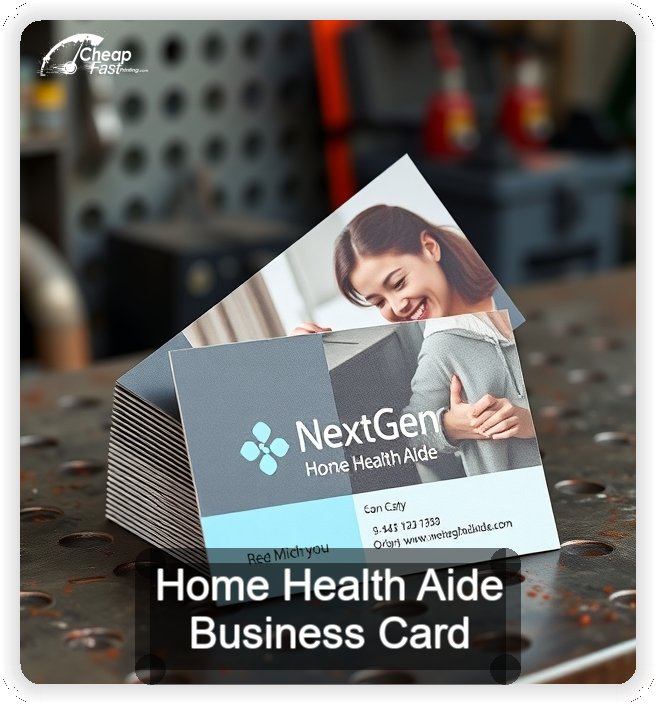
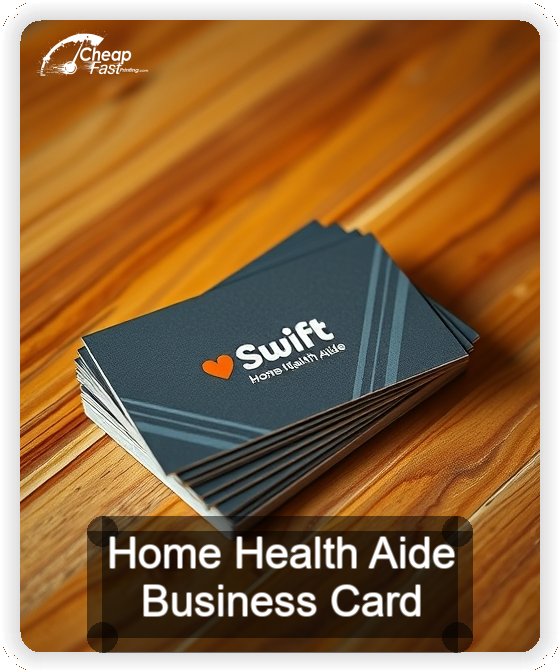
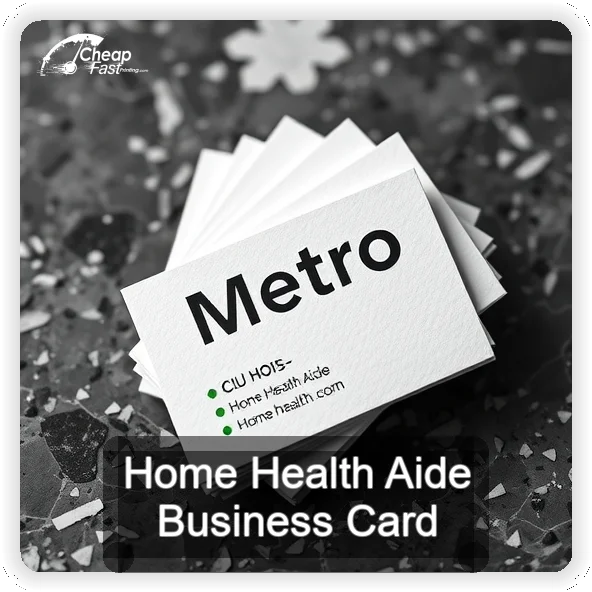
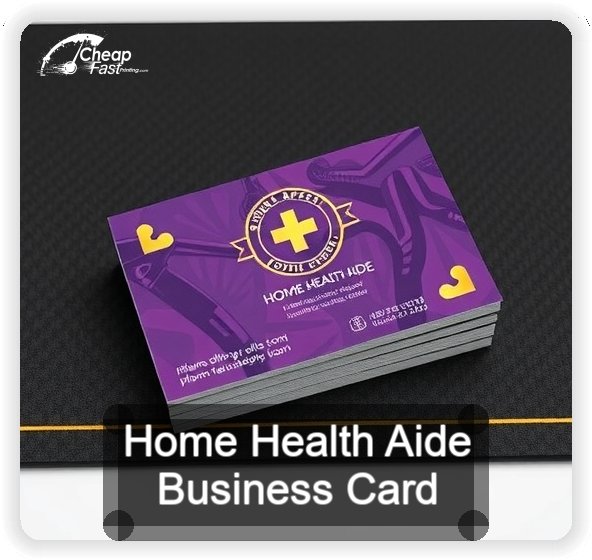
Good layout reduces stress in the moment. We build high-contrast type, a clear name line, and one primary action so the piece is easy to use.
For partner referrals, the back can carry one short instruction. Keep it direct and readable, with spacing that survives real-world handling.
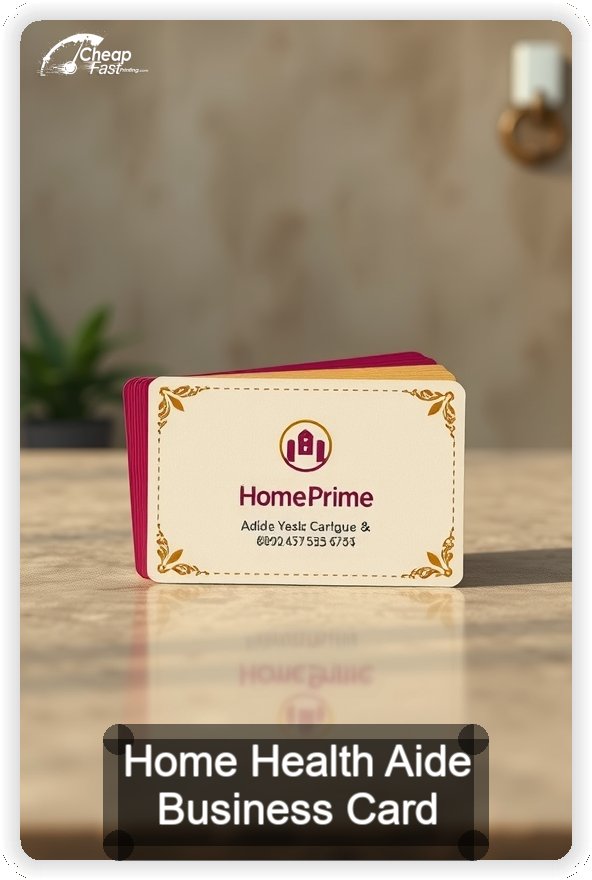
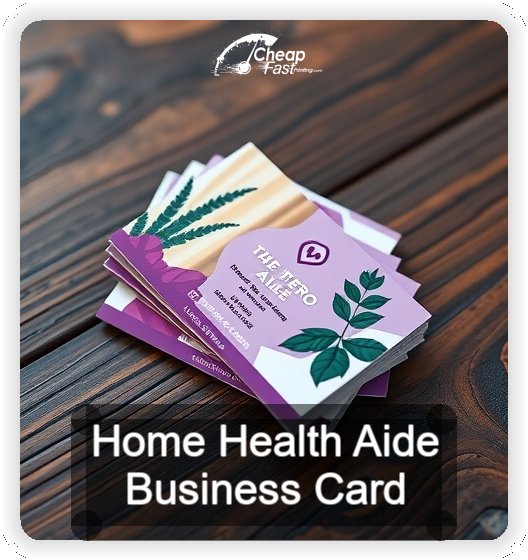
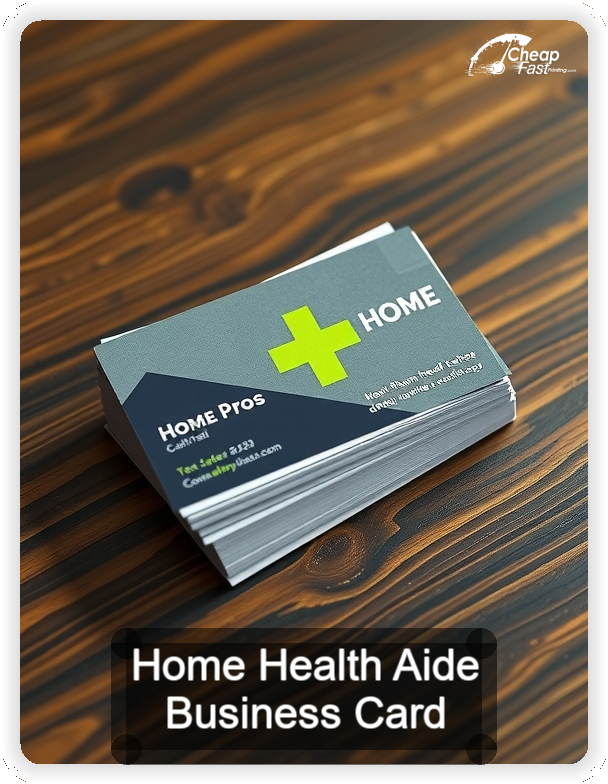
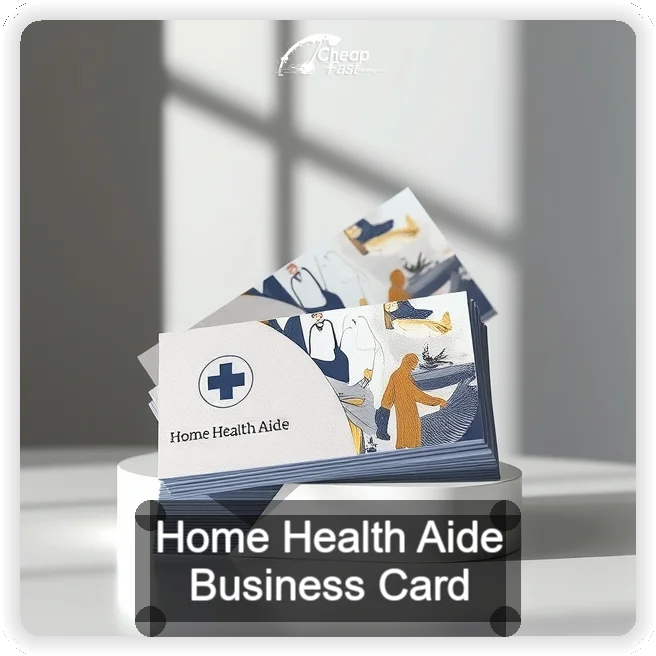
When agencies need medical aide business cards, we focus on a calm, professional look that works across home visits, clinics, and care coordination. The goal is trusted contact sharing, not flashy clutter.
Power words used across this page include premium, trusted, proven, secure, bold, fast, durable, crisp, and reliable.
Bulk pricing is designed for agencies that need predictable inventory. Compare the per-piece cost at 5000 and plan reorders around onboarding cycles.
When teams order 16pt business cards, the goal is durability plus clean print at scale. That balance keeps outreach consistent while controlling spend.
These half-circle prints are made for aides who visit homes, assist with daily living, and coordinate with nurses and therapists. The shape is easy to keep on hand and hard to ignore in a stack.
They also work for staffing coordinators who need a simple, repeatable way to share contact details with patients and partner offices. Clear identification builds confidence in the first minutes of a visit.
For teams that want a standout shape, 3.5x1.75 circle cards are a common choice for quick introductions and referral hand-offs. This page focuses on a half-circle cut in the same footprint to keep the design bold but practical.
Artwork is checked for legibility, then printed at 300dpi so small text stays crisp. Edges are inspected before packing to keep every piece consistent.
Print runs are scheduled for predictable output and tight quality control. Proofs are clear, edits are simple, and timelines are shown up front.
Managers can plan inventory because the process is straightforward. That keeps outreach materials ready when new staff start or when referral volume spikes.
Send a logo, name list, and one primary contact method. We format the layout for the half-circle cut so nothing feels cramped.
Proofs are delivered by email for fast approval. Keep a short checklist during review: spelling, phone digits, and QR destination.
Use them at intake, at discharge follow-ups, and at community health events. They store well in patient folders and small organizers.
Leave a small stack with partner offices when appropriate. The goal is to make the next call easy, not to overwhelm anyone with text.
A single code, zero conditions: paste it at checkout and your 5% print discount is live.
Within Home Health Aide, cards circulate quickly — at conferences, across desks, in waiting rooms. What you hand to a prospect or colleague communicates something before they even read your name. This focused coupon takes 5% off your business card order total, with savings capped at $49.63, letting you choose premium materials and still walk away with a tighter final invoice.
Home Health Aide teams often need cards fast — print decisions land right before direct mail inserts and mailer drops, leaving little room for drawn-out deliberation. This offer is designed for that environment. Apply the code at checkout, save up to $49.63, and still access premium options like linen texture board or spot UV accent coating. The pricing model here is built on volume and speed, not on thinning the cardstock.
Notice the -IND suffix at the end of HOMEHEAL-5-OFF-BC-IND — it is a structural marker that ties this code to this industry page and business card printing only. That scoping keeps the offer accurate and relevant. Paste it at checkout and the 5% reduction — up to $49.63 — appears on your total automatically.
Whether this is a first order or a refresh run, the discount applies the same way: paste and save. If the design still needs work — layout, hierarchy, margin balance — Free Design support can handle adjustments before print. This offer was built for Home Health Aide teams who know that a well-printed card is not a luxury, it is a professional baseline.
Choose quantity and finish. Free design and proof included.
| Quantity | Total Price | Per Piece |
|---|
Please select different options to view pricing.
Place a QR code that links to intake forms, contact pages, or scheduling tools so patients can book visits quickly.
QR codes are included in free design so caregivers get an actionable card without extra cost.
We place codes for reliable scanning and test them on sample prints before production.
Care work is personal, so the first hand-off has to feel calm and credible. These prints are built for quick introductions at a front door, in a clinic hallway, or during a referral call.
Use home health aide cards when a patient asks for a direct number, a shift update, or a simple way to schedule the next visit. A clean layout avoids confusion and keeps the focus on care.
In 2026, many agencies rely on text-based scheduling. Add a short link or QR so the contact path is instant and the next step is clear.
The half-circle cut is a smart middle ground. It stands out, but it still fits in badge holders, pockets, and small organizers used on daily rounds.
Use the front for name and role, then keep the back for a short next-step line like “Call to confirm” or “Scan to request a visit.” Keep wording simple so it reads fast.
When space is tight, clarity wins. Pick one primary contact method and make it large.
A simple hierarchy keeps the piece readable when lighting is low or the viewer is in a hurry.
These pieces are practical for day-to-day caregiving. Keep a small stack in a visit bag, at a nurse station, and at the intake desk.
Small habits add up. A clear hand-off increases call-backs, reduces missed appointments, and builds trust.
Large runs help teams stay prepared through hiring waves, seasonal demand, and schedule changes. A 5000 quantity order is a strong fit for multi-location agencies and staffing coordinators.
We keep proofs organized so reorders are fast. That means fewer approval delays and a more consistent look across the whole team.
We focus on sharp type, strong contrast, and consistent cutting so every piece looks intentional. That matters when staff hand them out all day.
Production is tracked from proof to shipment with clear timing. The goal is reliable delivery without surprises.
Keep cards in a plastic sleeve or desk box to prevent bending during rounds. Avoid folding or stacking under heavy items to maintain edge quality.
For staff who carry cards daily, we recommend ordering a replacement pack every 6–12 months to ensure contact details stay readable and the edges remain neat.
Each run goes through a color and trim check before packing. We test QR codes on printed samples to ensure reliable scanning in low light and variable phone cameras.
If the team wants firm handouts that do not bend fast, 16pt stock cards are a solid choice for daily routes. Clean cutting and crisp ink help the contact line stay readable after repeat handling.
When agencies distribute cards to new hires, include a short onboarding card that lists primary contact methods and emergency procedures. Keep copies with HR so replacements are simple and contact info stays current.
Use a single line for scheduling details and a QR code to link directly to staff calendars; this reduces errors when shifting shifts or updating assignments.
Add license numbers or an agency ID on training inserts when required. Keep regulatory text brief so it does not clutter primary contact details.
Store master templates centrally to reduce approval cycles and speed reorders for branch offices.
Train staff with a short script for handing a card and explaining booking steps; small scripts improve consistency and confidence. Include a pen during orientation so writable backs are used from day one.
Operational consistency increases patient trust and improves booking outcomes.
Keep spare packs in vehicles and the office so lost or damaged cards are replaced quickly. Rotate stock quarterly to keep contact info current.
At intake, scan the QR code with the patient to confirm the booking link works on their device and provide a short printed URL as a backup for low-tech users.
Use color coding for emergency numbers so caregivers find them fast during visits. Small visual cues reduce search time in urgent moments.
Supply partner clinics with a small stack and a short referral note so receptionists can pass contacts directly to patients.
Log how many cards are handed out weekly to forecast reorder sizes and avoid gaps during busy seasons. Simple tracking helps teams budget and plan inventory.
Share successful layouts across teams so everyone benefits from proven field designs and reduces rework.