
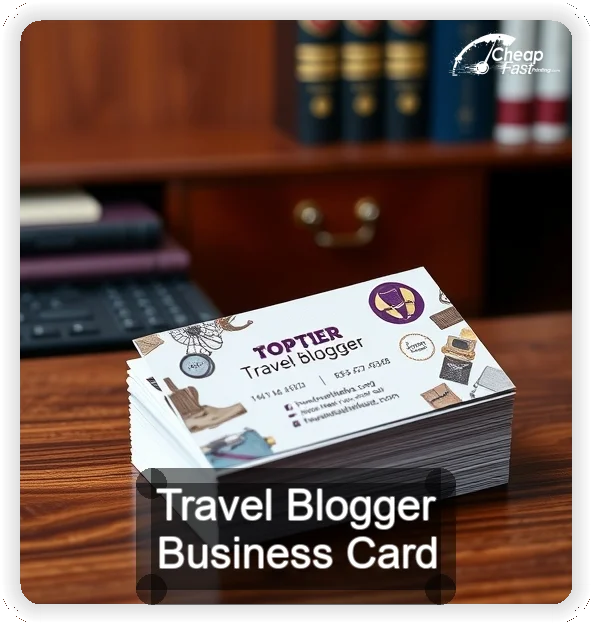
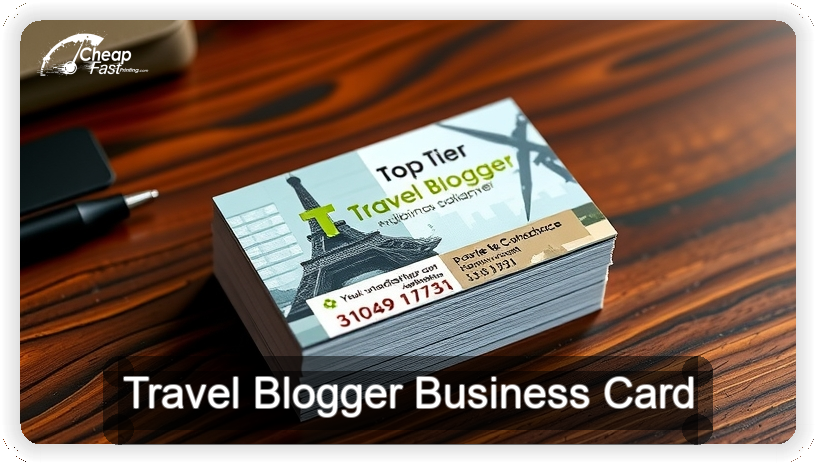
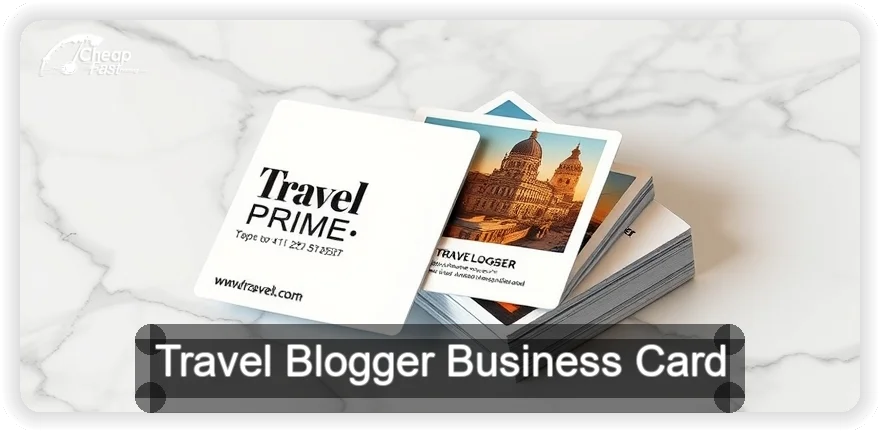
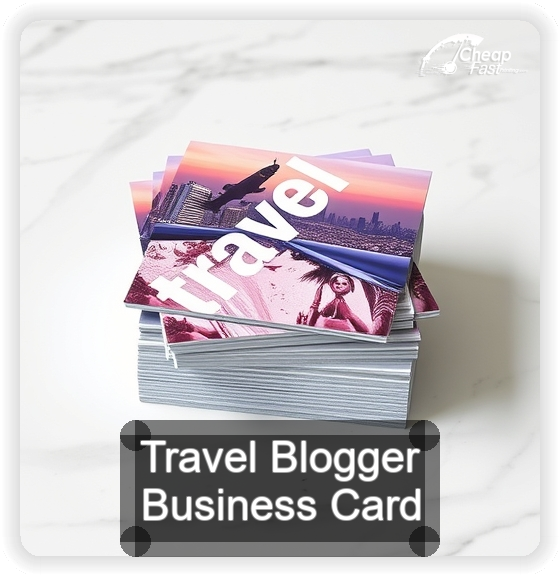
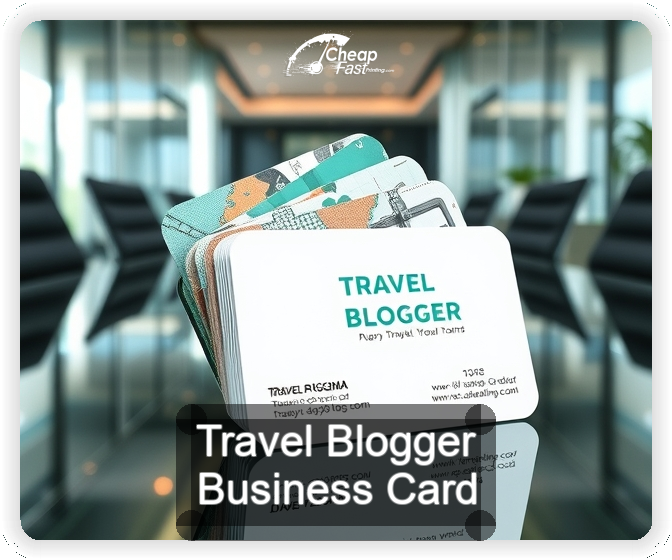
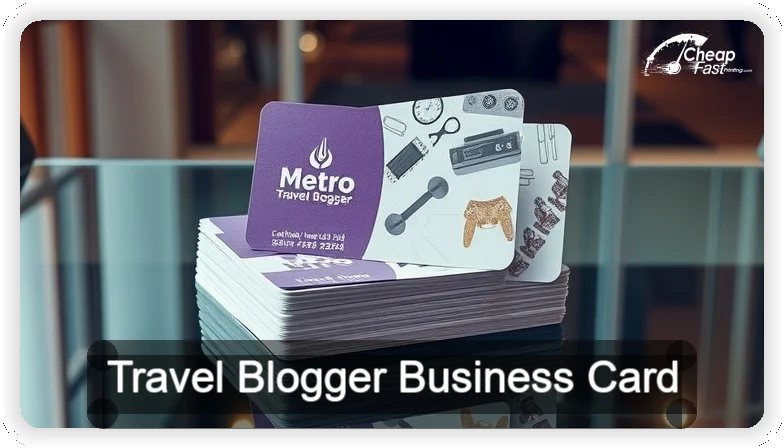
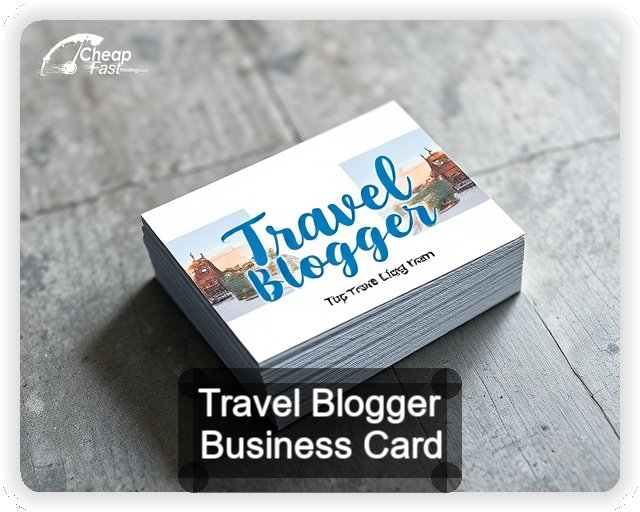
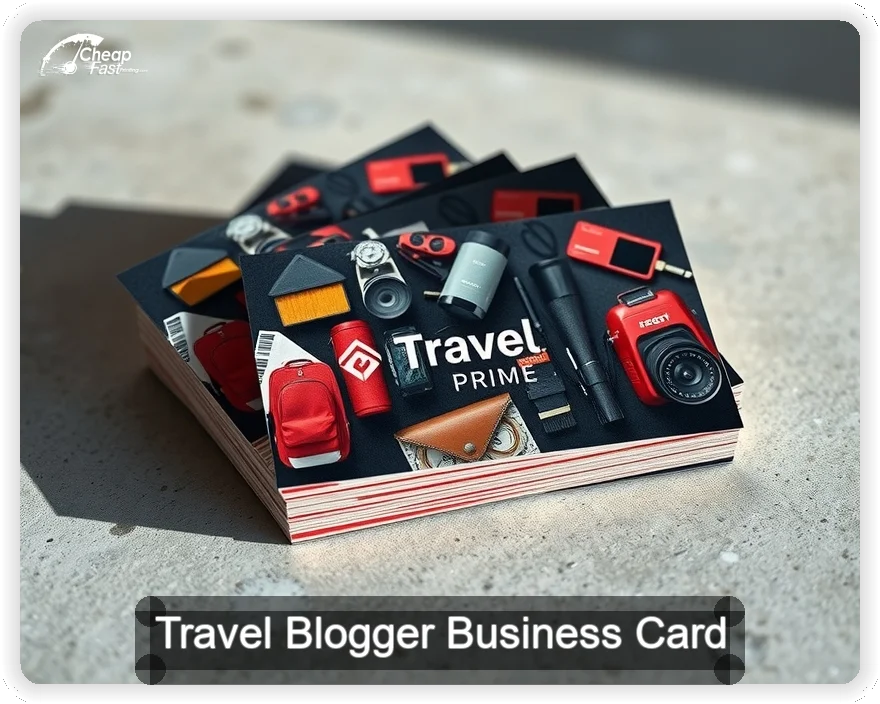
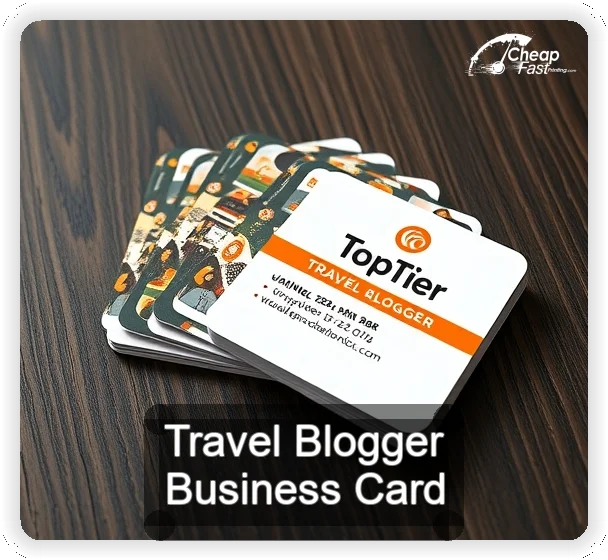
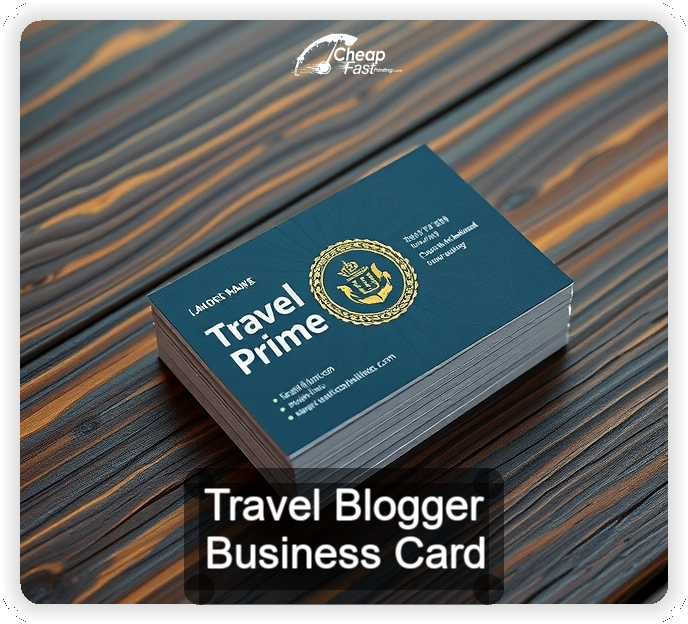
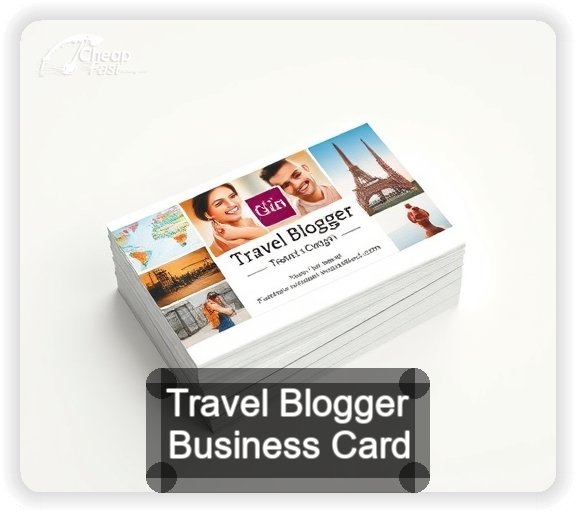
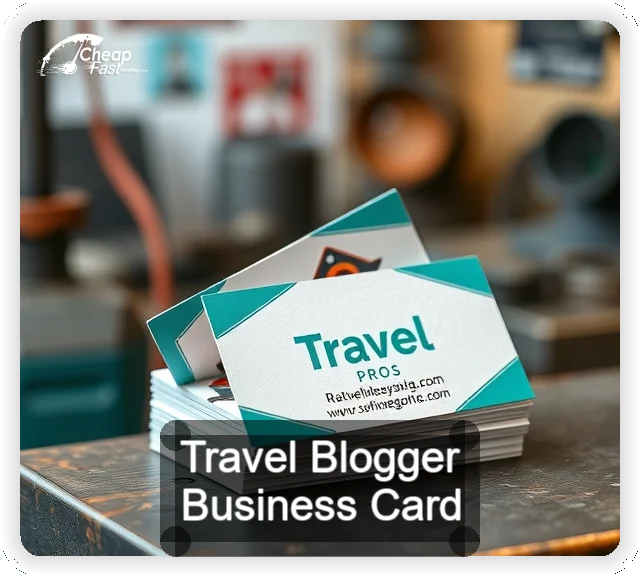
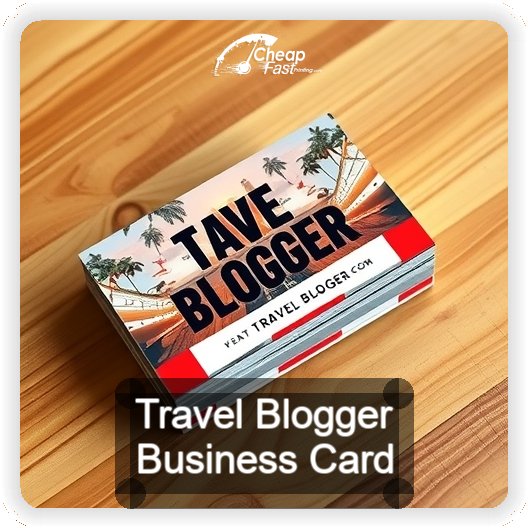
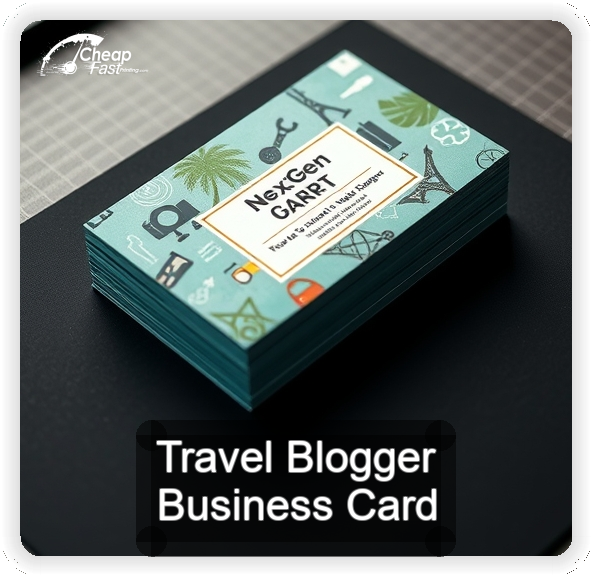
Design for travel creators should balance personality with clarity. Your card can include one strong visual cue, such as route lines, destination stamps, or compact icon systems that signal your niche at a glance. We keep layout clean so contact steps remain obvious.
Our design team can build styles for adventure channels, family travel educators, food-travel journalists, or luxury itinerary storytellers. We align fonts, spacing, and hierarchy so the card feels consistent with your website and social channels. You are getting free edits until the composition feels complete.
When creators need repeatable handouts for tours and workshops, 100 Business Cards Printing on 14pt Uncoated gives a dependable starter run that supports field networking without overcommitting budget. We can later scale quantity once the layout proves strong in real interactions.
We are using AI apps to speed concept iterations, but human review controls every final decision. This hybrid process protects quality while keeping turnaround fast. Must see to understand.
These cards are built for solo creators, couple channels, creator collectives, newsletter-first travel writers, destination photographers, and vloggers who need an offline conversion tool that feels premium in hand. If your work depends on partnerships, referrals, and live networking, a printed card keeps your contact flow smooth. It turns a short meeting into a trackable business lead.
Travel blogger cards also fit tour curators, digital nomad coaches, itinerary consultants, and travel educators who host paid workshops. Many of these professionals meet audiences in airports, pop-up classes, creator events, and tourism conferences where quick contact transfer is critical. A tactile handoff remains more memorable than spoken handles in crowded spaces.
Our team is helping both new and established creators. If this is your first run, we explain every step in plain language. If you already have brand assets, we can align typography, palette, and QR behavior with your current media kit.
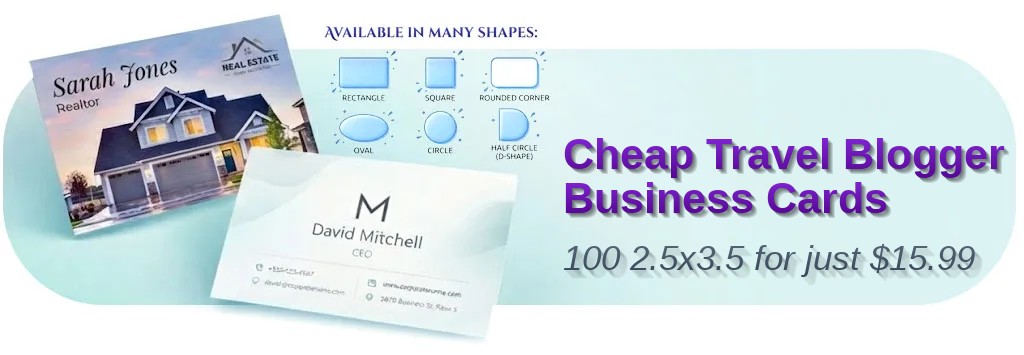
Travel blogger cards are set to the industry standard 2.5x3.5 rectangle, easy to store in wallets, badge holders, and organizer sleeves. The selected paper stock is 14pt uncoated, giving a tactile finish, reliable stiffness, and no heavy glare under bright event lighting. This makes your text readable and your card camera-friendly.
For creators who value note-taking during field networking, uncoated is a smart pick because pens and pencils write cleanly on the surface. You can jot campaign codes, city routes, or meeting reminders directly on cards. That practical detail supports real travel workflows.
Travel Blogger Marketing Business Cards give a professional edge at creator meetups, tourism board briefings, and brand launch events. Strong print plus clear messaging helps your card stay on desks after the event ends.
No finished file yet? We are offering complete Free Design support. Send brand colors, channel links, or rough ideas, and our designers plus AI tools build concepts for review. You are getting a digital email proof before printing begins, always.
Need revisions? We continue editing at no setup cost until your layout is approved. That includes spacing fixes, QR placement, text refinement, and hierarchy improvements. We keep process clear so you can approve with confidence.
Human hands verify final prepress details before run time. We never push unverified artwork to press. This quality discipline protects your reputation at first touch.
If you are testing a new channel direction, start small and validate field response. If your calendar includes multiple conferences, collabs, or regional trips, planned volume can lower cost per card. We can guide quantity strategy based on your event cadence.
Some clients reorder monthly for ongoing meetups. Others print seasonally around campaign launches. Both patterns work when you have a dependable print partner who stores approved files and updates details fast.
As your audience grows, your card becomes a compact brand asset, not only a contact slip. It carries your voice, your style, and your professional promise in one handoff.
Our 14pt uncoated stock is durable for routine travel handling. We also provide options for recycled fibers when eco goals are part of your brand story. Soy-based ink paths are available in many production setups.
Sustainability and performance can work together when print planning is intentional. We can discuss quantity planning to reduce unused inventory and help you run smarter batches. That keeps your workflow responsible and cost-efficient.
If you need alternate finishes for specific campaigns, we can present matte or gloss alternatives and explain trade-offs in plain terms. You choose based on use case, not guesswork.
Production and transit are shown separately so your timeline remains realistic. For high-priority dates in 2026, rush options can be selected when available. Early approval always gives the best buffer for event certainty.
Our regional fulfillment approach helps many nearby states receive shipments quickly, depending on route and carrier performance. For creators with fixed conference dates, we can help estimate safe order windows in advance.
This planning support is part of our service culture. We are not only printing cards, we are supporting your on-the-road business operations.
Many creators overload cards with too many links and too many promises. A cleaner framework works better, one identity line, one niche line, one primary action. This keeps decision load low for the person receiving your card, especially in busy event environments.
Use language that communicates value quickly. Instead of broad labels, choose specific positioning such as "Cultural City Guides for Millennial Travelers" or "Family-Friendly Itinerary Producer for Tourism Brands." Specific roles attract stronger leads because partners instantly understand fit.
We help refine this message during free design setup. Our team reviews line length, readability, and hierarchy to keep your card focused and persuasive. Better message discipline can improve reply rates without increasing ad spend.
As your calendar grows, card inventory should be planned like any other campaign asset. Track monthly usage by event type, conference booths, destination briefings, and community classes. This gives a predictable reorder cycle and prevents last-minute shortages before important trips.
A practical method is setting reorder triggers at 40 percent remaining stock. That threshold leaves enough time for proof updates, production, and shipping with reduced stress. If your contact details change often, we can store master files and process small edits quickly before each run.
Reliable print operations reduce cognitive load for creators managing many moving parts. You should be focused on storytelling and partnerships, not emergency card logistics. We are building our workflow around that reality.
Every field on your card should support one business goal, making follow-up easy and clear. Put your creator name first, then a concise role line that states your content specialty. Add one primary contact route and one scannable route to avoid confusion.
Use short, readable text and maintain strong contrast, because many exchanges happen under poor lighting in expo halls and transport hubs. If you serve a specific region or language audience, include that signal clearly. Relevance boosts trust, and trust improves reply speed.
Avoid cluttered back sides with too many icons. One focused QR destination usually performs better than a scattered list of links. We can help tune this hierarchy during proofing so your card works like a compact conversion tool, not a crowded flyer.
Printed cards can be measured with simple systems. Use unique QR destinations for each event category, then compare scan counts and inquiry quality across conferences, workshops, and destination tours. This shows where your networking effort is producing the strongest business outcomes.
Track response lag time, meaning how quickly contacts reply after receiving your card. Faster response usually indicates better message fit and stronger audience targeting. If delays are long, adjust your role line, value statement, or destination page clarity.
We recommend a monthly review rhythm. Keep what is converting, remove what creates friction, and print updated versions only when the changes are meaningful. This disciplined cycle helps your brand stay current while protecting budget and operational focus.
Grab this code now, apply it at checkout, and see your order total drop before you confirm.
People who work in Travel Blogger understand that every touchpoint carries weight. A well-printed business card is not a formality — it is a compact argument for your professionalism. This page-level discount code unlocks a 5% saving, up to $49.43, specifically on business card printing, so the cost of doing it properly goes down without any tradeoff on output.
When Travel Blogger teams prepare for post-meeting follow-up leave-behinds, print budgets often compete with other line items. This code addresses that friction head-on: a 5% reduction, up to $49.43, on business card printing. That saving leaves room to select tactile upgrades — soft-touch matte coating, satin finish with aqueous seal, or similar — without inflating the total. The pricing model here is built on volume and speed, not on thinning the cardstock.
Your specific code for this page is TRAVELBL-5-OFF-BC-IND. The -IND suffix marks it as industry-scoped — issued for Travel Blogger specifically, not recycled from a sitewide promotion. Copy it in one click, paste it at checkout, and the system applies your 5% reduction to qualifying business card line items before you reach the payment screen. No manual claims, no follow-up.
Before you apply the code, consider whether this run is a reorder or an upgrade. Either way, the 5% discount applies. If you are redesigning from scratch or adjusting an existing file, Free Design can help fine-tune the output — bleed settings, color profiles, card-safe margins — before the job hits the press. This offer is made for Travel Blogger buyers who want results, not guesswork.
Choose quantity and timeline, Free Design and proof are included.
| Quantity | Total Price | Per Piece |
|---|
Please select different options to view pricing.
QR codes help your card connect directly to media kits, booking forms, newsletter hubs, and channel landing pages. We generate the code and place it during free design setup, so there is no setup friction.
For travel creators, QR handoff is powerful at conferences and destination briefings where timing is short. One scan can open your full brand stack, recent campaigns, and collaboration options in seconds.
We optimize contrast and placement for reliable scans, and we test readability during proofing. This keeps your card practical in fast-paced field conditions.
You can post ten reels in one day, but a strong printed card still closes the conversation when you meet someone at a hostel desk, airport lounge, creator meetup, or tourism board booth. In a fast digital scroll, people forget profiles. In a tactile moment, they remember texture, color, and your name in hand.
That is the reason why our cards are built for creators who are moving city to city, as your brand must stay clear and trusted no matter where your next story starts. We are offering Free Design Setup, free edits, and a digital email proof before printing, so you are not gambling with your personal brand. We are keeping production efficient, and that is how cheap becomes smart value, not low quality.
Many creators start with 100 Travel Blogger Business Cards when they are testing a new visual identity, a new niche, or a new sponsor direction. This quantity gives enough cards for field use while keeping the first run budget controlled. When you see what performs in real-world networking, scaling the next run becomes simple.
Your card must survive backpacks, camera pouches, notebook sleeves, and quick exchanges at boarding gates. Our 14pt uncoated paper stock is sturdy, writable, and clean on camera if you film behind-the-scenes content. Uncoated also helps when someone wants to write a partner contact, booth number, or meet-up time right on the card.
Imagine this scenario: you finish a panel in Austin, a tourism rep asks for contact info, and there is noise around you. A printed card passes faster than searching a phone profile. The moment is short, and your card carries your full story, including website, social handle, and niche focus. That instant transfer has a massive impact when timing matters.
We print at high resolution, with accurate trimming and clean edge quality. We explain bleed in plain language, print all the way to the edge, so your layout looks complete and intentional. Our team checks alignment, safe zones, and color conversion from RGB to CMYK before production starts.
Uncoated stock has a natural finish that feels honest, editorial, and handcrafted, which aligns with documentary style travel storytelling. It avoids glare under bright lights and gives a refined look when you shoot close-up b-roll for content recaps. The tactile feel supports trust, because people sense quality before they even scan your QR code.
Travel Blogger Business Cards on 14pt Uncoated are popular for creators who want a premium tone without a glossy reflection. You can write collaboration notes, city names, campaign codes, or press appointment times directly on the back. That flexibility becomes useful when your schedule changes on the move.
Worried about the cheap wording on our brand name? Do not worry, we got you covered. Our cheap model is based on smart automation, calibrated digital presses, and efficient workflow. We never compromise on paper stock, proofing, or visual consistency.
You send your logo, social links, preferred color direction, and short value statement. Our designers and AI tools build concept options matched to your niche, such as budget travel, luxury stays, backpacking guides, solo female travel, van life routes, food travel, or family itineraries. Then we send a proof by email for approval.
If edits are needed, we revise for free until your direction feels right. Want bolder typography? Want cleaner map iconography? Want better spacing for QR scan reliability? We can handle all of that before anything reaches the press.
Our experience talks clear, creators move fast and do not have time for endless software tweaking. So we reduce friction with a human-first process that keeps your voice intact. You focus on stories and partnerships, we handle prepress, layout, and print readiness.
Cards are not old-school for this market, they are practical conversion tools in live environments where wifi quality, noise, and timing can break digital handoffs. You can leverage from physical cards at moments where social links get lost. These are high-intent situations where first impressions become future contracts.
Bulk Business Cards for Travel Blogger campaigns are also useful when you are sending welcome kits to guest contributors, co-hosts, or regional coordinators. Team-level distribution keeps branding aligned across episodes, meetups, and sponsored routes. This is specially helpful when your channel has multiple on-camera contributors.
After proof approval, your order enters production. We separate production time from transit time on checkout, so planning stays transparent. If your event has a fixed date, we suggest ordering early, but rush options are available.
Our facilities in Rhode Island, Texas, Ohio, Florida, California, and Kentucky support regional shipping flow for faster delivery windows. This network helps creators in nearby states receive cards in one or two business days in many lanes. Delivery speed depends on carrier routing, weather, and cut-off times, but regional fulfillment gives clear operational advantage.
You will receive cards boxed with protection, ready for immediate field use. Unboxing should feel reliable and professional. Crisp print, sturdy stock, and consistent trim, that is the standard we are maintaining to the top.
Design style should match content promise. A budget-travel creator may use practical typography and route-map motifs. A luxury travel creator may prefer soft neutral palettes, elegant type, and minimal icon sets. A food-travel creator can feature texture-led color blocks inspired by markets and street scenes.
So, for this purpose, we guide style selection with conversion in mind. People should understand who you are in three seconds: niche, platform focus, and contact path. Overloaded cards lose clarity. Focused cards earn follow-up.
Custom 100 2.5x3.5 Business Cards are ideal when you are testing a new style after a rebrand, because you can run a focused batch and validate response at live touchpoints before scaling volume.
You might be wondering if low pricing means weaker output. Here is why it does not. We optimize scheduling, leverage from automation, and keep workflow streamlined with AI-assisted proof prep plus human checks. That model reduces waste and speeds turnaround while preserving print standards.
We are positive to say quality control is not optional on our floor. We check artwork readiness, color intent, and trim zones before press run. If something looks risky, we flag it before production, because prevention saves time and protects your brand.
Compared with many retail print counters, our model includes Free Design Setup and free proof support that often costs extra elsewhere. You are not paying hidden setup fees to reach professional output. Transparent pricing, durable stock, and responsive support stay included.
If you want cards to drive real outcomes, use a repeatable playbook during each trip. Keep one small stack in your passport pouch, one in your daypack admin pocket, and one in your camera case organizer. This three-point carry system prevents missed moments when one bag is checked or left at the hotel desk.
Before each event day, write a tiny note on ten cards with your current campaign focus, such as slow travel Europe, family city guides, or budget Southeast Asia routes. Personal notes increase response because the card feels tailored, not generic. At the end of each day, log where each card exchange happened, then track which location types bring the best follow-up response.
Use simple scripts so your handoff sounds natural and fast. Example: "Here is my card, QR goes to media kit and recent destination campaigns." This one line gives clarity, saves time, and helps partners know exactly what they will find after scanning. In crowded halls, concise language improves conversion.
When you are speaking on stage or joining a panel, keep cards near the mic stand and at the side table. After the session, people often approach in waves, and a visible stack reduces friction during those short windows. It is that simple, make access easy, keep message clear, and protect momentum after every public appearance.
Consistency matters when your audience meets you in different cities across one quarter. A card handed out in Portland should feel like the same brand handed out in Miami, London, or Mexico City. We support this by locking typography, spacing, icon style, and color intent across reprints, even when campaign text changes.
For traveling teams, establish a base layout with fixed brand anchors: logo zone, creator title line, contact line order, and QR location. Then allow one flexible area for campaign-specific highlights. This approach keeps recognition high while giving room for local relevance in each destination leg.
If you run creator tours with co-hosts, we can produce coordinated sets that keep a common visual language while changing names and role lines. This protects brand trust and prevents confusion when sponsors or tourism offices collect multiple team cards at once. Unified presentation signals a reliable operation.
Our design workflow stores approved versions, so updates stay controlled instead of improvised. That helps avoid common issues such as mismatched handles, outdated links, or uneven hierarchy from rushed edits. You get stronger continuity, and your contacts get a clearer brand experience.
Travel content is emotional, but partnership decisions are practical. Brand managers and tourism coordinators need clear contact pathways, campaign context, and confidence that you can deliver. A strong card supports all three, because it communicates professionalism before the first email even lands in their inbox.
Digital profiles are important, but they are easy to forget in high-noise environments. Printed cards create a physical reminder that can sit on a desk, in a planning binder, or inside an event badge holder. That repeated visibility improves recall and increases the chance of timely follow-up.
You can also treat cards as micro-landing triggers. With one scan, your contact can jump to media kit, rates, featured destinations, or collaboration inquiry form. This bridges offline trust and online action in seconds, which is exactly what creators need during fast meetings and conference transitions.
When used strategically, cards are not decoration, they are conversion infrastructure. They support lead capture, sponsor pipeline growth, and long-term relationship building across regions. In 2026, creators who combine tactile branding with smart digital routing are often the ones closing better partnerships.
Large creator events are noisy and fast, so your process must be intentional. Start each day with a clear target list: brand managers to meet, tourism contacts to follow, and creator collaborators to reconnect with. Cards help anchor these interactions because they provide immediate context when introductions are brief.
Set mini goals for each event block, such as ten qualified exchanges before lunch and five follow-up messages before evening sessions. Pair every card handoff with one quick verbal qualifier, for example your destination expertise or campaign format. That pairing improves memory and makes your follow-up email feel relevant instead of random.
When working as a creator duo or small team, assign clear roles during networking windows. One person handles conversation depth while another manages quick handoff flow and card placement. This operational split increases throughput while keeping conversations personal and high quality.
After each event day, run a short debrief. Note which intro lines worked, which card version got better reactions, and which sectors showed strongest sponsor interest. These insights guide your next print batch and help you leverage from every trip with measurable improvement.
Cards should travel like critical equipment, not loose extras. Use rigid mini cases or divider sleeves to avoid bent corners and surface wear in crowded bags. Keep a small dry pouch when heading to humid or rainy environments, especially during tropical coverage schedules.
Carry mixed access points so you are never stuck. A quick-access pocket is useful for spontaneous meetings, while reserve stock stays protected in your main luggage. If one set gets damaged or soaked, backup cards keep your workflow moving without interruption.
During multi-leg trips, inspect card stacks every few days. Remove worn pieces and keep best-condition cards for high-value meetings with tourism boards, hotel groups, and agency decision makers. Presentation quality matters, and clean edges plus crisp print reinforce trust before any contract discussion starts.
It also helps to keep one emergency micro-batch with event-specific notes prewritten. These become useful when booth contact windows are short and staff rotation is high. A prepared card can save minutes that lead to valuable collaboration opportunities.
Most creators think card success is only about design, but system design is equally important. If your follow-up process is weak, even a beautiful card underperforms. Build a repeatable outreach path so every handoff has a clear next step within twenty-four hours.
Start with a lightweight CRM sheet and tag each card exchange by category: tourism board, hotel brand, travel gear sponsor, creator collaboration, speaking organizer, or local business owner. Add event name, city, and discussion context in one line. This tiny discipline gives you a usable pipeline instead of a pile of forgotten contacts.
Use one follow-up template per category and personalize the first sentence with location context, such as "Great meeting at the Denver creator summit." Personal relevance increases open rates and signals professionalism. Then link to one focused destination page, not five scattered links.
When your process is consistent, card distribution becomes measurable lead generation. You can compare event ROI, identify high-converting partner types, and prioritize your next travel schedule around the strongest outcomes. That is how tactile networking supports long-term creator revenue growth.
Our team can also help place short campaign tags on the card back if you need route-based tracking for partnerships. A small identifier like Q2-SEA or EURO-SUMMER can simplify reporting without cluttering your front layout. These practical details become powerful when brand campaigns scale.
Direct messages are useful, but they are easy to miss during conferences and travel days. Printed cards create immediate certainty, the other person leaves with your details in hand, and follow-up friction drops. In high-noise environments, this reliability is hard to replace.
At destination familiarization trips, schedules move fast from hotel inspection to activity briefing to dinner networking. You often have only seconds between sessions to exchange details. A card handles that moment with speed and clarity while keeping your brand presentation polished.
At creator education workshops, attendees frequently ask for mentorship resources or tool recommendations. Handing a card with a QR path to your resource hub keeps the conversation focused and reduces repeated manual sharing. It also helps attendees remember your name after a packed learning day.
When filming in markets, festivals, or transport hubs, local collaborators may not share the same apps or social habits. A card transcends platform differences, language barriers, and temporary signal problems. It becomes a universal handshake for professional intent.
During sponsor meet-and-greets, brand teams often collect many contacts quickly. Your goal is to make recall easy later when they review options. Strong tactile stock, clean layout, and concise positioning improve your chance of moving to the short list.
Strong card copy is short, specific, and benefit-led. Avoid vague labels like "content creator" alone, because they do not explain your market fit. Add a practical line such as "Destination Storytelling for Tourism and Hospitality Campaigns" to clarify value quickly.
Use a hierarchy that reflects decision flow. First line identifies you, second line identifies specialty, third line gives action path. This structure helps busy contacts process your message in seconds and decide whether to scan, save, or email.
Keep font sizes readable under event lighting and avoid over-stylized scripts that reduce clarity. If your audience includes international partners, use plain wording and avoid slang-heavy phrases. Clarity travels better across regions and industries.
Your QR destination should match the promise on the card. If the card says media kit, the landing page should open directly to media kit, not a generic homepage. Alignment between message and destination builds trust and reduces bounce.
Before final proof approval, read the card aloud. If any line sounds awkward in speech, revise it. Spoken rhythm matters because many handoffs include a quick verbal intro that echoes the printed message.
We are helping creators tune this language during Free Design Setup, because word choice influences conversions as much as color and typography. Better copy plus better print quality creates stronger first impressions in every city.