
Professionally designed for 8.5" x 14" flyers. Fully editable & free!
Preparing Templates…
Air Duct Cleaning Flyers work best when they surface a clear problem and a single next step. Use one headline, one offer, and one call path so homeowners can act without hesitation.
The 8.5x14 layout gives room for before‑and‑after proof, a short service list, and one strong CTA. Keep the structure simple so it reads fast from a countertop or door hook.
When your offer and schedule are consistent with the estimate page, response improves because the message feels trustworthy and familiar.
Lead with one strong health or indoor‑air benefit, then show a visual proof point. Most homeowners need a clear reason to act now.
Use a short service list and keep the CTA focused on booking or a free inspection. A single path converts best.
Pair the flyer with a short landing page so customers can request a time window without confusion.
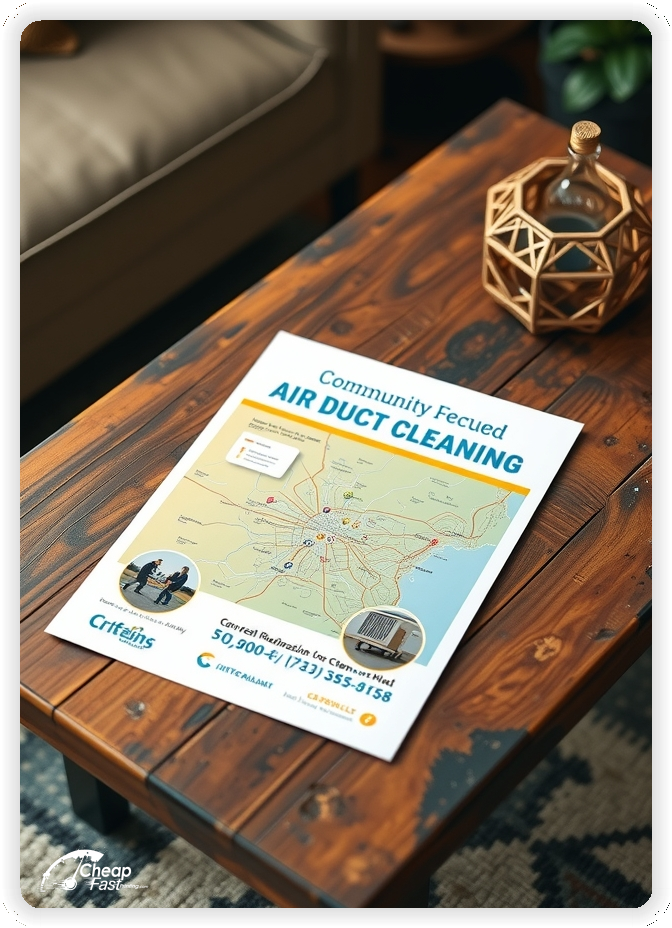
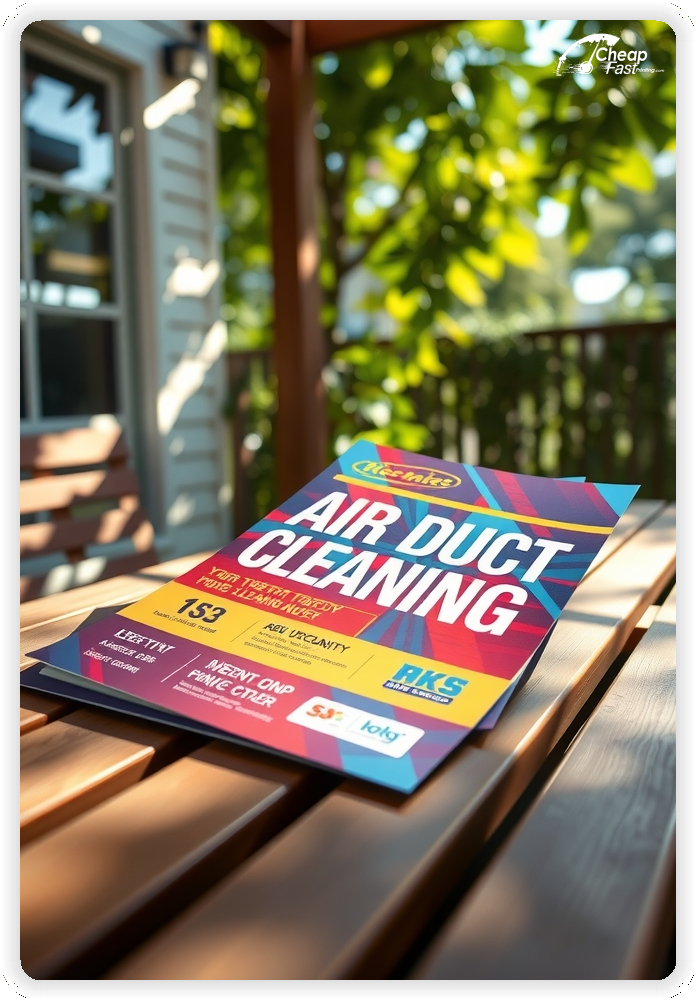
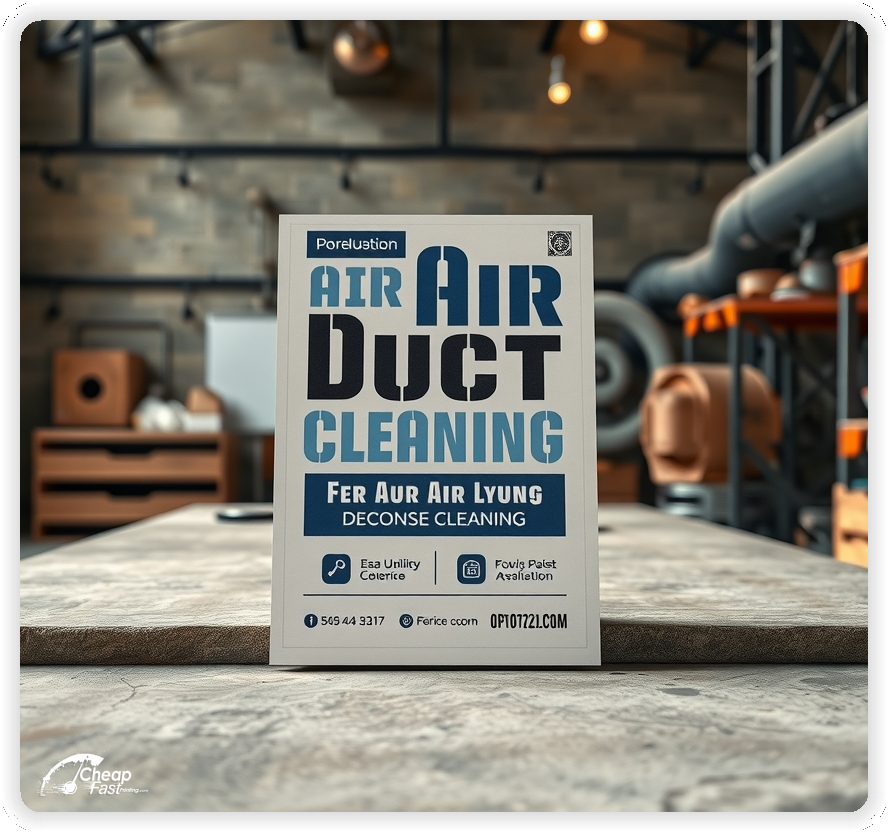
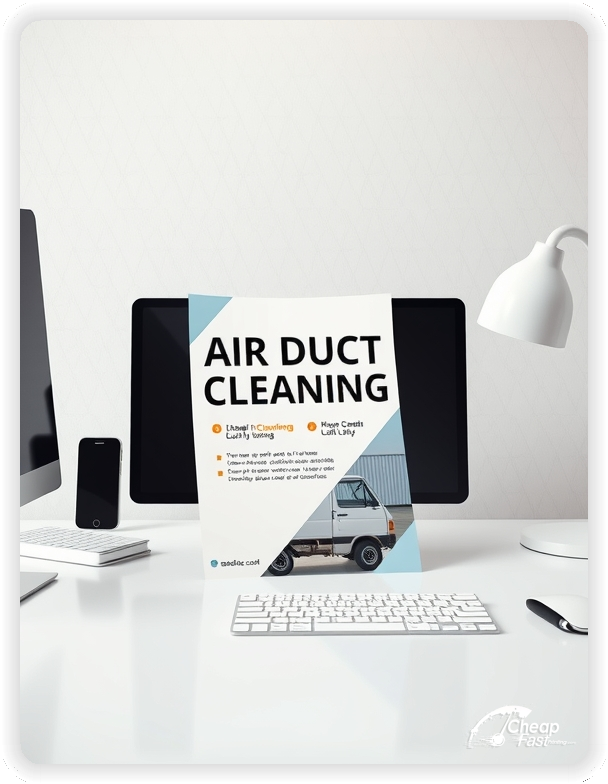
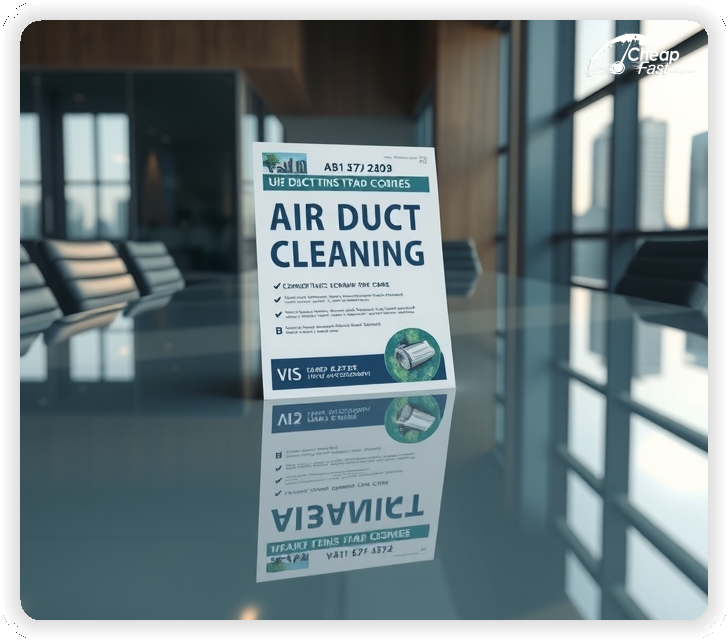
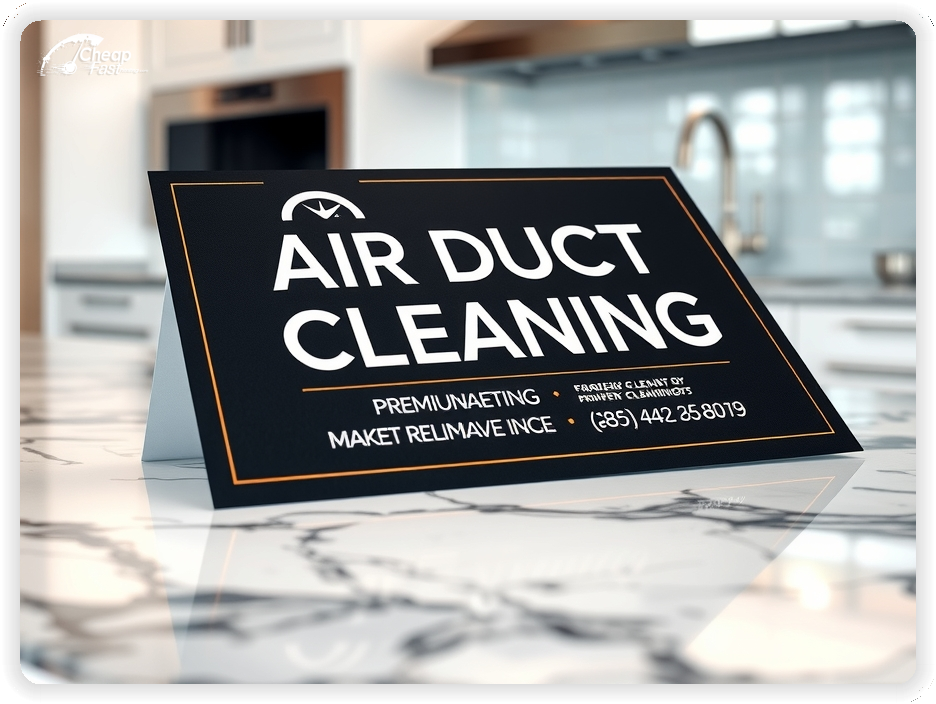
High response comes from clarity, not more text. Effective service flyers answer the first questions a homeowner has.
This keeps the message readable even at a quick glance.
The larger format provides room for a short checklist and one large before‑and‑after photo without crowding. It also leaves space for a clear CTA block.
Use the top third for the benefit line, the center for proof, and the bottom for the booking path.
Choose matte paper flyers to reduce glare on community boards and countertops. Matte keeps small text readable in bright light.
For photo‑heavy designs, increase contrast and avoid thin fonts so details remain sharp.
Homeowners cannot see inside their vents, so visual proof is critical. Use real photos of returns, coils, or trunk lines.
Keep the “after” image brighter and tighter to highlight the improvement.
Focus on cleaner air, reduced dust, and fewer allergens. Avoid fear language and keep the tone practical.
Short benefits help families see immediate value without heavy copy.
List what is included in one compact line: supply vents, returns, and main trunk lines. This prevents misunderstandings and reduces price objections.
Keep optional add‑ons for the estimate page.
One offer works best. Examples include “whole‑home special” or “seasonal clean‑air check.”
Place the offer above the CTA and keep terms short.
Add one line about licensing, insurance, and experience. If you have a guarantee, keep it to one sentence.
Trust lines belong near the CTA where the decision happens.
Target neighborhoods with older homes and high dust exposure. Repeat the same streets before expanding so recognition builds.
Use air duct cleaning handouts in partner stacks to reinforce the same offer between route drops.
Coordinate with property managers for permission and consistent placement. A single flyer version per property simplifies approvals.
Provide a direct booking path with a short URL or QR code.
Residential messaging should emphasize health and dust reduction. Commercial messaging should focus on efficiency, compliance, and maintenance intervals.
Use separate versions when targeting both audiences.
A low‑cost dryer vent add‑on can increase conversions. Keep the add‑on line short and avoid adding multiple upsells.
Use it as a trust‑building entry point.
Use one action: call, text, or scan. A short landing page should collect address, preferred time, and service type.
Fast booking reduces drop‑offs and improves crew scheduling.
Avoid long tables. Use a single “from” price and clarify that final price depends on system size and access.
This keeps calls qualified while maintaining trust.
Pair door drops with EDDM to reinforce the same offer. Consistent timing improves recall and response.
Run drops on weekends or early evenings when homeowners are home.
Offer two or three appointment windows to reduce decision friction. Keep the promise narrow and reliable.
Confirm bookings with a short text reminder.
Include a brief line about shoe covers, home protection, and cleanup. A small reassurance can improve response.
Keep the note short and avoid long policy language.
Use one short testimonial line near the CTA. Avoid long reviews or paragraphs.
A simple trust line helps homeowners take the next step.
Use a short checklist to keep the on‑site process consistent: walk‑through, equipment setup, cleaning steps, and final photo.
Consistency improves reviews and repeat bookings.
Multiple offers confuse fast readers. Use one primary offer and one next step, then repeat it across all placements.
Recognition drives response. Repeat the same streets before expanding so homeowners see the message more than once.
Upload artwork for 8.5x14 100lb matte cover runs. We keep the layout clear so homeowners book quickly.
Proofing checks the details that impact response.
A quick proof prevents a full run from being wasted on a small typo.
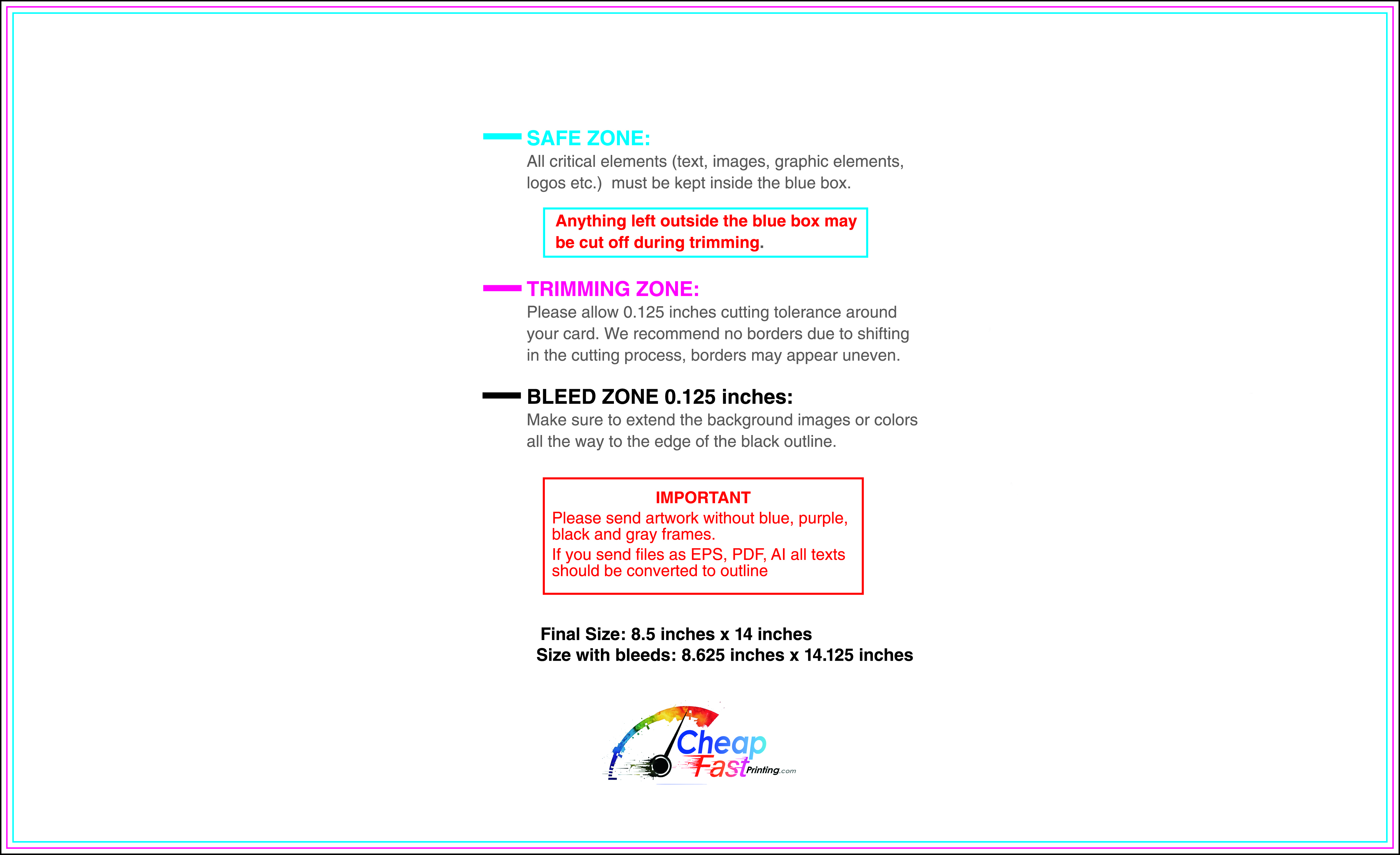
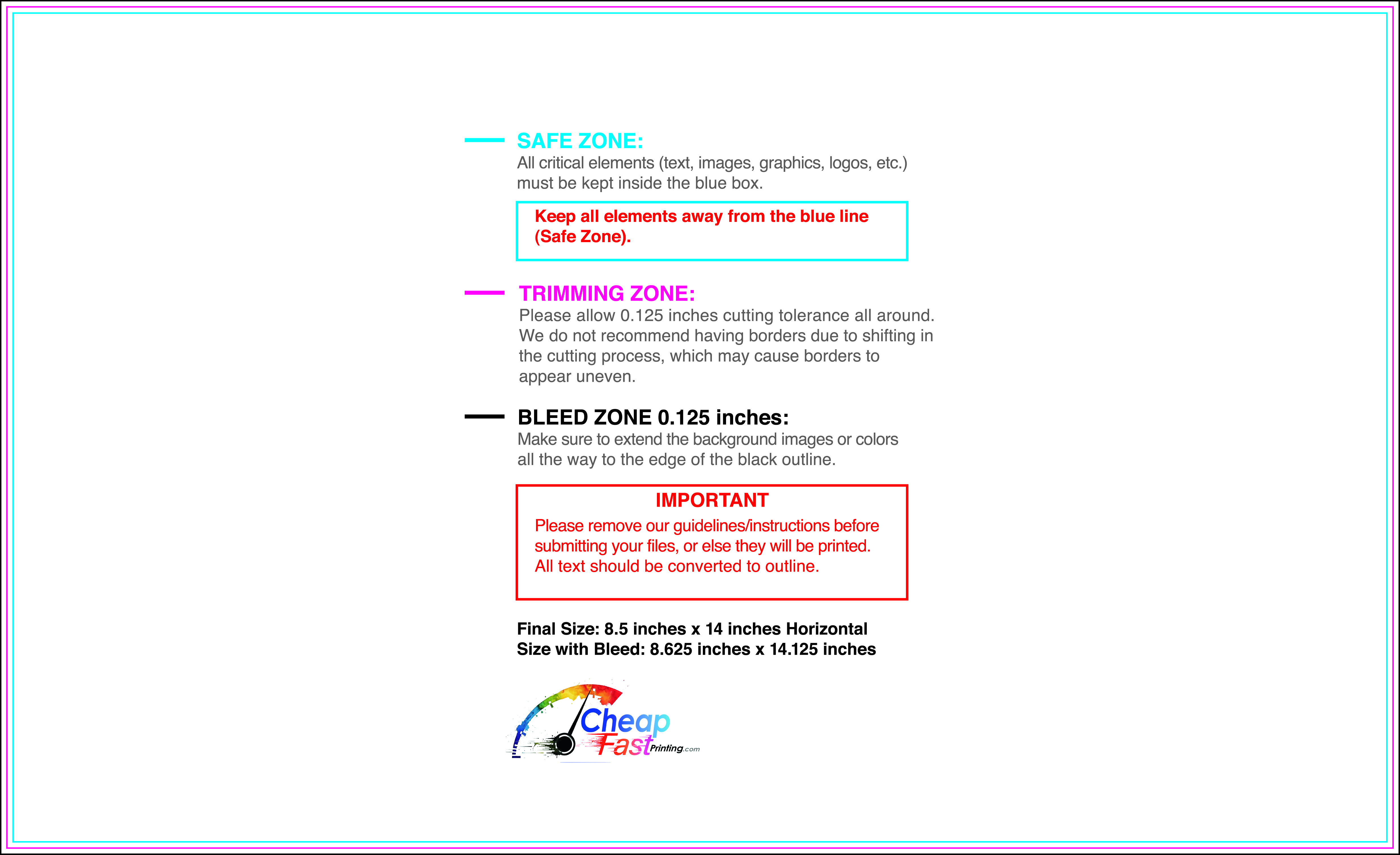
Use 8.5x14 templates to keep margins, bleed, and safe zones correct. Templates protect QR placement and contact lines across reorders.
Reusing the same layout builds recognition while you swap seasonal offers.
Loading Free Editable Designs...
Please wait while we prepare the template library.
The cheapest flyer is not the best value if it does not generate calls. Compare by inspection requests, booked jobs, and route density growth.
Track response by neighborhood and scale the best‑performing areas with repeat runs.
Use one clear headline, one offer, and one primary CTA (call, scan, or order). Add the essentials: phone, website/QR, service area, hours (if relevant), and a trust signal like years in business or a short review snippet.
Keep the layout scannable: one hero image or icon, short bullets, and high-contrast CTA text that’s readable at arm’s length.
Yes. 8.5" x 14" balances visibility and readability without feeling cramped. It gives enough space for a strong headline, a benefits list, and a CTA while staying easy to hand out or place on counters and boards.
Prioritize spacing and hierarchy over extra copy so the main message lands in 3–5 seconds.
100 lb. Matte Cover with Matte affects how the flyer feels and how colors read. Gloss tends to boost color and photos, matte reduces glare and feels more premium for text-heavy layouts, and uncoated is great for writing on.
If your design uses lots of fine text, choose clarity and contrast first; paper upgrades won’t fix a crowded layout.
5000 works well when you want consistent visibility across multiple placements (counters, boards, partner locations, events) over a few weeks. Bulk also lowers unit cost so you can test a message and keep the winner running.
Track performance, then reprint the best offer instead of changing everything at once.
If price is your main hook, feature one simple offer (“ off” or “Starting at ) and keep the fine print minimal. If you have variable pricing, use a short value statement and send details to a landing page.
A clean offer + simple CTA typically outperforms a long price list.
Use a QR code to a dedicated landing page and add UTM tags for each route or partner. Track scans, form fills, and calls to identify the placements that actually convert.
For non-QR audiences, include a short, memorable URL or a trackable phone extension.
Start where your customers already are: complementary businesses, community boards, local events, and targeted neighborhoods. Ask partners for the most visible spot and refresh before your flyer gets buried.
Use a consistent route and restock winners; small, repeated placements usually beat one big drop.
Submit a print-ready PDF (CMYK) at 300 DPI with 0.125" bleed and safe margins around important text. Keep thin lines above 0.5 pt and make QR codes at least ~0.8" square for reliable scanning.
Use vector logos when possible and limit your fonts to maintain a clean, professional look.
Request a proof so you can confirm spelling, margins, and QR/URL accuracy before production. Proofing is the easiest way to prevent expensive reprints.
Double-check phone numbers and offer terms first—those are the most common issues.
Match your flyer headline and offer to the landing page headline so visitors feel they’re in the right place. Keep the CTA consistent and make the page fast to load and easy to complete on mobile.
If you run ads, retarget QR visitors with the same offer to improve conversions.
Plan print runs around seasonal demand and route capacity. Start with a tight route, then scale once response is proven.
Consistent distribution improves response more than frequent offer changes.