Professionally designed for 5" x 7" flyers. Fully editable & free!
Preparing Templates…
When a customer needs windshield repair, they look for a business they can trust. Our **auto glass repair flyers** printed on 13pt premium linen paper communicate professionalism and reliability at first touch.
The unique texture of **linen paper flyers** helps your message stand out from standard mailers, making them ideal for high-end service marketing and insurance claim assistance.
Effective auto glass marketing requires reaching local drivers when they need you most. These **auto glass repair handouts** are perfect for placing on vehicles after storms or distributing at local automotive events.
With a clear call to action and professional finish, your firm becomes the first choice for safe, expert windshield replacement.
Focus on your mobile service capabilities and insurance claim assistance. Drivers value convenience and cost-savings when dealing with glass damage.
Ensure your phone number and 'Mobile Service' callout are the most visible elements on the flyer.
Using **linen paper flyers** adds a tactile sense of quality that matches the precision required for modern ADAS-equipped windshield repairs.
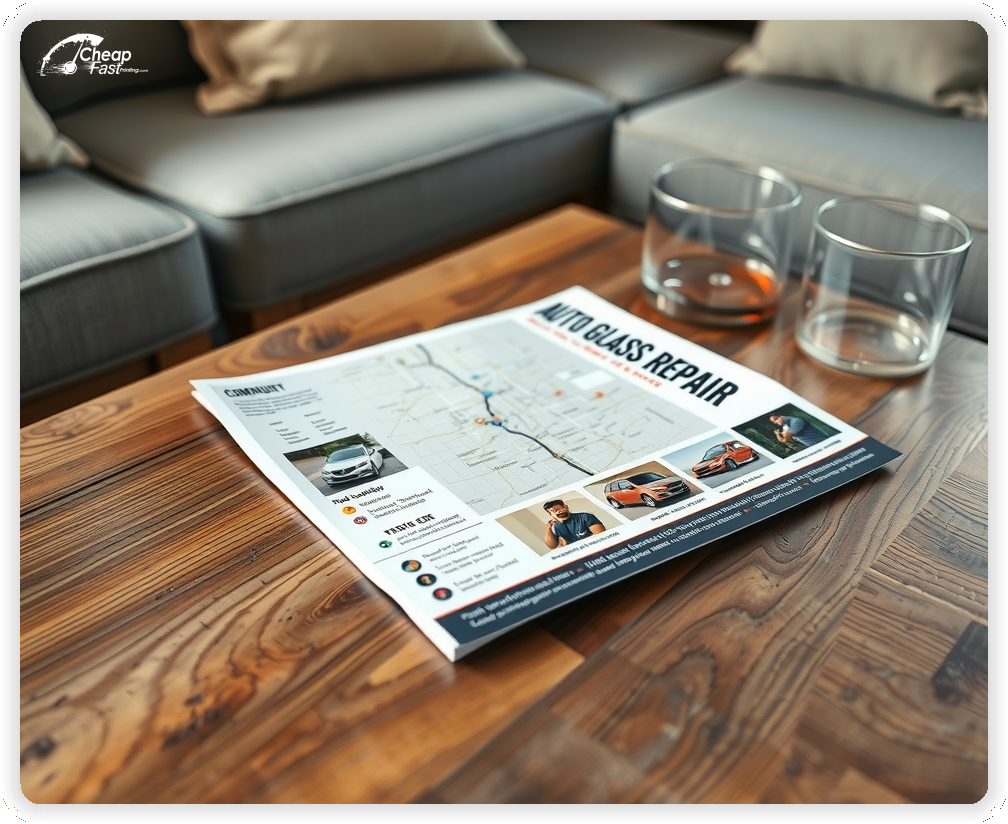
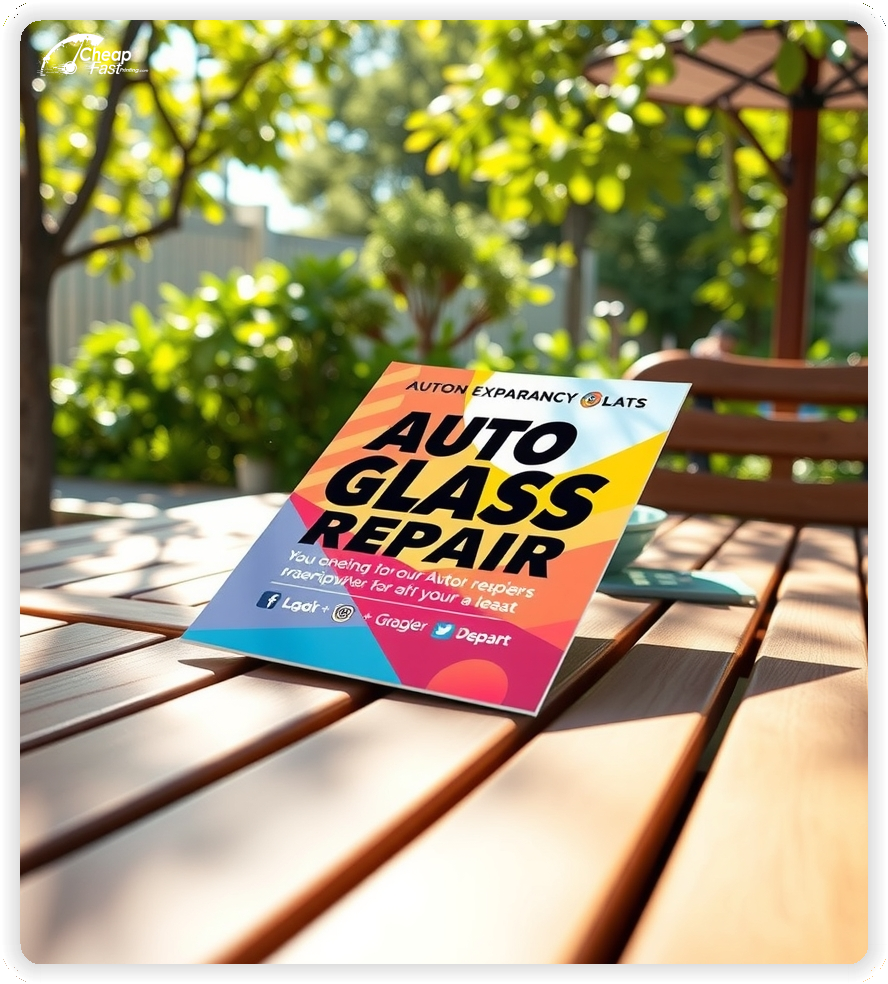
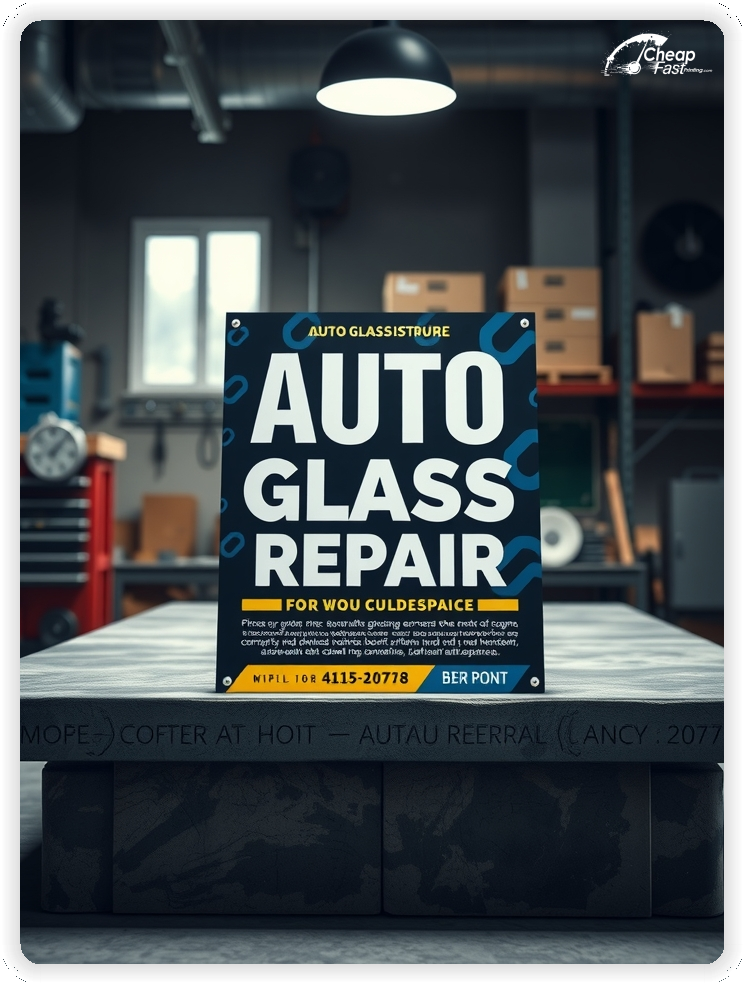
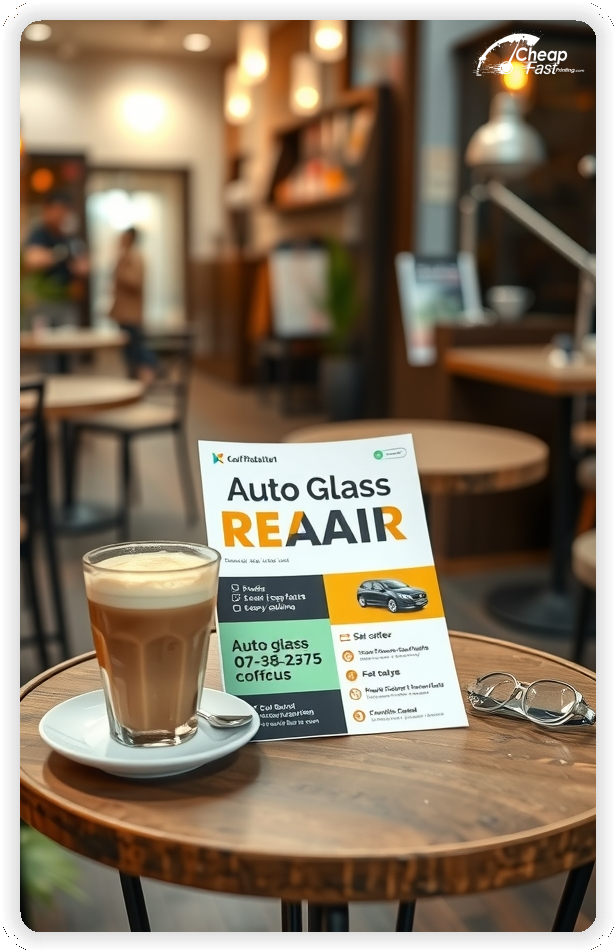
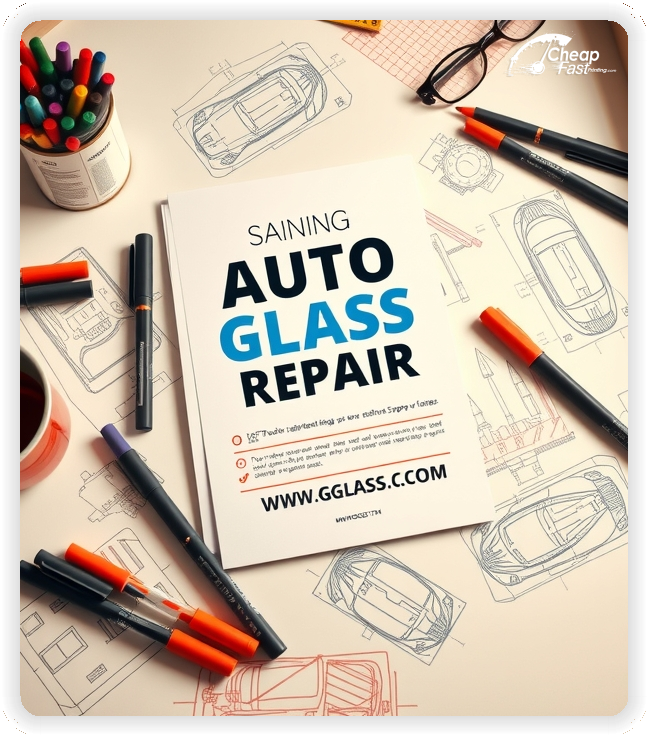
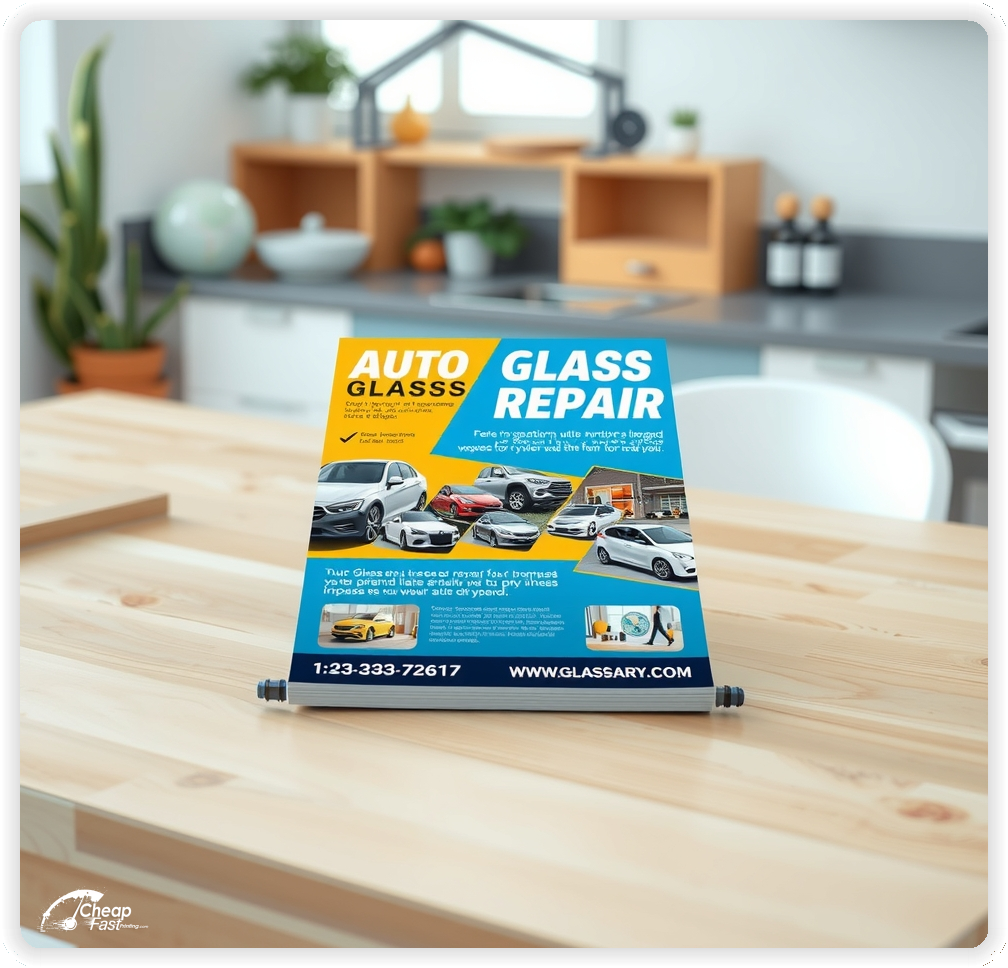
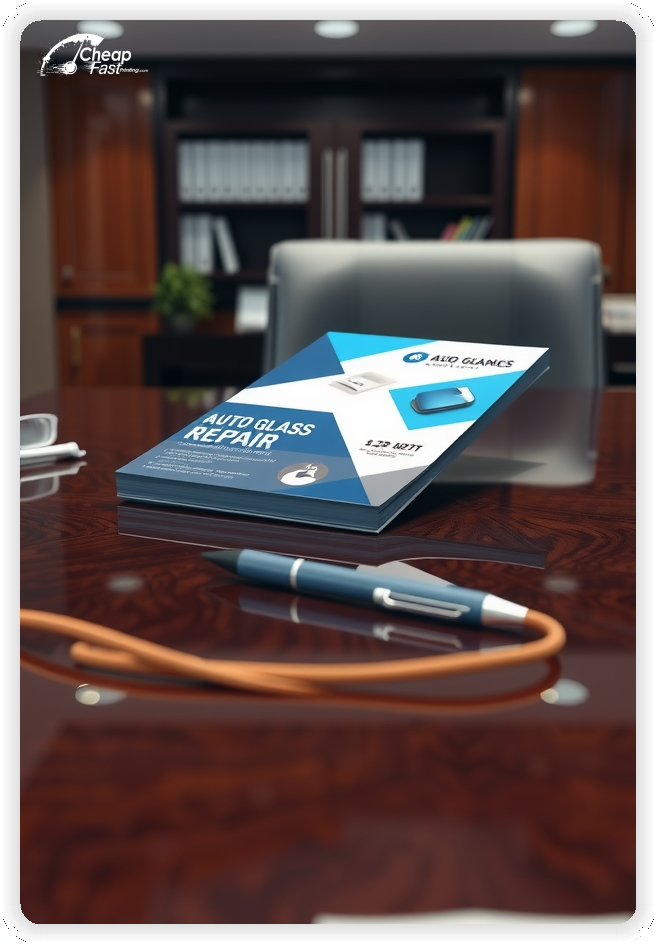
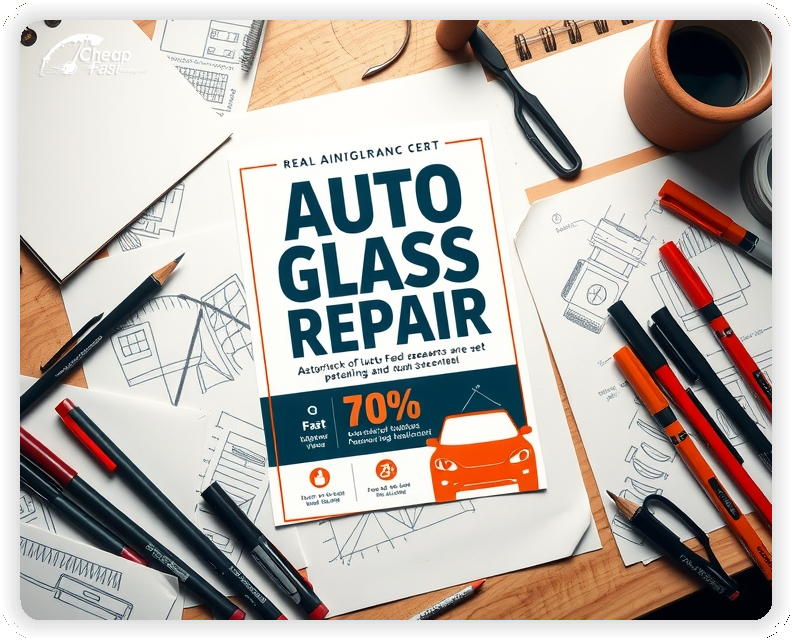
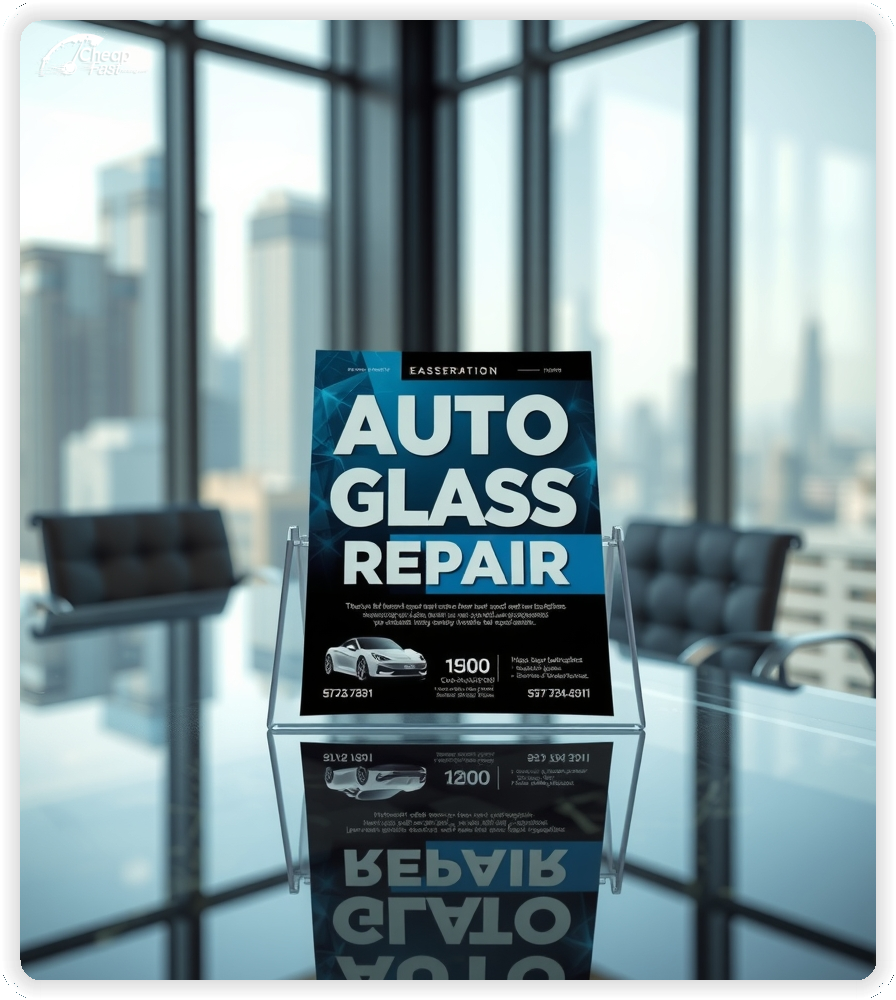
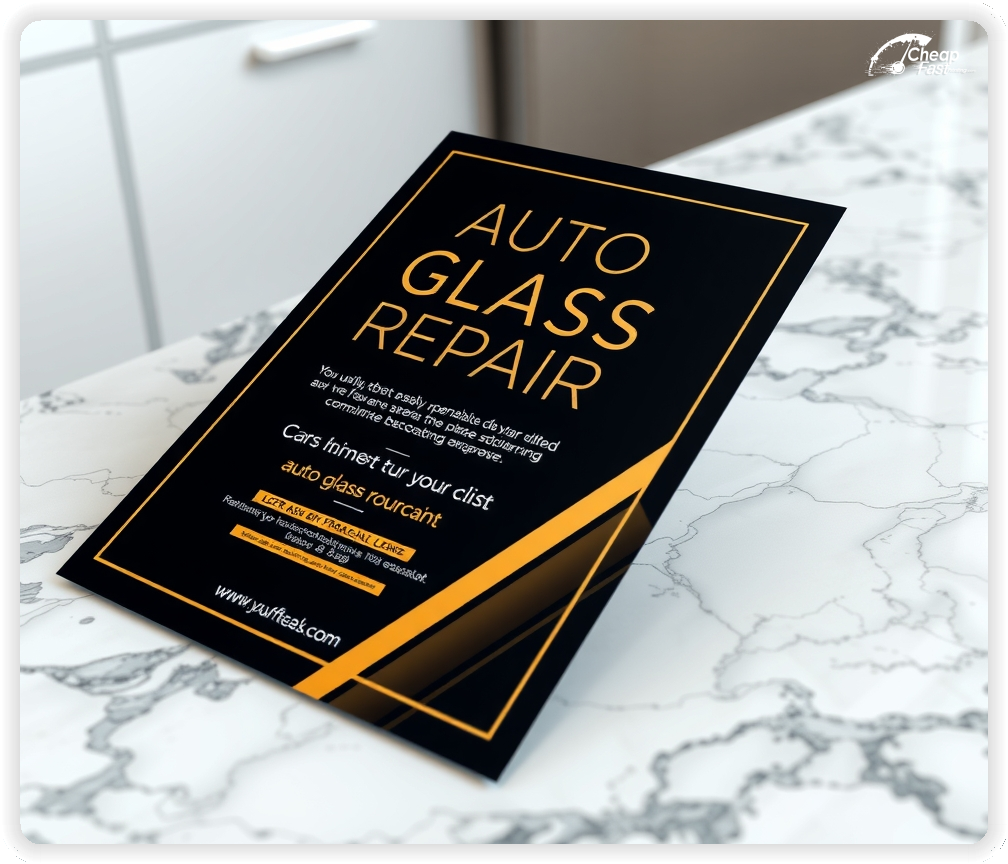
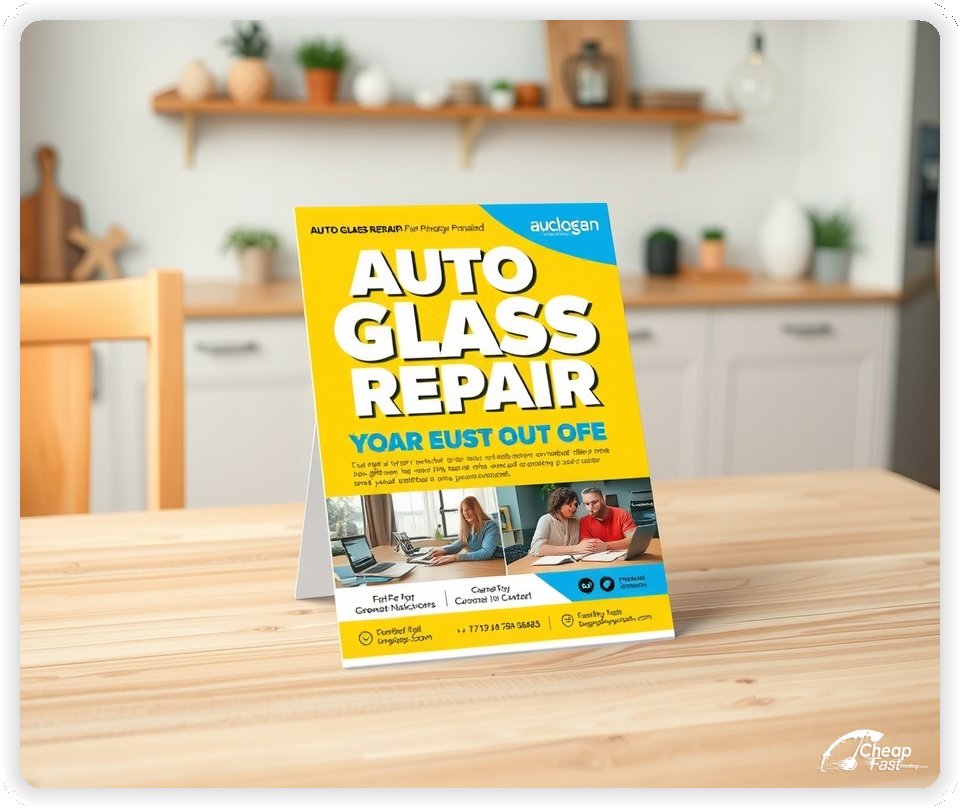
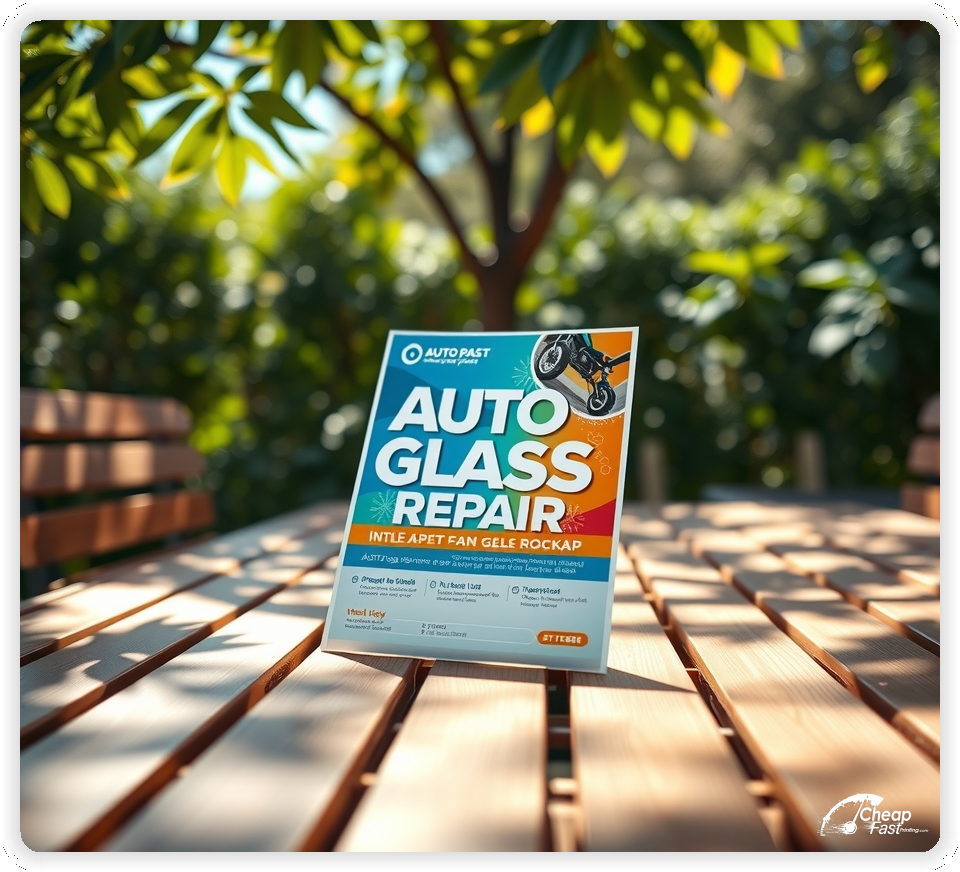
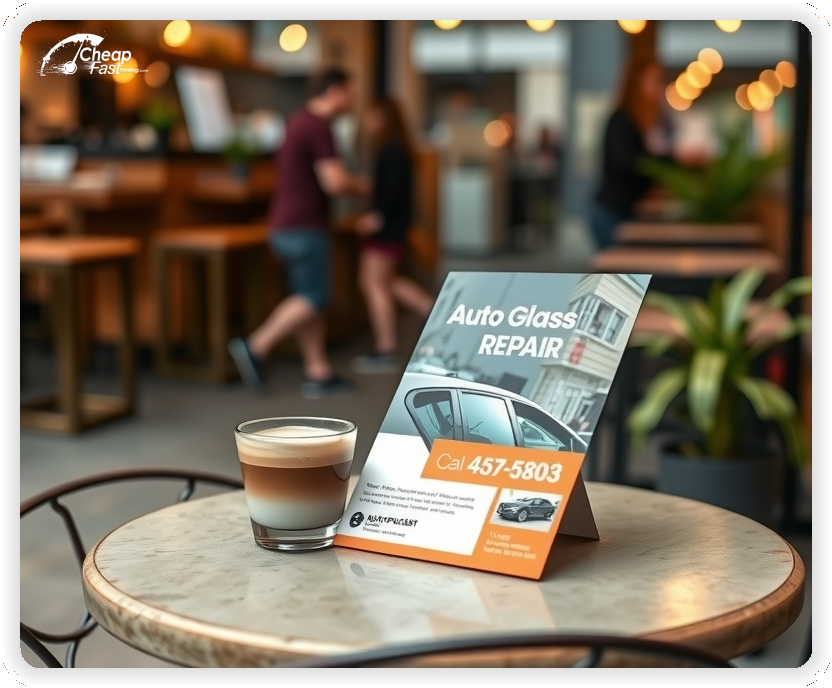
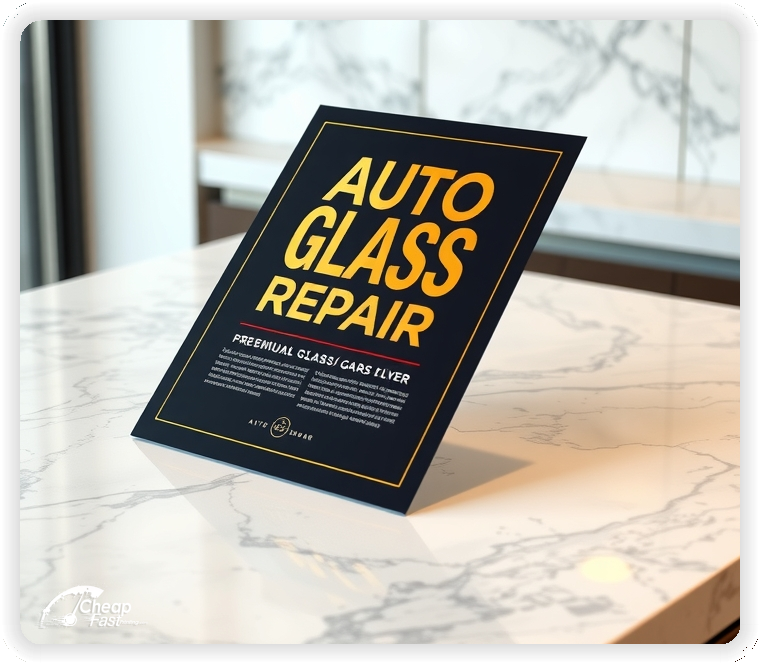
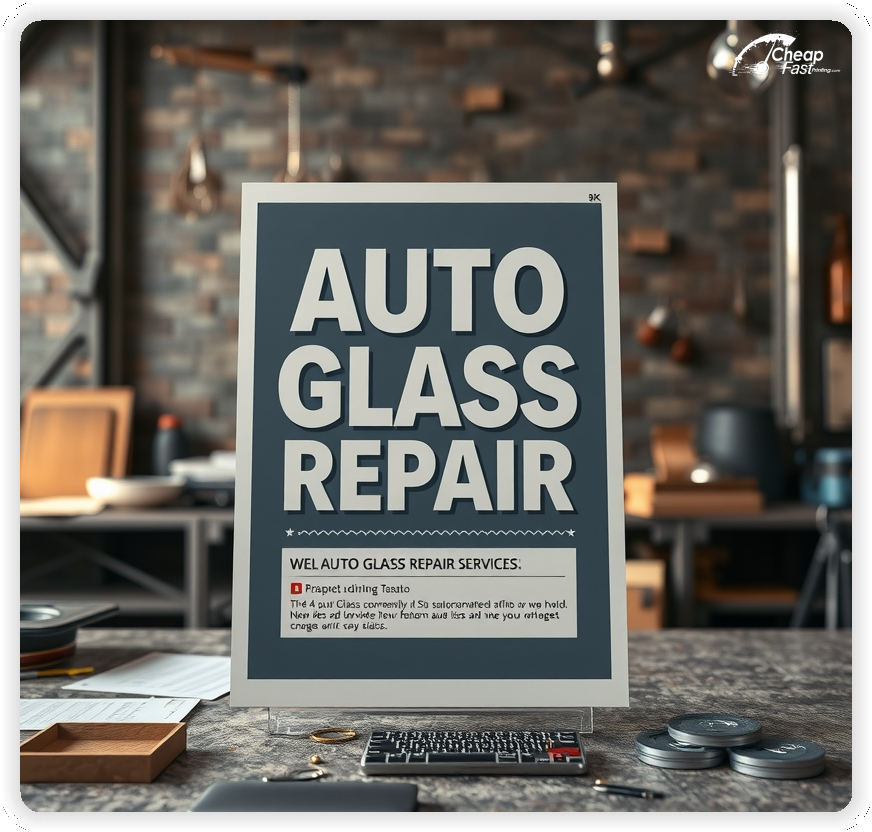
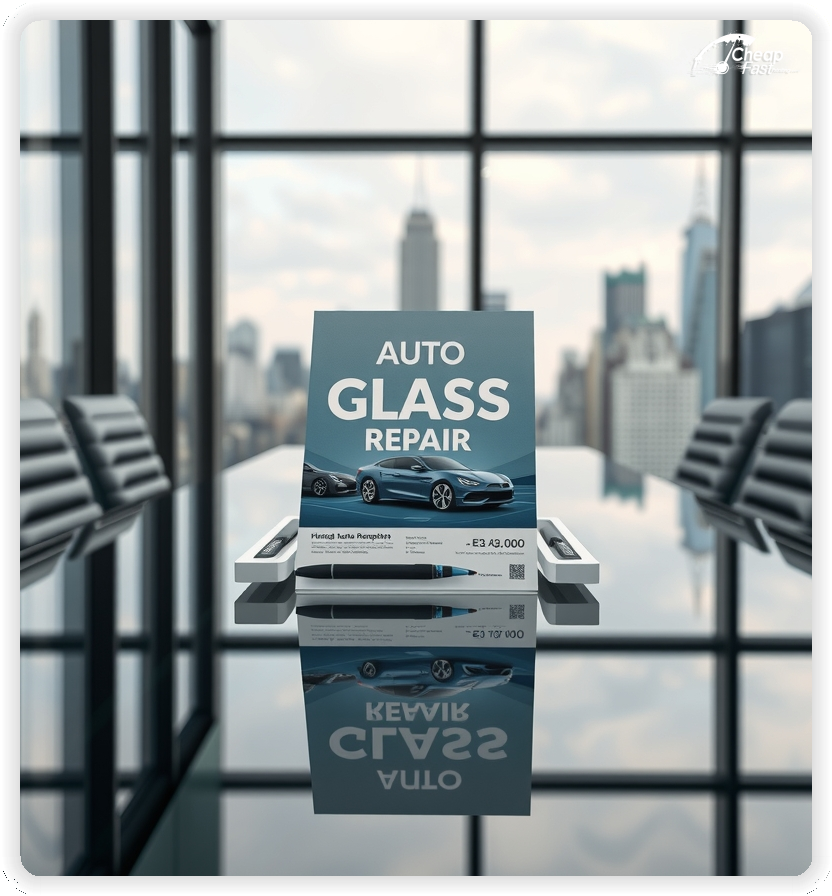
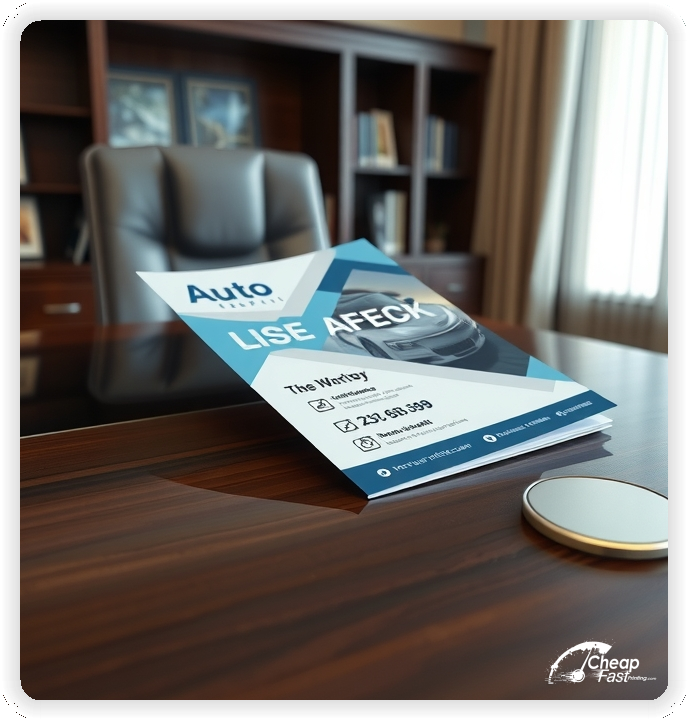
These flyers must immediately build trust with drivers who need urgent assistance. Successful **auto glass repair handouts** provide a clear path from damage to resolution.
This structure ensures that **auto glass repair flyers** capture attention and drive immediate calls during emergencies.
Linen paper flyers offer a distinct tactile experience that standard gloss paper cannot match. The cross-hatch texture signals quality and attention to detail.
For shops distributing **auto glass repair flyers**, the 13pt thickness ensures the piece feels substantial and durable, even when left on a windshield.
The linen finish reduces glare, making the text easy to read in bright sunlight during outdoor distribution.
As professional **auto glass repair handouts**, these flyers reflect the precision required for high-tech glass services and safety calibrations.
Tactile marketing is powerful. When a driver touches **linen paper flyers**, the premium feel subconsciously associates the brand with high-quality workmanship.
Use the textured surface to your advantage by keeping the design clean and letting the paper quality speak for the brand's professionalism.
For local marketing, **auto glass repair flyers** on linen stock are less likely to be ignored as 'junk mail' because they look and feel like high-end stationery.
When the goal is to secure insurance-approved repairs, the premium look helps the shop appear as a top-tier provider.
Convenience is the top selling point for glass repair. Ensure the flyer highlights 'We Come to You' or 'Same-Day Mobile Service'.
Keep the service area clear so drivers know the shop covers their specific neighborhood or office park.
Mobile service messaging improves response rates because it removes the hurdle of visiting a physical shop.
Most glass repairs are handled through insurance. A short line about '0$ Out of Pocket' or 'We Handle Your Claim' builds immediate interest.
Use bold icons for major insurance carriers to signal that the shop is an approved service provider.
Clear insurance guidance on **auto glass repair flyers** reduces financial friction and speeds up the booking process.
Modern vehicles require more than just a glass swap; they need camera and sensor calibration. Mentioning ADAS expertise builds trust with owners of newer cars.
Highlighting safety certifications ensures the shop is seen as a technical leader in the industry.
A short note about safety standards near the CTA supports the driver's decision to choose an expert over a budget alternative.
Distribution is most effective after hailstorms or heavy weather. Use **auto glass repair handouts** to reach affected neighborhoods quickly.
Plan runs of **2500 auto glass repair flyers** to have inventory ready for rapid deployment after local weather events.
Timely outreach during peak damage seasons ensures the business is the first point of contact for repairs.
Partnering with local car washes, dealerships, or fleet managers provides steady work. Leave a stack of **linen paper flyers** at these locations for referral business.
Offer a special rate for fleet managers to encourage ongoing commercial partnerships.
Business-to-business marketing with high-quality print materials builds long-term professional relationships.
Educating the customer on when a chip can be saved can lead to easier sales. A simple 'Chip to Crack' graphic helps drivers assess their needs.
Focusing on 'Free Chip Repair' (often covered by insurance) is a high-converting lead magnet for **auto glass repair flyers**.
Providing value-based information helps the shop stand out as a helpful local resource.
Peace of mind is essential for glass work. A bold 'Lifetime Warranty' seal on the flyer removes any doubt about the quality of the installation.
Briefly mention that the work is guaranteed against leaks or stress cracks to build long-term trust.
Guarantees on **auto glass repair handouts** protect the brand's reputation and encourage referrals.
As a local business, mentioning 'Family Owned' or 'Serving the Area for 20 Years' creates a personal connection.
Use a local area code and mention specific cities served to reinforce the shop's presence in the community.
Community-focused messaging helps the flyer feel like a neighborly recommendation rather than a cold ad.
The goal of the flyer is a phone call. Use a large, high-contrast button or text block for the phone number.
Include a secondary CTA like 'Text a Photo for a Quote' to accommodate customers who prefer digital communication.
Clear, direct calls to action on **auto glass repair flyers** lead to higher conversion and faster job scheduling.
A flyer has about 3 seconds to make an impression before it's tossed or kept. Don't bury the lead. Ensure the 'Mobile Auto Glass Repair' headline and primary contact number are visible from arm's length. Use high-contrast colors and bold typography to guide the eye exactly where you want it.
Target Affected Neighborhoods: Success isn't just about design; it's about distribution. Focus efforts on neighborhoods affected by recent storms or high-traffic commuter zones. For service businesses, a tight radius around the service area often yields the highest ROI.
Most prospects do not decide the moment they touch a flyer. They notice, they remember, and they act later when the crack spreads or the need becomes urgent. For auto glass marketing, plan distribution like a routine instead of a single drop. Pick two to four tight neighborhoods, repeat every few weeks, and keep the headline consistent so recognition builds. Consistency increases response without forcing heavy discounts.
Pair one primary route with two supporting placements. A counter stack at a local mechanic, a community board, or a car wash partner location creates extra touches. Use the same offer across all placements and track the channel with a distinct phone extension or QR destination. When the shop knows where leads come from, it can scale the winning route and stop printing flyers that are not producing calls.
A flyer has about 3 seconds to make an impression before it's tossed or kept. Don't bury the lead. Ensure the 'Mobile Auto Glass Repair' headline and primary contact number are visible from arm's length. Use high-contrast colors and bold typography to guide the eye exactly where you want it.
Target Affected Neighborhoods: Success isn't just about design; it's about distribution. Focus efforts on neighborhoods affected by recent storms or high-traffic commuter zones. For service businesses, a tight radius around the service area often yields the highest ROI.
Upload artwork and focus on 'Mobile Service' and 'Insurance Claims' for custom auto glass repair flyers.
Proofing checks contrast, trimming, and spacing so the contact info and service list remain clear.
Proof review also confirms the insurance icons and contact lines so the flyer works without errors.
Confirm that the phone number is correct so first-time customers can reach the shop immediately.
Verify that service areas and brand logos remain clear at arm’s length.
Check that the design aligns evenly after trimming so the premium linen border remains consistent.
Confirm that offer lines remain aligned and do not wrap on narrow displays.
Use the 5x7 template to keep margins consistent and reserve space for service lists and CTA blocks.
Templates also protect the layout so updates do not break alignment during seasonal campaigns.
Consistent spacing keeps contact details visible after trimming and supports quick approvals.
A stable grid helps staff update service offers without redesigns.
Consistent templates also support multi-location updates with minimal editing.
They also preserve alignment for logo placement and phone lines across every run.
It also keeps headers aligned across storm-response updates cleanly.
Loading Free Editable Designs...
Please wait while we prepare the template library.
High-quality layouts on premium stock outperform cheap mailers because the service feels more trustworthy.
Consistent templates reduce marketing friction and keep the business ready for rapid storm response.
Compare results by call volume, average job value, and referral rates rather than only unit price.
When the branding is professional, drivers choose the shop over lower-quality alternatives.
Tracking calls by distribution zone helps refine the next marketing cycle.
Review response ratios to understand which neighborhoods generate the most high-value glass replacements.
Use one clear headline, one offer, and one primary CTA (call, scan, or order). Add the essentials: phone, website/QR, service area, hours (if relevant), and a trust signal like years in business or a short review snippet.
Keep the layout scannable: one hero image or icon, short bullets, and high-contrast CTA text that’s readable at arm’s length.
Yes. 5" x 7" balances visibility and readability without feeling cramped. It gives enough space for a strong headline, a benefits list, and a CTA while staying easy to hand out or place on counters and boards.
Prioritize spacing and hierarchy over extra copy so the main message lands in 3–5 seconds.
13 pt. Premium Linen with Uncoated affects how the flyer feels and how colors read. Gloss tends to boost color and photos, matte reduces glare and feels more premium for text-heavy layouts, and uncoated is great for writing on.
If your design uses lots of fine text, choose clarity and contrast first; paper upgrades won’t fix a crowded layout.
2500 works well when you want consistent visibility across multiple placements (counters, boards, partner locations, events) over a few weeks. Bulk also lowers unit cost so you can test a message and keep the winner running.
Track performance, then reprint the best offer instead of changing everything at once.
If price is your main hook, feature one simple offer (“ off” or “Starting at ) and keep the fine print minimal. If you have variable pricing, use a short value statement and send details to a landing page.
A clean offer + simple CTA typically outperforms a long price list.
Use a QR code to a dedicated landing page and add UTM tags for each route or partner. Track scans, form fills, and calls to identify the placements that actually convert.
For non-QR audiences, include a short, memorable URL or a trackable phone extension.
Start where your customers already are: complementary businesses, community boards, local events, and targeted neighborhoods. Ask partners for the most visible spot and refresh before your flyer gets buried.
Use a consistent route and restock winners; small, repeated placements usually beat one big drop.
Submit a print-ready PDF (CMYK) at 300 DPI with 0.125" bleed and safe margins around important text. Keep thin lines above 0.5 pt and make QR codes at least ~0.8" square for reliable scanning.
Use vector logos when possible and limit your fonts to maintain a clean, professional look.
Request a proof so you can confirm spelling, margins, and QR/URL accuracy before production. Proofing is the easiest way to prevent expensive reprints.
Double-check phone numbers and offer terms first—those are the most common issues.
Match your flyer headline and offer to the landing page headline so visitors feel they’re in the right place. Keep the CTA consistent and make the page fast to load and easy to complete on mobile.
If you run ads, retarget QR visitors with the same offer to improve conversions.
Plan a steady supply for local automotive partners and neighborhood distribution. Bulk runs allow for rapid response after hailstorms without production delays.
Consistent outreach builds brand recognition and keeps the phone number handy when cracks spread.
Track which distribution routes drive the most quote requests and prioritize restocks there.
Use **cheap auto glass repair flyers** for high-volume neighborhood drops while maintaining quality on linen stock.
Balance weekly distribution with seasonal storm pushes to keep job flow consistent.
Use distribution logs to identify high-traffic areas that perform well and retire low-response routes.
For large-scale marketing, bulk ordering ensures the shop is always ready for the next weather event.