
Professionally designed for 4.25" x 11" flyers. Fully editable & free!
Preparing Templates…
Use a clear, clinical tone that explains services, how to schedule, and the next step. The slim 4.25x11 format fits at front desks, check‑in stations, and partner counters.
Place the main offer near the scheduling path and keep copy short. Custom medical clinic flyers work best when they mirror a front‑desk conversation: service focus, availability, and one action.
Lead with the service lines patients ask for most, not marketing slogans. Use simple headings, avoid exaggeration, and keep one scheduling path visible.
Use direct language, clear contrast, and patient‑friendly reading level. The goal is accuracy and confidence.
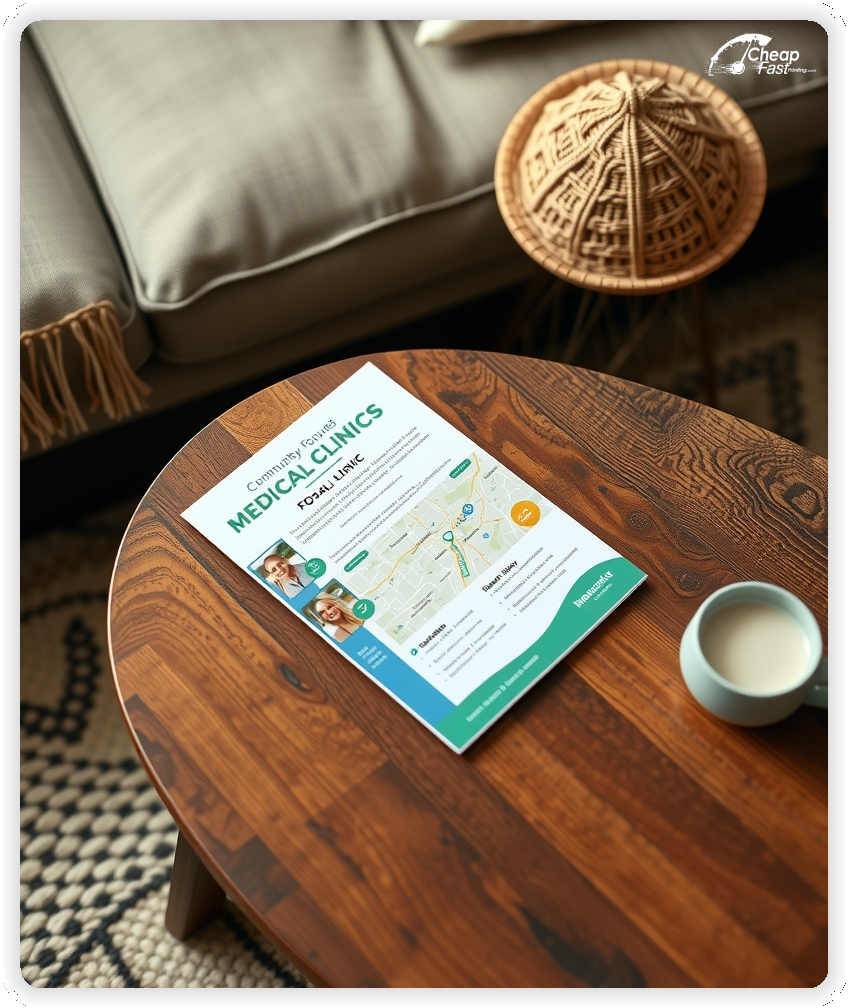
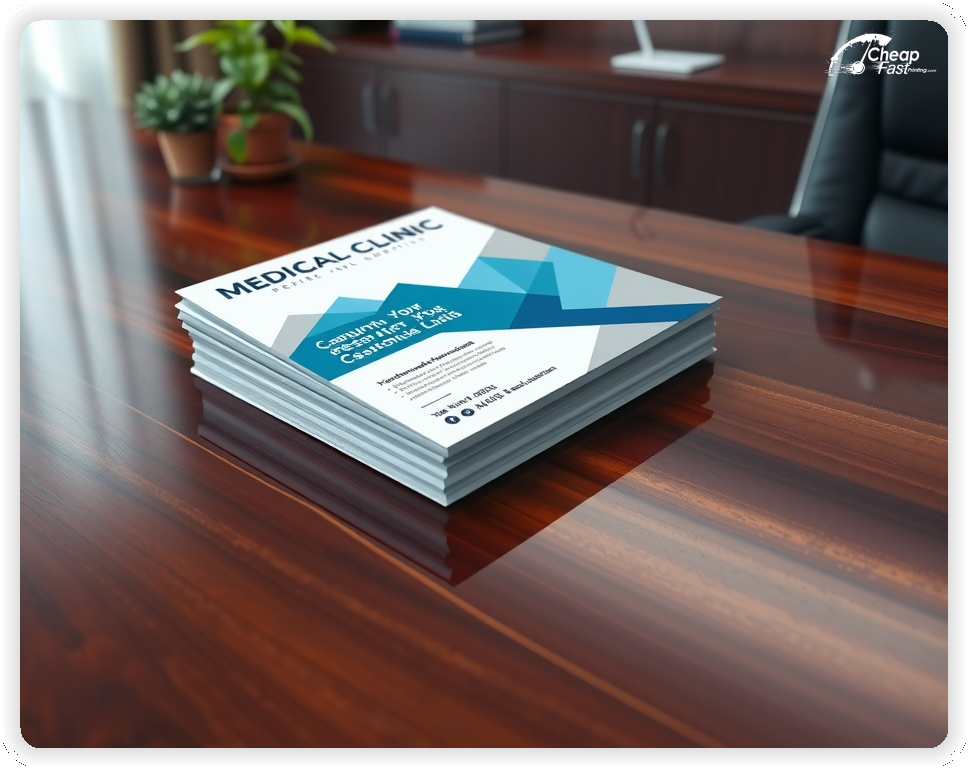


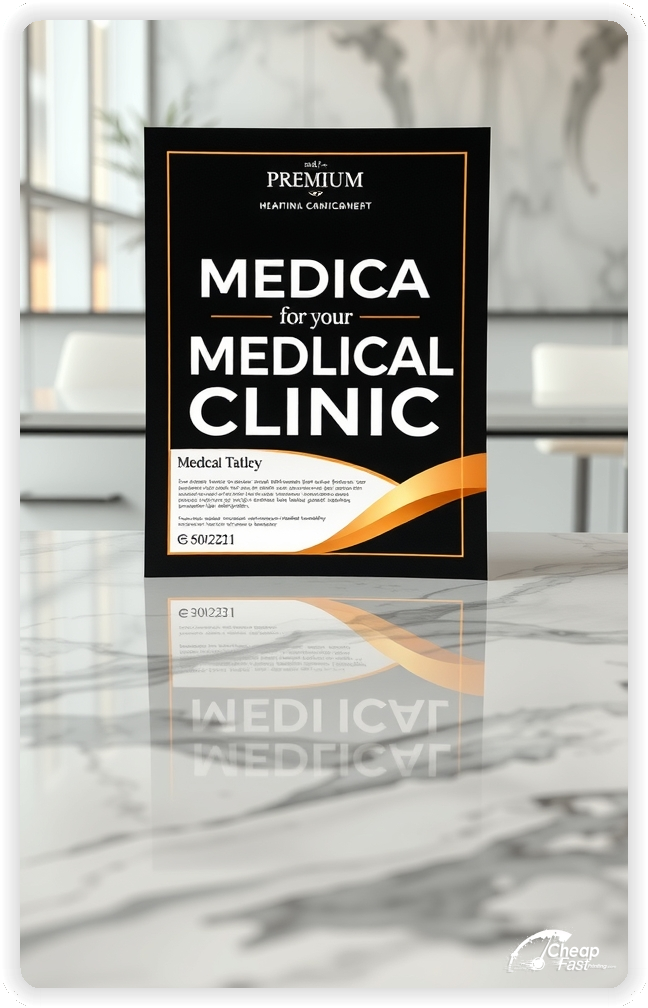
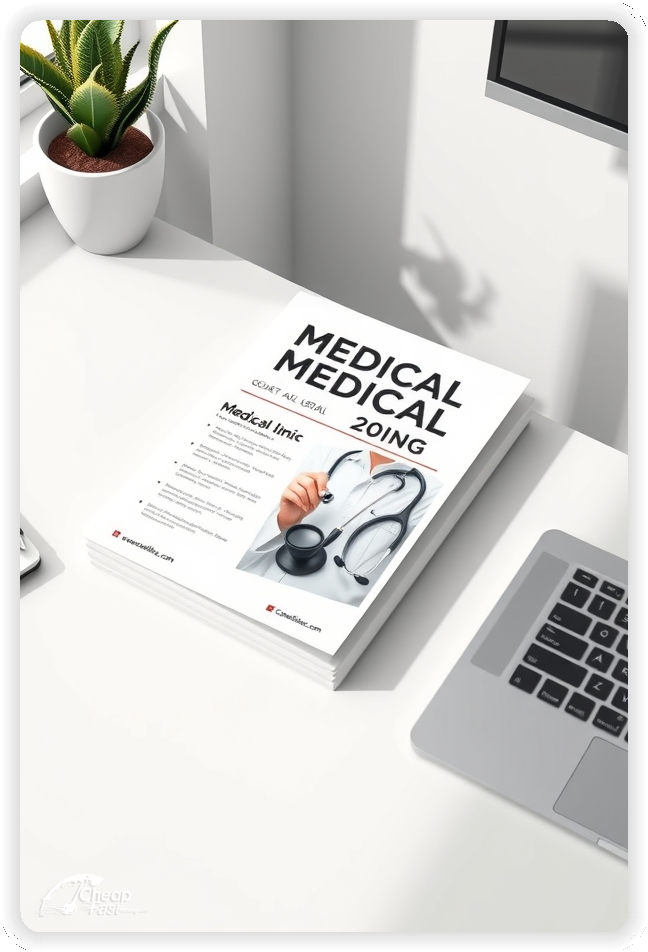


Keep the message clinical and direct. Patients respond to clear services, availability, and one CTA.
4.25x11 medical clinic flyers fit neatly in desk racks and discharge packets. The slim layout keeps headings short and directions visible.
Use a single column with clear dividers so readers find services and the scheduling path fast.
Glossy paper flyers protect small type and clinical icons, keeping copy legible at arm’s length. The finish resists handling at front desks and partner locations.
Use high‑contrast panels for phone and QR so the action stands out.
Lead with the service type and an intake option (same‑day, next‑day, or telehealth). Keep the offer line short and move details to the site.
Use verbs and avoid promotional adjectives; accuracy builds trust faster than hype.
Place one path to schedule: phone, QR, or front desk. Use a short CTA near hours and location.
These medical clinic handouts should feel like guidance, not advertising.
Use front desk stacks, discharge packets, pharmacies, and employer partners. Refresh weekly where traffic is steady.
A run of 1000 medical clinic flyers covers desks and partners without overstock.
Scale routes with bulk medical clinic flyers when multiple locations share the same template.
Keep copy factual. Avoid PHI in visible text. Place pieces where directions are helpful: check‑in, wayfinding, and counters.
Link QR to a secure scheduling or intake page.
Use medical icons and clean photography. Reserve color accents for headings and the CTA.
High‑contrast ink on 100lb gloss book maintains clinical readability.
Use the 4.25x11 template to preserve safe margins and consistent CTA placement. Keep logo and contact blocks in fixed positions for faster reorders.
Assign a unique QR or short URL per route. Track calls and online bookings by placement to refine the next print run.
Evaluate by scheduled appointments and completed intakes, not only print cost. Patient‑friendly layouts outperform crowded pieces.
Match flyer headings to the site so patients recognize the same service names. Alignment reduces confusion and improves conversion.
Keep three visible steps: service, availability, and one CTA. Reduce copy; increase clarity.
Use unique QR per placement and a short URL fallback to measure real response.
Upload artwork for custom medical clinic flyers that keep one clear path to book.
We check contrast, trimming, and spacing so directions and the CTA remain visible.
Proof review verifies the QR destination and phone lines so the handout works without errors.
Use the 4.25x11 template to keep margins consistent and reserve space for services, hours, and CTA blocks.
Stable grids help staff update copy without redesigns and make reorders faster.

Loading Free Editable Designs...
Please wait while we prepare the template library.
Focused structure performs better because directions are easy to follow. Consistent templates reduce design time and keep copy aligned.
Track bookings, completed intake forms, and call volume by placement rather than only print cost.
Use one clear headline, one offer, and one primary CTA (call, scan, or order). Add the essentials: phone, website/QR, service area, hours (if relevant), and a trust signal like years in business or a short review snippet.
Keep the layout scannable: one hero image or icon, short bullets, and high-contrast CTA text that’s readable at arm’s length.
Yes. 4.25" x 11" balances visibility and readability without feeling cramped. It gives enough space for a strong headline, a benefits list, and a CTA while staying easy to hand out or place on counters and boards.
Prioritize spacing and hierarchy over extra copy so the main message lands in 3–5 seconds.
100 lb. Gloss Book with Gloss affects how the flyer feels and how colors read. Gloss tends to boost color and photos, matte reduces glare and feels more premium for text-heavy layouts, and uncoated is great for writing on.
If your design uses lots of fine text, choose clarity and contrast first; paper upgrades won’t fix a crowded layout.
1000 works well when you want consistent visibility across multiple placements (counters, boards, partner locations, events) over a few weeks. Bulk also lowers unit cost so you can test a message and keep the winner running.
Track performance, then reprint the best offer instead of changing everything at once.
If price is your main hook, feature one simple offer (“ off” or “Starting at ) and keep the fine print minimal. If you have variable pricing, use a short value statement and send details to a landing page.
A clean offer + simple CTA typically outperforms a long price list.
Use a QR code to a dedicated landing page and add UTM tags for each route or partner. Track scans, form fills, and calls to identify the placements that actually convert.
For non-QR audiences, include a short, memorable URL or a trackable phone extension.
Start where your customers already are: complementary businesses, community boards, local events, and targeted neighborhoods. Ask partners for the most visible spot and refresh before your flyer gets buried.
Use a consistent route and restock winners; small, repeated placements usually beat one big drop.
Submit a print-ready PDF (CMYK) at 300 DPI with 0.125" bleed and safe margins around important text. Keep thin lines above 0.5 pt and make QR codes at least ~0.8" square for reliable scanning.
Use vector logos when possible and limit your fonts to maintain a clean, professional look.
Request a proof so you can confirm spelling, margins, and QR/URL accuracy before production. Proofing is the easiest way to prevent expensive reprints.
Double-check phone numbers and offer terms first—those are the most common issues.
Match your flyer headline and offer to the landing page headline so visitors feel they’re in the right place. Keep the CTA consistent and make the page fast to load and easy to complete on mobile.
If you run ads, retarget QR visitors with the same offer to improve conversions.
Plan steady supply for front desks, discharge packets, and partner counters. Use top‑up runs to match seasonal changes.
Scale routes with cheap medical clinic flyers to keep budgets controlled while coverage stays consistent.