Professionally designed for 4" x 6" flyers. Fully editable & free!
Preparing Templates…
Patients choose providers quickly when the message is clear. The best dermatology flyers explain one service focus, one next step, and one reason to trust your clinic.
Use a simple offer, a short list of treatments, and an easy booking action. For time-sensitive campaigns, rapid dermatology flyers help you promote seasonal skin checks, acne consults, or cosmetic services without missing the moment.
Keep your copy professional and patient-friendly. These custom dermatology flyers are built for local outreach, partner placements, and repeat runs that keep your schedule full.
When you need quick reach beyond digital ads, targeted dermatology handouts can be an efficient part of your dermatology marketing materials mix.
Lead with one message per flyer. A single focus like skin checks, acne care, or cosmetic consults converts better than a long service list.
Keep language clear and avoid over-promises. Use simple benefits like convenience, experience, and easy booking. Add a short trust signal such as board-certified, years in practice, or verified reviews.
For consistent dermatology marketing materials, match the flyer headline to your booking page headline so patients feel confident they are in the right place.

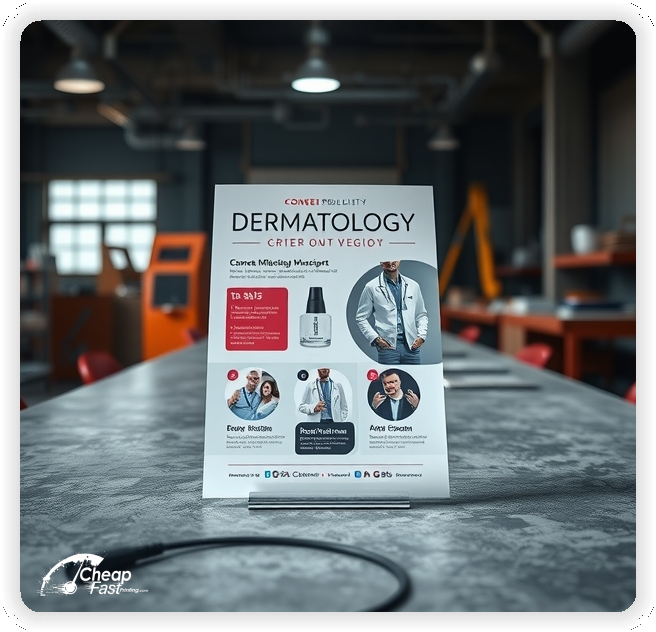
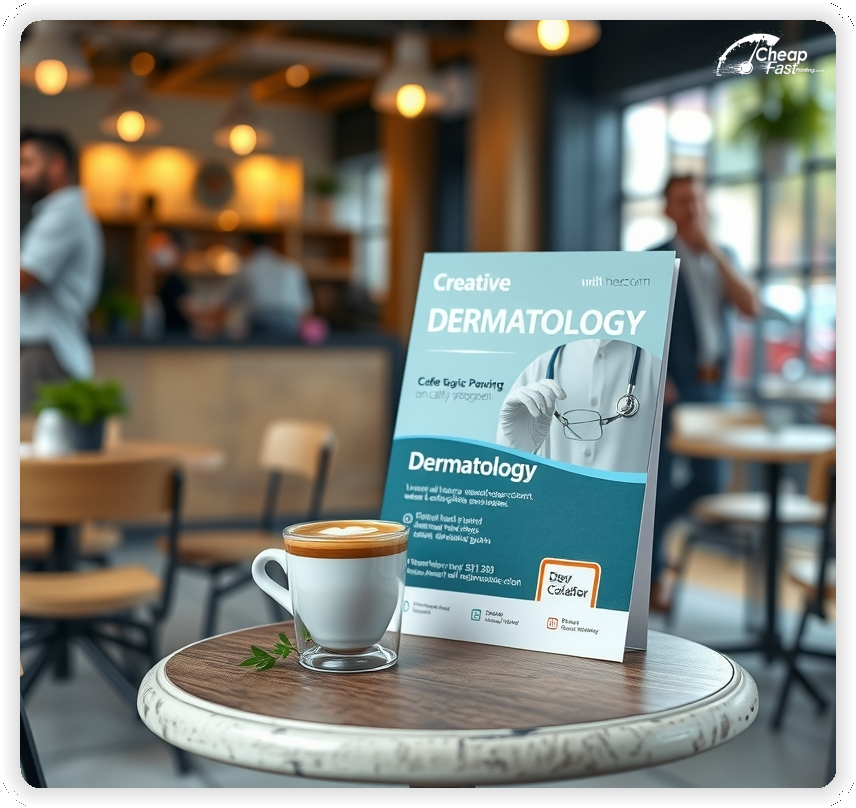
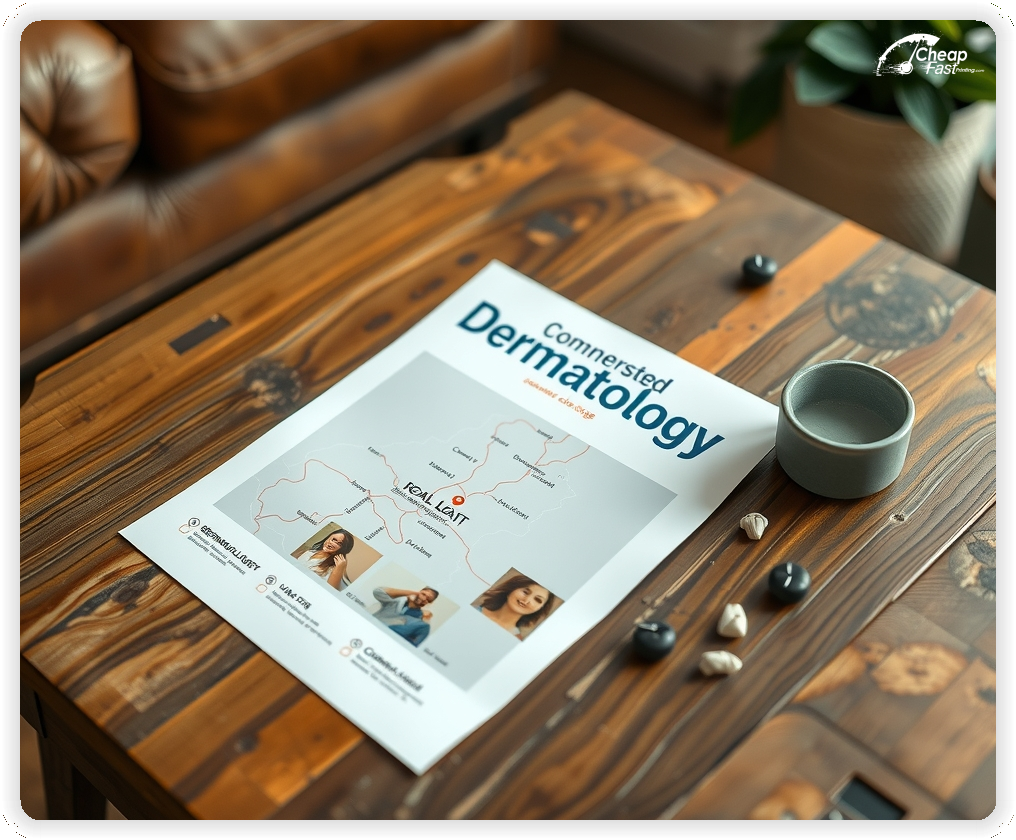
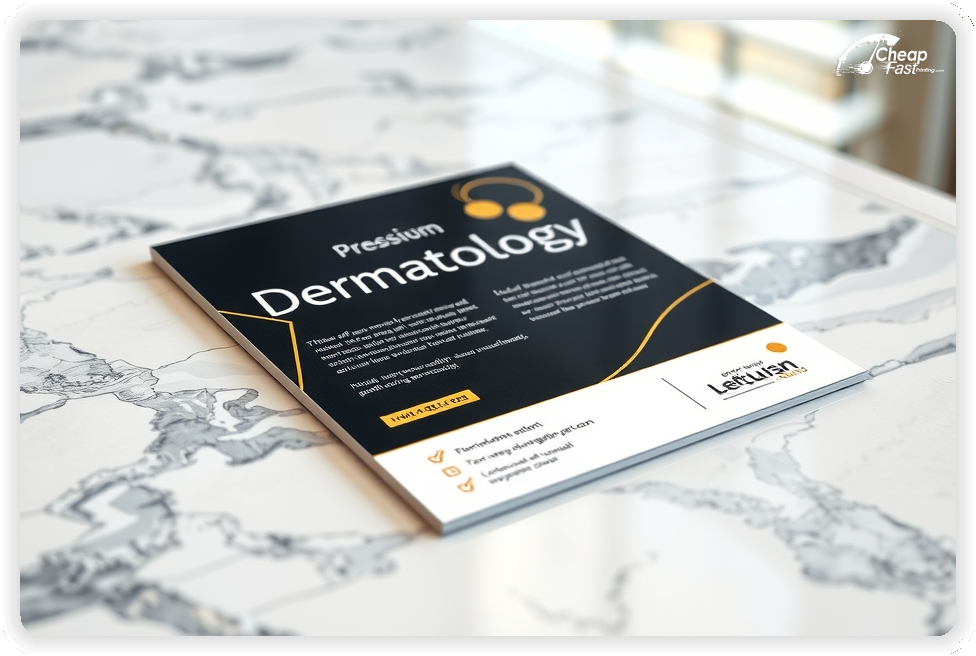
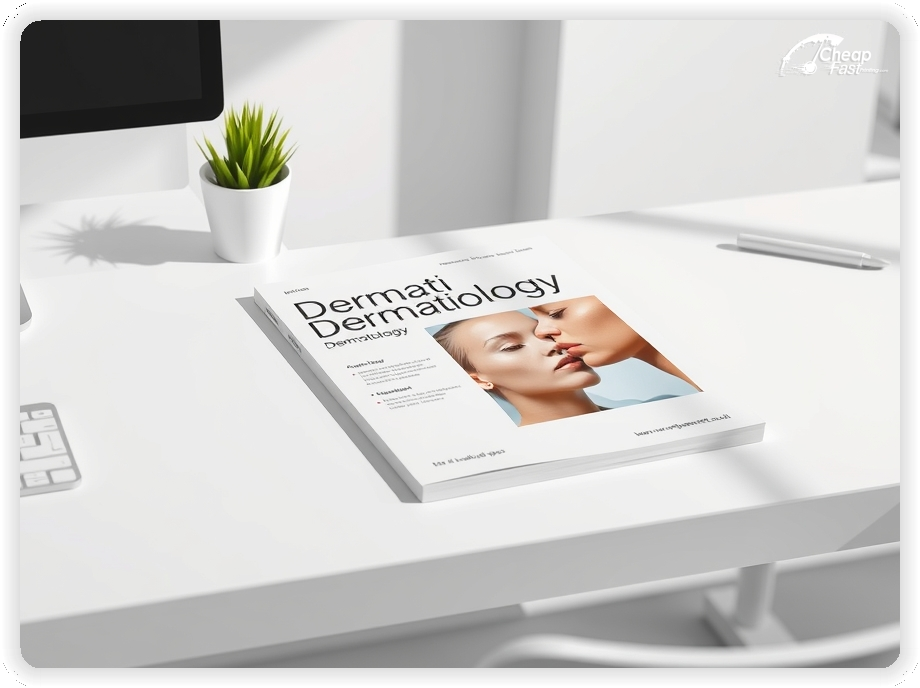
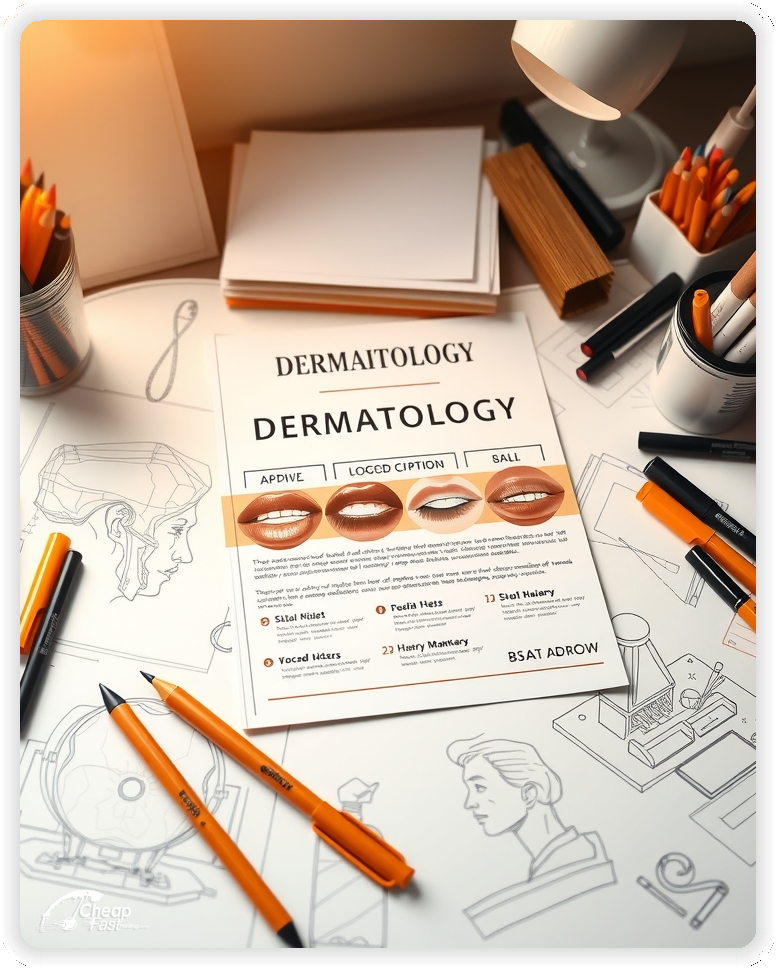

Great dermatology flyers printing focuses on clarity and trust. Patients skim fast, so the layout should answer the first questions in seconds.
This structure works for lobby stacks, partner placement, and neighborhood outreach.
4x6 dermatology flyers are compact, easy to hand out, and perfect for front-desk stacks, referral packs, and partner counters.
Keep the front focused on the headline and CTA. Use the back for a short service list and a small trust section with hours, location, and booking options.
When you need a quick run, 4x6 keeps distribution fast and consistent.
Matte paper flyers reduce glare under bright clinic lighting and keep small text readable on counters and boards.
If you use before-and-after imagery, keep contrast controlled and avoid busy backgrounds so the CTA stays easy to find.
For any finish, prioritize scannability: larger phone numbers, clear QR placement, and simple type.
Use offers that reduce hesitation while keeping your brand professional. Examples include a new patient consult, skin cancer screening reminders, or seasonal skincare checks.
Good offers: “New patient consult,” “Annual skin check reminder,” “Acne consultation,” “Cosmetic consult.”
Keep the offer line short and place details on your booking page so the flyer stays clean.
Patients scan quickly, so group services by category and keep each list short.
Skin checks, eczema, acne, psoriasis, and mole evaluation.
Consults, injectables, laser treatments, and skin rejuvenation.
Clear grouping keeps the piece readable and supports better calls.
Keep trust language simple and factual. One line is enough: board-certified, experienced team, verified reviews, or modern equipment.
Use patient-friendly phrasing and avoid long blocks of credentials. The goal is confidence without clutter.
Keep your CTA focused on booking, not sensitive details. A simple estimate or appointment request form can collect only what you need to schedule.
Use a calm, professional tone that matches your site and office experience.
Use partner placement where your audience already visits. Strong spots include pharmacies, salons, gyms, wellness clinics, and local businesses with community boards.
For best results, use a consistent headline and repeat placements on a schedule.
QR works best when it leads to one action: book an appointment or request a consult.
Fast booking improves response and reduces missed calls.
Plan campaigns around predictable spikes: spring and summer sun exposure, back-to-school routines, and end-of-year benefits windows.
For fast-moving opportunities, rapid dermatology flyers help you keep outreach timely without long lead times.
If you are testing a new offer, start with 100 dermatology flyers and measure calls or bookings for 7–10 days.
When the offer works, scale into repeat runs and keep the headline stable so recognition builds.
Flyers perform best with frequency. Bulk dermatology flyers let you repeat the same neighborhoods and partner placements so patients see you more than once.
Keep the same design for multiple runs and rotate only seasonal callouts as needed.
Start with a tight local radius and repeat it. Consistency increases response and improves brand recall.
Front-desk packs: include referral inserts for partner clinics.
Partner stacks: pharmacies, salons, gyms, wellness offices.
Tracking: use a unique QR per channel so performance is measurable.
Match the flyer headline and offer to your landing page headline so patients do not second-guess the click.
Keep the same colors, logo placement, and CTA wording across your dermatology marketing materials for stronger recognition.
Your flyer has about 3 seconds to earn attention. Make the headline and offer readable from arm’s length, then let the CTA do the work.
Design rule: one headline, one offer, one CTA. Everything else supports those three.
Distribution rule: repeat the same placements before expanding.
Multiple offers confuse fast readers. Use one headline, one offer, and one next step: call, text, or scan to book.
Keep the landing page short so patients can schedule quickly on mobile.
Repeat the same partner placements and local routes before expanding. Frequency builds recognition, improves response, and makes your outreach more predictable.
Upload your artwork for dermatology flyers, or send your services and offer and we will help format a clean, professional layout.
Proofing checks the details that impact response and avoids reprints.
For healthcare marketing, a clean, accurate flyer protects trust and improves call quality.
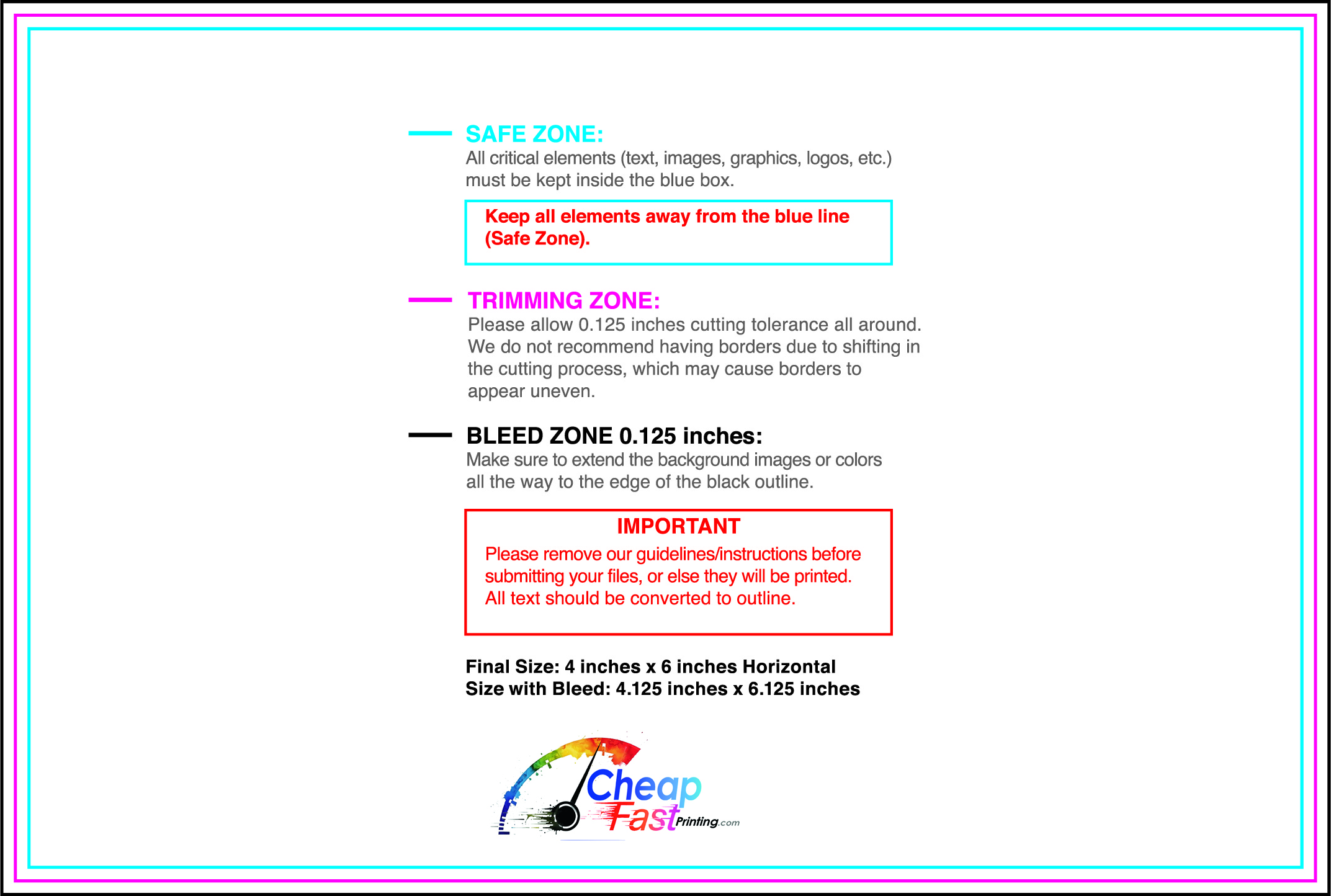
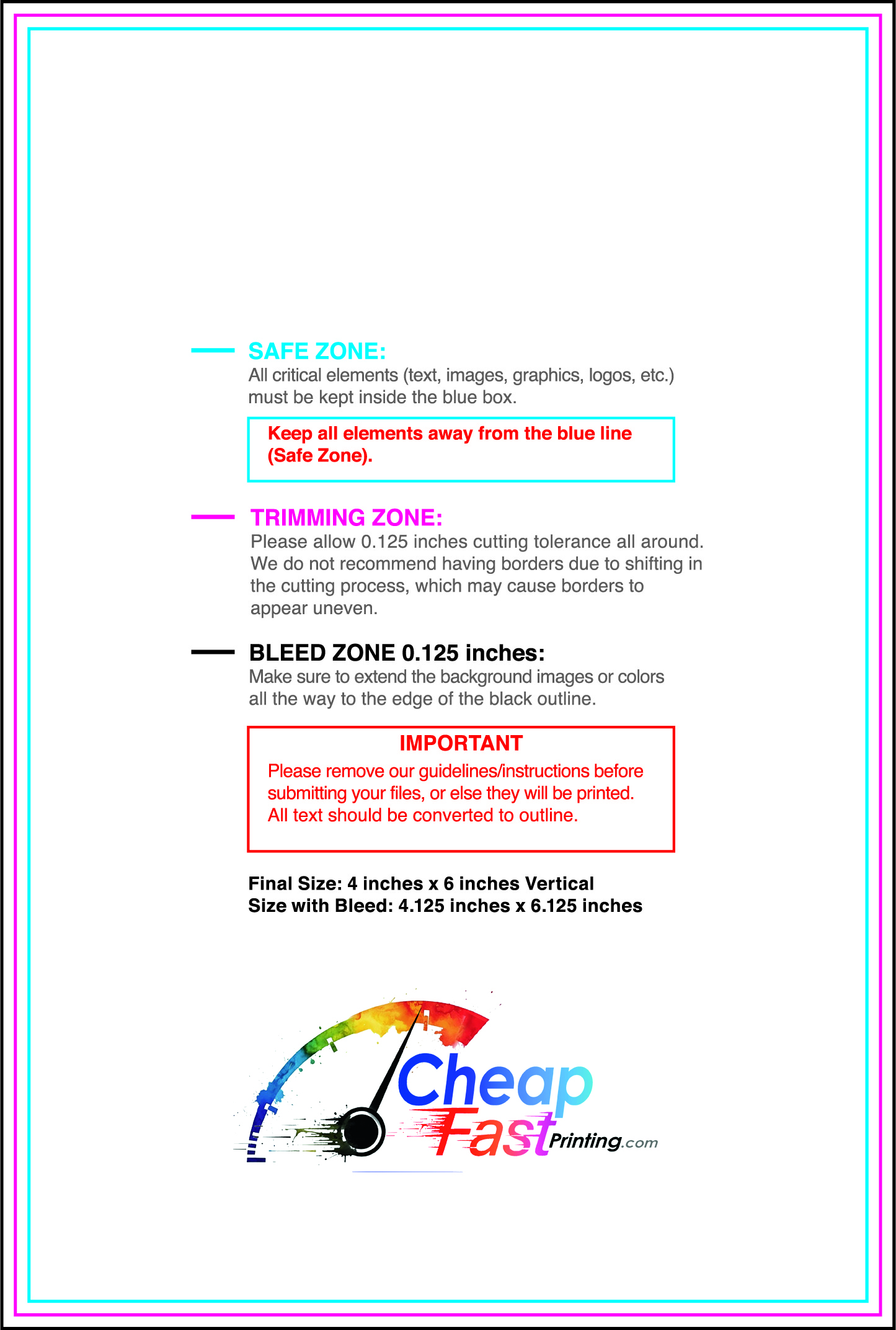
Use templates to keep bleed, safe zones, and margins correct so phone numbers and QR codes never get trimmed.
Templates also help you reuse the same layout across campaigns while rotating only the offer line.
Consistency improves recognition and makes repeat runs faster.
Loading Free Editable Designs...
Please wait while we prepare the template library.
The cheapest flyer is not the best value if it does not generate booked appointments. Compare by calls, consult requests, and show rates.
Track performance by channel and repeat the best placements.
When your design stays consistent, you can improve results without constant redesign.
Use one clear headline, one offer, and one primary CTA (call, scan, or order). Add the essentials: phone, website/QR, service area, hours (if relevant), and a trust signal like years in business or a short review snippet.
Keep the layout scannable: one hero image or icon, short bullets, and high-contrast CTA text that’s readable at arm’s length.
Yes. 4" x 6" balances visibility and readability without feeling cramped. It gives enough space for a strong headline, a benefits list, and a CTA while staying easy to hand out or place on counters and boards.
Prioritize spacing and hierarchy over extra copy so the main message lands in 3–5 seconds.
100 lb. Matte Cover with Matte affects how the flyer feels and how colors read. Gloss tends to boost color and photos, matte reduces glare and feels more premium for text-heavy layouts, and uncoated is great for writing on.
If your design uses lots of fine text, choose clarity and contrast first; paper upgrades won’t fix a crowded layout.
100 works well when you want consistent visibility across multiple placements (counters, boards, partner locations, events) over a few weeks. Bulk also lowers unit cost so you can test a message and keep the winner running.
Track performance, then reprint the best offer instead of changing everything at once.
If price is your main hook, feature one simple offer (“ off” or “Starting at ) and keep the fine print minimal. If you have variable pricing, use a short value statement and send details to a landing page.
A clean offer + simple CTA typically outperforms a long price list.
Use a QR code to a dedicated landing page and add UTM tags for each route or partner. Track scans, form fills, and calls to identify the placements that actually convert.
For non-QR audiences, include a short, memorable URL or a trackable phone extension.
Start where your customers already are: complementary businesses, community boards, local events, and targeted neighborhoods. Ask partners for the most visible spot and refresh before your flyer gets buried.
Use a consistent route and restock winners; small, repeated placements usually beat one big drop.
Submit a print-ready PDF (CMYK) at 300 DPI with 0.125" bleed and safe margins around important text. Keep thin lines above 0.5 pt and make QR codes at least ~0.8" square for reliable scanning.
Use vector logos when possible and limit your fonts to maintain a clean, professional look.
Request a proof so you can confirm spelling, margins, and QR/URL accuracy before production. Proofing is the easiest way to prevent expensive reprints.
Double-check phone numbers and offer terms first—those are the most common issues.
Match your flyer headline and offer to the landing page headline so visitors feel they’re in the right place. Keep the CTA consistent and make the page fast to load and easy to complete on mobile.
If you run ads, retarget QR visitors with the same offer to improve conversions.
Start with a small run to validate your offer and placement, then scale into bulk for frequency.
If you are testing a new message, begin with 100 dermatology flyers and measure bookings for 7–10 days.
When the offer works, scale with bulk dermatology flyers and repeat the same placements so local awareness builds.
Keep the layout stable and rotate only seasonal callouts so patients recognize your brand.