


- Treat document printing services what to check first as a spec-and-approval decision, not just a price lookup.
- Use a reviewed PDF and one clear owner to reduce rework on document printing services what to check first.
- Match shipping speed to the real in-hands date so document printing workflows jobs do not absorb unnecessary rush cost.
- Ask for line-item clarity on quantity, stock, sides, finishing, and timing before you compare quotes.
- Use the FAQ and checklist sections as a repeatable playbook for the next order.
For document printing services what to check first, the cleanest orders happen when you define the audience, final use, deadline, and handoff format before you ask anyone to quote or print.
You are here because details matter: a small assumption error can turn into a large rework story. We keep the tone expert and direct, with checkpoints you can reuse on future orders.
If the job has sections, covers, inserts, or appendices, spell that out in the handoff instead of assuming support will infer it from the PDF thumbnails.

Where the workflow usually breaks for document printing services what to check first
Most workflow failures on document printing services what to check first begin before production: no single owner, no final PDF, unclear page ranges, or a quote request missing the actual in-hands date.
Most workflow problems begin before production: no final approved file, unclear page order, conflicting edits, or shipping details that arrive too late to quote accurately.
Use file names that make the final version obvious. A short naming rule is better than a complicated naming policy that nobody follows under deadline pressure.
Freeze the file before pricing if the deadline is tight. Reopening the file after quoting is one of the fastest ways to create confusion and avoidable delays.

Recommended workflow for document printing services what to check first
A clean workflow for document printing services what to check first is simple: stabilize the file, write the spec list once, attach the final PDF, and confirm who approves the job before production starts.
Archive the approved version and the order notes when the job is done. The next order should start from the winning spec, not from memory.
A clean workflow keeps everything in one place: the approved PDF, the written spec list, the deadline, and the person who can sign off on changes.
If the job has sections, covers, inserts, or appendices, spell that out in the handoff instead of assuming support will infer it from the PDF thumbnails.
What to send in one complete handoff for document printing services what to check first
A strong handoff for document printing services what to check first should let support quote and route the job without guessing. That means one approved file set, clear naming, full specs, and realistic delivery timing.
Most workflow problems begin before production: no final approved file, unclear page order, conflicting edits, or shipping details that arrive too late to quote accurately.
Use file names that make the final version obvious. A short naming rule is better than a complicated naming policy that nobody follows under deadline pressure.
Freeze the file before pricing if the deadline is tight. Reopening the file after quoting is one of the fastest ways to create confusion and avoidable delays.
Color share planner
Model how color percentage changes a rough print subtotal for planning.
Planning anchors and timing notes for document printing services what to check first
Internal pricing and shipping references are most useful here as planning anchors, not promises: document jobs often stay efficient on ground service when files are frozen early and packets do not need premium finishing.
Archive the approved version and the order notes when the job is done. The next order should start from the winning spec, not from memory.
A clean workflow keeps everything in one place: the approved PDF, the written spec list, the deadline, and the person who can sign off on changes.
If the job has sections, covers, inserts, or appendices, spell that out in the handoff instead of assuming support will infer it from the PDF thumbnails.
Recommended setup matrix
| Decision area | Recommended default | When to upgrade | Main caution |
|---|---|---|---|
| File handoff | Reviewed PDF | When editable collaboration is still active | Editable files invite version drift |
| Stock and sides | Match function first | When presentation or durability truly matters | Premium choices add cost fast |
| Timeline | Standard production plus ground | When the in-hands date justifies it | Rushing everything is rarely the best move |
Approval checks before production for document printing services what to check first
Approval is where document printing services what to check first either becomes predictable or becomes risky. Ask the last few questions before signing off, not after the quote has already been routed into production.
Archive the approved version and the order notes when the job is done. The next order should start from the winning spec, not from memory.
A clean workflow keeps everything in one place: the approved PDF, the written spec list, the deadline, and the person who can sign off on changes.
If the job has sections, covers, inserts, or appendices, spell that out in the handoff instead of assuming support will infer it from the PDF thumbnails.
- Freeze the final approved PDF before quoting or rerunning.
- State quantity, stock, sides, finishing, and deadline in one place.
- Confirm destination ZIP and actual in-hands timing before choosing shipping.
- Use a small proof or sample whenever readability or finishing is high-stakes.
- Archive the approved spec so the next order is easier to repeat.
Current savings path (expires end of 2026)
A qualifying discount path is active through the end of 2026 for eligible copy-style orders. Mention it during quote intake and include full specs so support can confirm whether the order profile qualifies.
Use it as a planning advantage, not a guess: the cleanest savings come when the file is final, the spec is stable, and the shipping method matches the real deadline.
Industry color copy pages worth bookmarking
Explore industry-specific color copies for the industries below. Each page includes live pricing, paper options, and free design setup.
-
 250 Affordable 5.5×8.5 · 24lb · Bond Accountant Cpa
Standard bond stock — reliable for everyday document runs.
View pricing & options →
250 Affordable 5.5×8.5 · 24lb · Bond Accountant Cpa
Standard bond stock — reliable for everyday document runs.
View pricing & options →
-
 500 Economical 8.5×11 · 28lb · Bond Adoption Agency Consultant
Heavier bond stock for documents that need to last.
View pricing & options →
500 Economical 8.5×11 · 28lb · Bond Adoption Agency Consultant
Heavier bond stock for documents that need to last.
View pricing & options →
-
 1000 Low-cost 8.5×14 · 32lb · Bond Attorney Lawyer Corporate
Heavier bond stock for documents that need to last.
View pricing & options →
1000 Low-cost 8.5×14 · 32lb · Bond Attorney Lawyer Corporate
Heavier bond stock for documents that need to last.
View pricing & options →
-
 2500 Budget 11×17 · 20lb · Recycled Attorney Lawyer Criminal
Recycled bond stock — eco-friendly and cost-effective.
View pricing & options →
2500 Budget 11×17 · 20lb · Recycled Attorney Lawyer Criminal
Recycled bond stock — eco-friendly and cost-effective.
View pricing & options →
-
 5000 Discount 4.25×5.5 · 24lb · Recycled Attorney Lawyer Family
Recycled bond stock — eco-friendly and cost-effective.
View pricing & options →
5000 Discount 4.25×5.5 · 24lb · Recycled Attorney Lawyer Family
Recycled bond stock — eco-friendly and cost-effective.
View pricing & options →
-
 100 Inexpensive 5.5×8.5 · 32lb · Recycled Auditor
Recycled bond stock — eco-friendly and cost-effective.
View pricing & options →
100 Inexpensive 5.5×8.5 · 32lb · Recycled Auditor
Recycled bond stock — eco-friendly and cost-effective.
View pricing & options →
-
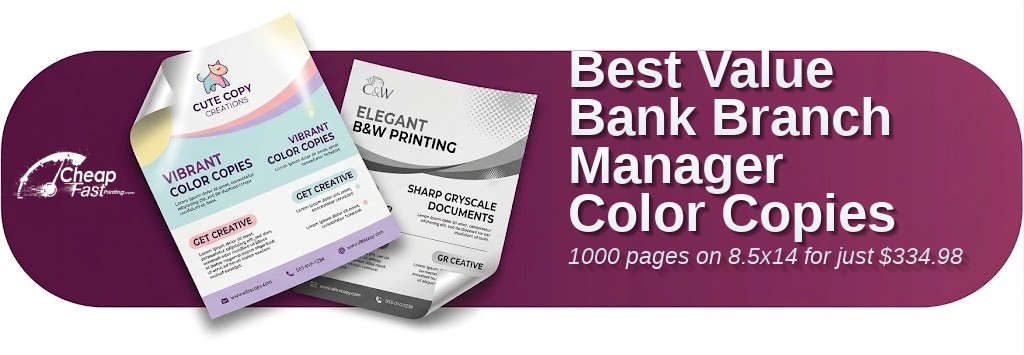 250 Low-price 8.5×11 · 60lb · Text Bank Branch Manager
Standard bond stock — reliable for everyday document runs.
View pricing & options →
250 Low-price 8.5×11 · 60lb · Text Bank Branch Manager
Standard bond stock — reliable for everyday document runs.
View pricing & options →
-
 500 Low-priced 8.5×14 · 70lb · Text Bankruptcy Consultant
Standard bond stock — reliable for everyday document runs.
View pricing & options →
500 Low-priced 8.5×14 · 70lb · Text Bankruptcy Consultant
Standard bond stock — reliable for everyday document runs.
View pricing & options →
-
 1000 Bargain 11×17 · 80lb · Text Boat Sales Broker
Solid 80lb stock balances quality and affordability.
View pricing & options →
1000 Bargain 11×17 · 80lb · Text Boat Sales Broker
Solid 80lb stock balances quality and affordability.
View pricing & options →
-
 2500 Best-value 4.25×5.5 · 100lb · Text Bookkeeper
Heavyweight 100lb stock for a premium, durable result.
View pricing & options →
2500 Best-value 4.25×5.5 · 100lb · Text Bookkeeper
Heavyweight 100lb stock for a premium, durable result.
View pricing & options →
-
 5000 Cost-effective 5.5×8.5 · 80lb · Gloss Text Bridal Consultant
Gloss text weight — vibrant color with a lighter feel.
View pricing & options →
5000 Cost-effective 5.5×8.5 · 80lb · Gloss Text Bridal Consultant
Gloss text weight — vibrant color with a lighter feel.
View pricing & options →
-
 100 Value 8.5×11 · 100lb · Gloss Text Business Broker
Gloss text weight — vibrant color with a lighter feel.
View pricing & options →
100 Value 8.5×11 · 100lb · Gloss Text Business Broker
Gloss text weight — vibrant color with a lighter feel.
View pricing & options →
-
 250 Wallet-friendly 8.5×14 · 80lb · Matte Text Business Consultant
Matte text weight — easy to read, easy to annotate.
View pricing & options →
250 Wallet-friendly 8.5×14 · 80lb · Matte Text Business Consultant
Matte text weight — easy to read, easy to annotate.
View pricing & options →
-
 500 Price-savvy 11×17 · 100lb · Matte Text Cfo Chief Financial Officer
Matte text weight — easy to read, easy to annotate.
View pricing & options →
500 Price-savvy 11×17 · 100lb · Matte Text Cfo Chief Financial Officer
Matte text weight — easy to read, easy to annotate.
View pricing & options →
Glossary
- Preflight: a final check on file dimensions, fonts, margins, and resolution before production.
- Duplex: printing on both sides of the sheet.
- Stock: the paper type, finish, and weight selected for the job.
- Turnaround: the production window before shipping or pickup.
- Line-item quote: pricing broken into the decisions that actually change the total.
How to use this guide
Use this page to lock specs, compare options, and move into quoting with fewer surprises. It is written for office teams sourcing document printing and focuses on the decisions that change print results, turnaround, and total cost.
Relevant links and next steps
- Color and black-and-white copies
- Request a quote
- Free pre-press and design help
- Track an order
- Letterhead templates and branded stationery
- Guideline templates for print-safe setup
- Related: How to Print Contracts and Reports Without Errors
- Related: Business Document Printing for Teams and Offices
- Related: How to Prepare PDFs for Clean Document Printing
- Related: Walk In Document Printing What to Bring
- Related: Color Copy Budget Planner for Small Businesses
- Related: Color Copy Cost Mistakes That Increase Your Bill
Authoritative references
Lock specs and request pricingHelpful templates and guideline files
Use these internal resources to move faster without losing print-safe structure.
- Letterhead templates and stationery options
- Letterhead overview and branded paper options
- Guideline template library for print-safe setup
- Copies setup guide and ordering hub
- 5.5×8.5 flyer reference
- 11×17 poster-style flyer reference
- 11×17 event handout layout reference
- 4×9 rack-card style reference
- 2.5×4 mini handout reference
FAQ (12)
1) What should I prepare before ordering?
Start with the constraint that matters most to office teams sourcing document printing: final use, deadline, readability, or budget. That first decision usually makes the rest of the order easier to judge. If the job has sections, covers, inserts, or appendices, spell that out in the handoff instead of assuming support will infer it from the PDF thumbnails. Archive the approved version and the order notes when the job is done. The next order should start from the winning spec, not from memory. A clean workflow keeps everything in one place: the approved PDF, the written spec list, the deadline, and the person who can sign off on changes. If the job is urgent, separate truly time-sensitive pages from everything else. That gives support more room to protect both budget and quality.
2) What workflow keeps the job moving cleanly?
The best answer usually appears once you separate what is fixed from what is optional. For office teams sourcing document printing, that means deciding which specs are non-negotiable before discussing upgrades. A clean workflow keeps everything in one place: the approved PDF, the written spec list, the deadline, and the person who can sign off on changes. If the job has sections, covers, inserts, or appendices, spell that out in the handoff instead of assuming support will infer it from the PDF thumbnails. Archive the approved version and the order notes when the job is done. The next order should start from the winning spec, not from memory. If you need support, send one message with the approved PDF, quantity, stock preference, finishing needs, and in-hands date so quoting stays practical instead of speculative.
3) What should be locked before anyone asks for pricing?
Treat this as an approval question, not just a technical one. The right answer depends on who will use the piece, how fast it is needed, and what would make a rerun painful. Archive the approved version and the order notes when the job is done. The next order should start from the winning spec, not from memory. A clean workflow keeps everything in one place: the approved PDF, the written spec list, the deadline, and the person who can sign off on changes. If the job has sections, covers, inserts, or appendices, spell that out in the handoff instead of assuming support will infer it from the PDF thumbnails. When in doubt, ask for a quick pre-press review before the job scales. Early clarity is almost always cheaper than fixing a rushed assumption later.
4) Which file format reduces risk most often?
A practical answer starts with the actual job, not with generic advice. Match the file, deadline, handling, and audience before you lock any assumption in place. If the job has sections, covers, inserts, or appendices, spell that out in the handoff instead of assuming support will infer it from the PDF thumbnails. Archive the approved version and the order notes when the job is done. The next order should start from the winning spec, not from memory. A clean workflow keeps everything in one place: the approved PDF, the written spec list, the deadline, and the person who can sign off on changes. Archive the approved PDF and final spec after the job closes. That one habit makes the next order faster, easier to compare, and less likely to drift.
5) How do I avoid version confusion on jobs like this?
Start with the constraint that matters most to office teams sourcing document printing: final use, deadline, readability, or budget. That first decision usually makes the rest of the order easier to judge. A clean workflow keeps everything in one place: the approved PDF, the written spec list, the deadline, and the person who can sign off on changes. If the job has sections, covers, inserts, or appendices, spell that out in the handoff instead of assuming support will infer it from the PDF thumbnails. Archive the approved version and the order notes when the job is done. The next order should start from the winning spec, not from memory. If the job is urgent, separate truly time-sensitive pages from everything else. That gives support more room to protect both budget and quality.
6) What belongs in one complete handoff message?
The best answer usually appears once you separate what is fixed from what is optional. For office teams sourcing document printing, that means deciding which specs are non-negotiable before discussing upgrades. Archive the approved version and the order notes when the job is done. The next order should start from the winning spec, not from memory. A clean workflow keeps everything in one place: the approved PDF, the written spec list, the deadline, and the person who can sign off on changes. If the job has sections, covers, inserts, or appendices, spell that out in the handoff instead of assuming support will infer it from the PDF thumbnails. If you need support, send one message with the approved PDF, quantity, stock preference, finishing needs, and in-hands date so quoting stays practical instead of speculative.
7) How early should shipping and deadline details be confirmed?
Treat this as an approval question, not just a technical one. The right answer depends on who will use the piece, how fast it is needed, and what would make a rerun painful. If the job has sections, covers, inserts, or appendices, spell that out in the handoff instead of assuming support will infer it from the PDF thumbnails. Archive the approved version and the order notes when the job is done. The next order should start from the winning spec, not from memory. A clean workflow keeps everything in one place: the approved PDF, the written spec list, the deadline, and the person who can sign off on changes. When in doubt, ask for a quick pre-press review before the job scales. Early clarity is almost always cheaper than fixing a rushed assumption later.
8) What proof or sample is worth checking before scaling?
A practical answer starts with the actual job, not with generic advice. Match the file, deadline, handling, and audience before you lock any assumption in place. A clean workflow keeps everything in one place: the approved PDF, the written spec list, the deadline, and the person who can sign off on changes. If the job has sections, covers, inserts, or appendices, spell that out in the handoff instead of assuming support will infer it from the PDF thumbnails. Archive the approved version and the order notes when the job is done. The next order should start from the winning spec, not from memory. Archive the approved PDF and final spec after the job closes. That one habit makes the next order faster, easier to compare, and less likely to drift.
9) What handoff mistake slows production most often?
Start with the constraint that matters most to office teams sourcing document printing: final use, deadline, readability, or budget. That first decision usually makes the rest of the order easier to judge. Archive the approved version and the order notes when the job is done. The next order should start from the winning spec, not from memory. A clean workflow keeps everything in one place: the approved PDF, the written spec list, the deadline, and the person who can sign off on changes. If the job has sections, covers, inserts, or appendices, spell that out in the handoff instead of assuming support will infer it from the PDF thumbnails. If the job is urgent, separate truly time-sensitive pages from everything else. That gives support more room to protect both budget and quality.
10) How do I keep approvals traceable on repeat orders?
The best answer usually appears once you separate what is fixed from what is optional. For office teams sourcing document printing, that means deciding which specs are non-negotiable before discussing upgrades. If the job has sections, covers, inserts, or appendices, spell that out in the handoff instead of assuming support will infer it from the PDF thumbnails. Archive the approved version and the order notes when the job is done. The next order should start from the winning spec, not from memory. A clean workflow keeps everything in one place: the approved PDF, the written spec list, the deadline, and the person who can sign off on changes. If you need support, send one message with the approved PDF, quantity, stock preference, finishing needs, and in-hands date so quoting stays practical instead of speculative.
11) What should I do if the source file is unstable?
Treat this as an approval question, not just a technical one. The right answer depends on who will use the piece, how fast it is needed, and what would make a rerun painful. A clean workflow keeps everything in one place: the approved PDF, the written spec list, the deadline, and the person who can sign off on changes. If the job has sections, covers, inserts, or appendices, spell that out in the handoff instead of assuming support will infer it from the PDF thumbnails. Archive the approved version and the order notes when the job is done. The next order should start from the winning spec, not from memory. When in doubt, ask for a quick pre-press review before the job scales. Early clarity is almost always cheaper than fixing a rushed assumption later.
12) When should I ask for help instead of forcing the workflow?
A practical answer starts with the actual job, not with generic advice. Match the file, deadline, handling, and audience before you lock any assumption in place. Archive the approved version and the order notes when the job is done. The next order should start from the winning spec, not from memory. A clean workflow keeps everything in one place: the approved PDF, the written spec list, the deadline, and the person who can sign off on changes. If the job has sections, covers, inserts, or appendices, spell that out in the handoff instead of assuming support will infer it from the PDF thumbnails. Archive the approved PDF and final spec after the job closes. That one habit makes the next order faster, easier to compare, and less likely to drift.