

Every experienced printing professional will tell you the same thing — the paper is half the message. Before a single word is read, the weight of the page in someone’s hand, the feel of the coating under their thumb, and the reflective depth of the ink on the surface has already communicated something about the brand that sent it. Cheap thin paper says one thing. Rigid, UV-coated 14pt cardstock says something entirely different.
Most businesses commissioning their first professional flyer campaign dramatically underestimate the impact of paper selection. They focus entirely on the design and treat paper as an afterthought — an option they pick in a dropdown without fully understanding what each choice communicates. This guide ensures you never make that mistake.
Paper Type Deep-Dive: Every Option Explained
Slide to compare paper weights and see how each rating affects your brand perception and use case.
Understanding Paper Weight: lbs vs GSM
American paper weights use the “lb” (pound) system, which measures the weight of 500 parent sheets at the paper’s base size — a confusingly inconsistent measurement because different paper types use different parent sheet sizes. The gsm (grams per square meter) metric system is more accurate for comparisons because it measures a standard unit regardless of paper type.
| US Paper Weight | GSM | Thickness Feel | Common Use |
|---|---|---|---|
| 20lb Bond (copy paper) | 75gsm | Very thin / flimsy | Office copies only |
| 60lb Uncoated Text | 90gsm | Thin / newspaper-like | Newsprint inserts |
| 80lb Gloss Text | 120gsm | Standard magazine page | Economy flyers |
| 100lb Gloss Book | 150gsm | Substantial / professional | ⭐ Standard marketing flyers |
| 100lb Gloss Cover | 270gsm | Heavy / premium | Premium brochures |
| 14pt Cardstock | 235gsm | Rigid / business-card feel | ⭐ Premium flyers & menus |
| 18pt Cardstock | 300gsm | Very rigid / rigid board | Countertop displays |
Gloss vs Matte vs UV: Coating Comparison
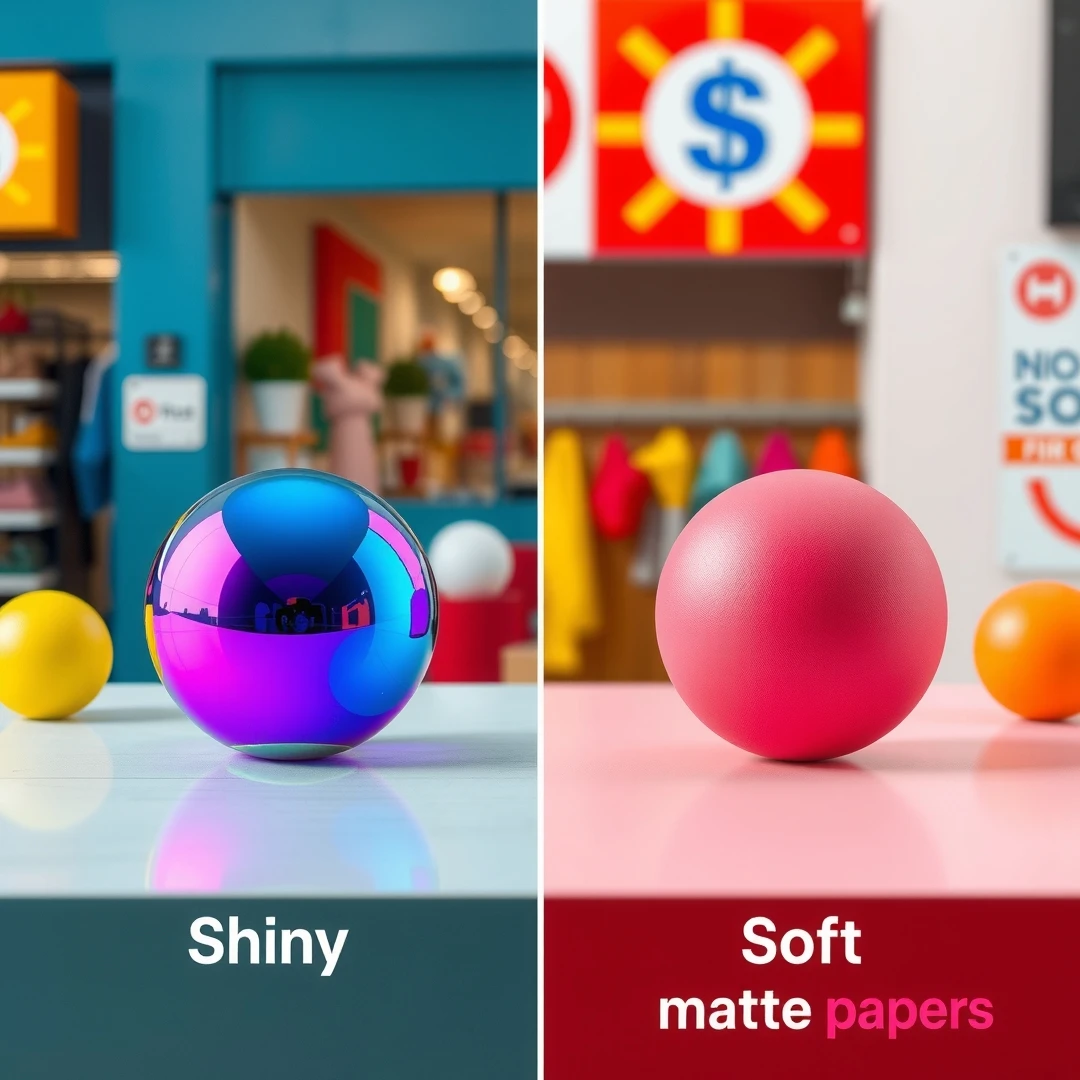
The paper coating is independent of the paper weight — it is an additional finishing layer applied after printing that dramatically alters the visual and tactile experience of the flyer. Understanding the differences between coating types is critical to selecting the right finish for your campaign context:
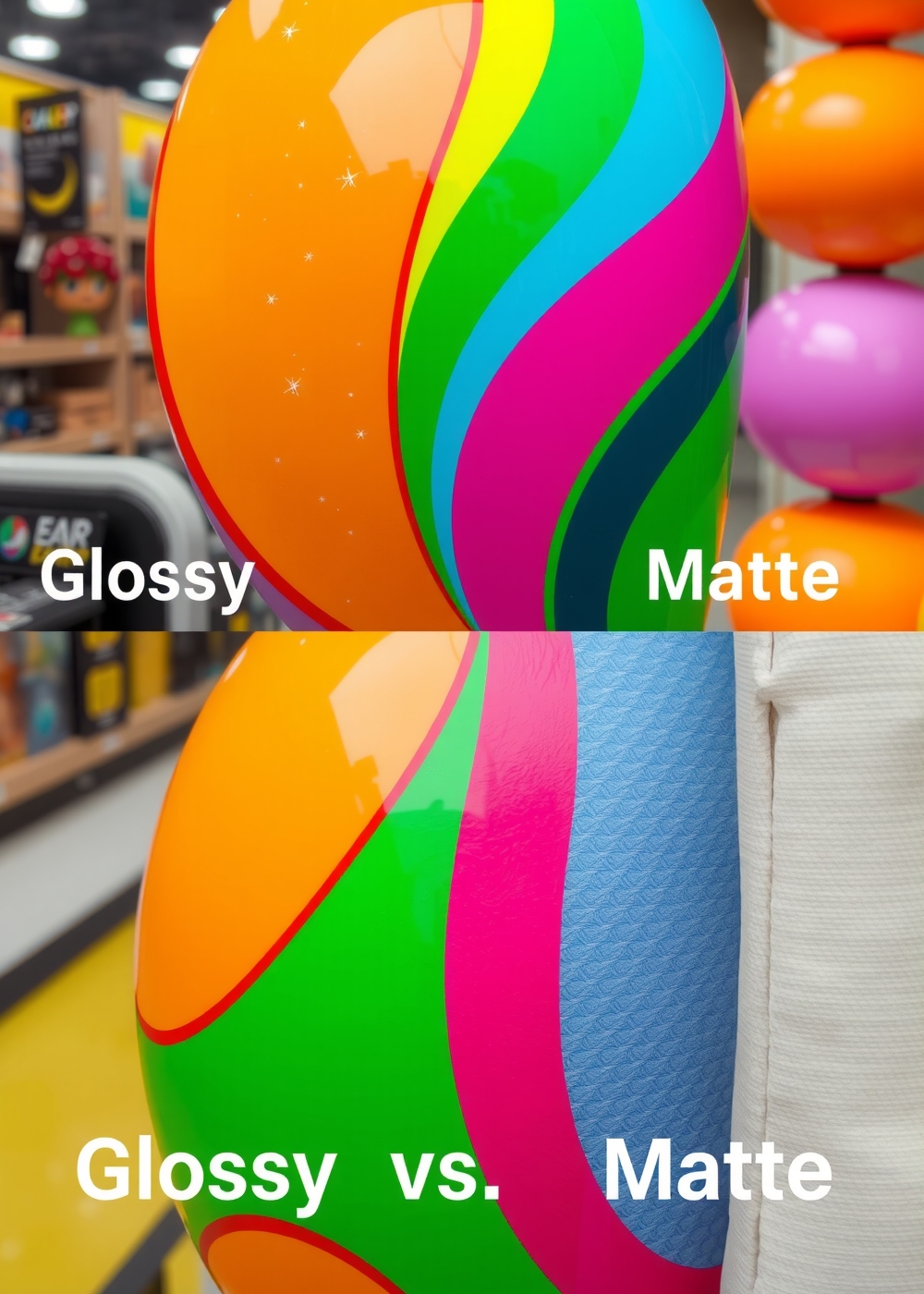
- UV Gloss (Ultra-Violet Gloss): The most vivid and protective finish available. Liquid polymer applied and cured under UV light. Creates an intense glass-like surface that makes colors “pop” dramatically. Provides maximum fingerprint resistance and water resistance. Best for: all image-heavy campaigns, outdoor distribution, and any context where visual impact is the priority.
- Aqueous Gloss: A water-based coating that provides a moderate sheen. Less vivid than UV Gloss but more environmentally friendly and easier to write on, which makes it suitable for flyers that include a fill-in form, entry field, or coupon space.
- Matte (No Coating): An uncoated surface that absorbs light rather than reflecting it. Colors appear softer and text appears crisper than on gloss under indoor lighting. The preferred choice for professional and corporate contexts where restraint communicates sophistication.
- Silk/Satin: A mid-point between gloss and matte with a subtle low-shine that reduces glare while maintaining color vibrancy better than fully flat matte. Ideal for photography-heavy designs seen in office environments.

Paper Selection by Industry: Quick Reference
- Restaurants / Food & Beverage: 100lb Gloss with UV coating. Food photography demands maximum color fidelity.
- Real Estate: 14pt Cardstock Gloss or Matte. Rigid premium feel matches premium property positioning.
- Law / Finance / Medical: 100lb Matte Cover. Non-glossy, glareless — communicates trustworthiness and sobriety.
- Events / Entertainment: 100lb Gloss with UV. Bold colors under street conditions require gloss protection and vibrancy.
- Retail / Grand Opening: 80lb or 100lb Gloss — maximize quantity for high-volume distribution at events and in-store. Economy gloss is the right call.
- Churches / Nonprofits: 80lb Gloss Text — budget-conscious quantity plus professional appearance. Balance is achievable.
Outdoor vs Indoor Flyer Paper Needs
Flyers distributed or posted outdoors face environmental conditions that dramatically reduce their lifespan without the right material choice. UV sunlight fades ink, moisture warps paper, wind lifts lightweight stock, and handling degrades unprotected edges. For outdoor campaigns: UV coating is essential to resist fading, 100lb minimum weight prevents wind damage, and lamination (applied over the printed surface) provides maximum weather resistance for long-duration posting campaigns.
For indoor flyers placed in climate-controlled environments (office lobbies, reception areas, restaurants, retail counters), standard 100lb Gloss without lamination is entirely sufficient. The controlled environment eliminates weather factors, and the unlaminated finish costs significantly less.
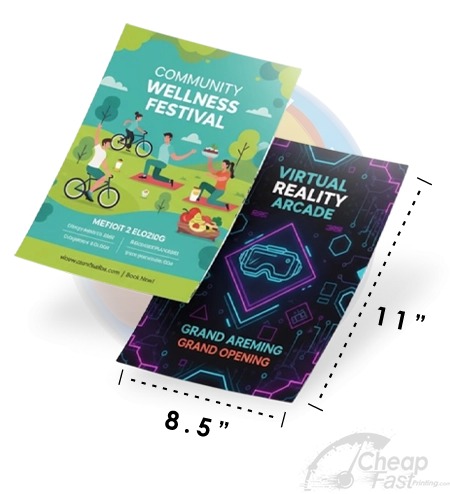
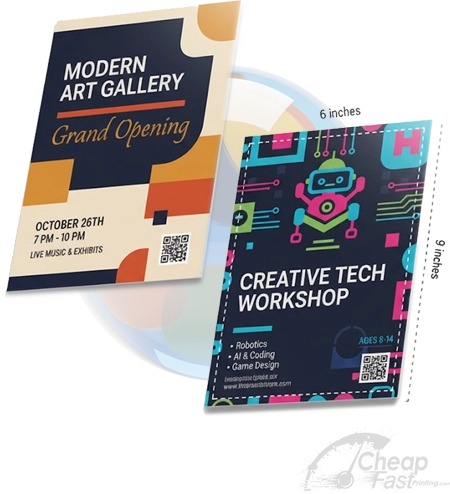
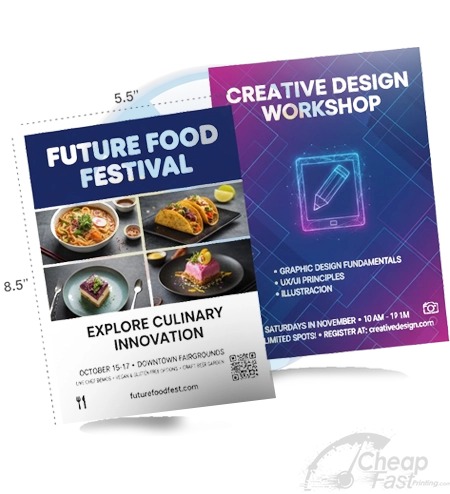
Browse 6 Paper-Spec Flyer Formats