
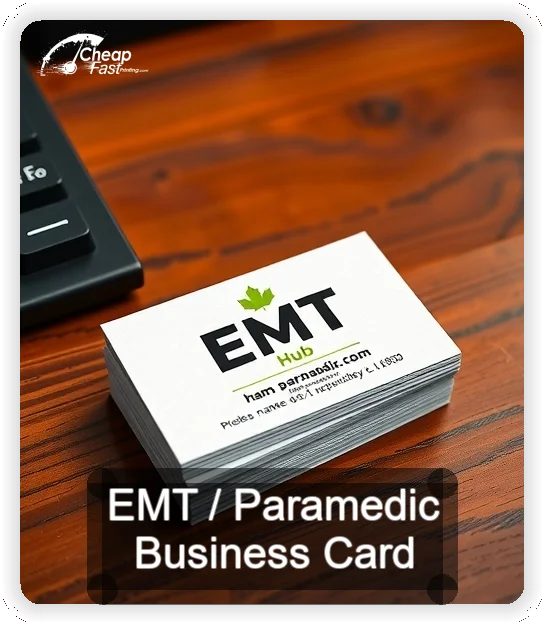
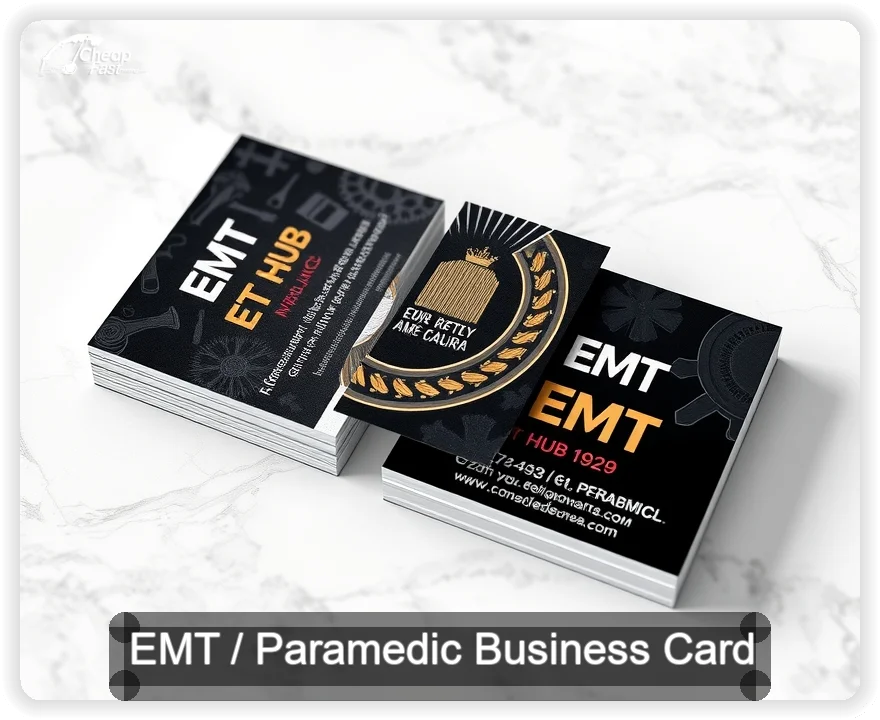
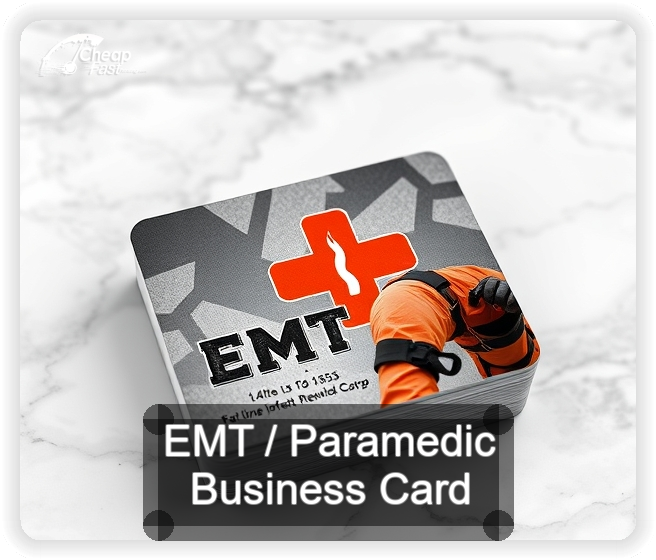
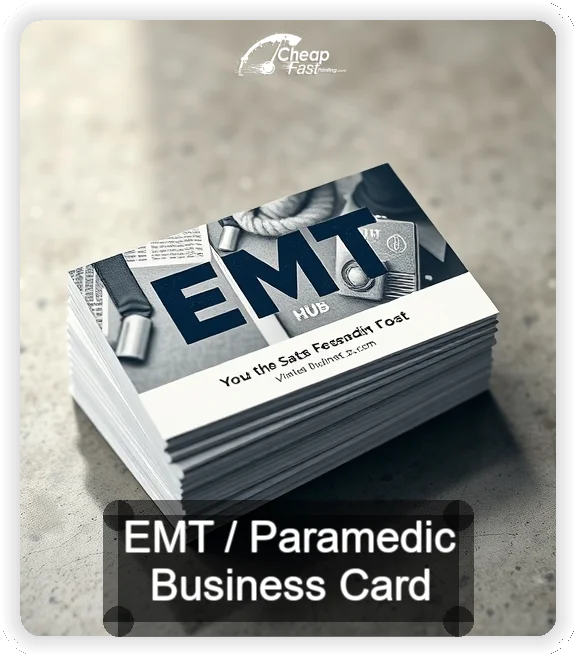
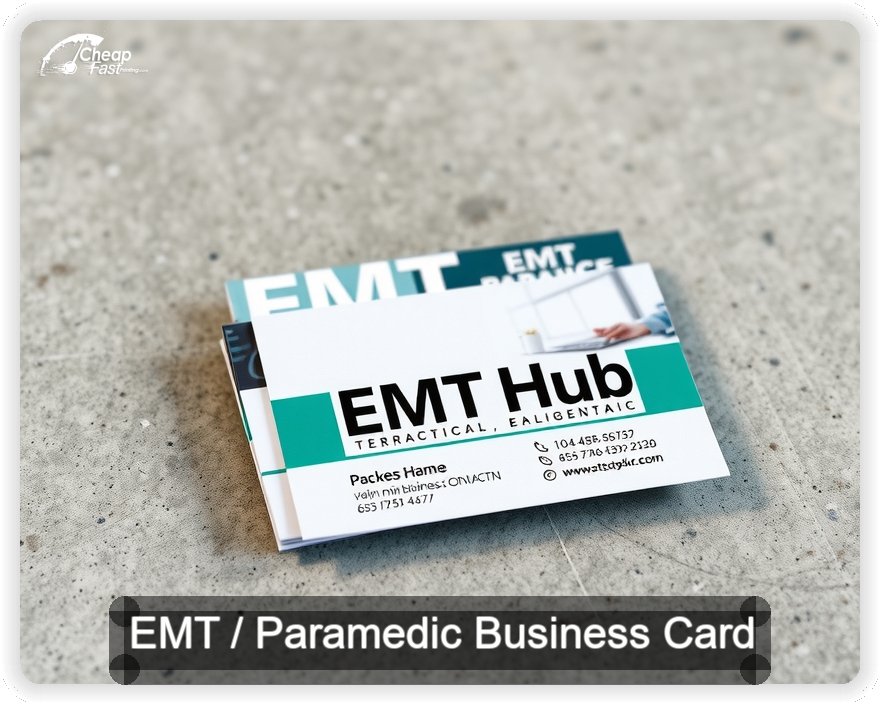
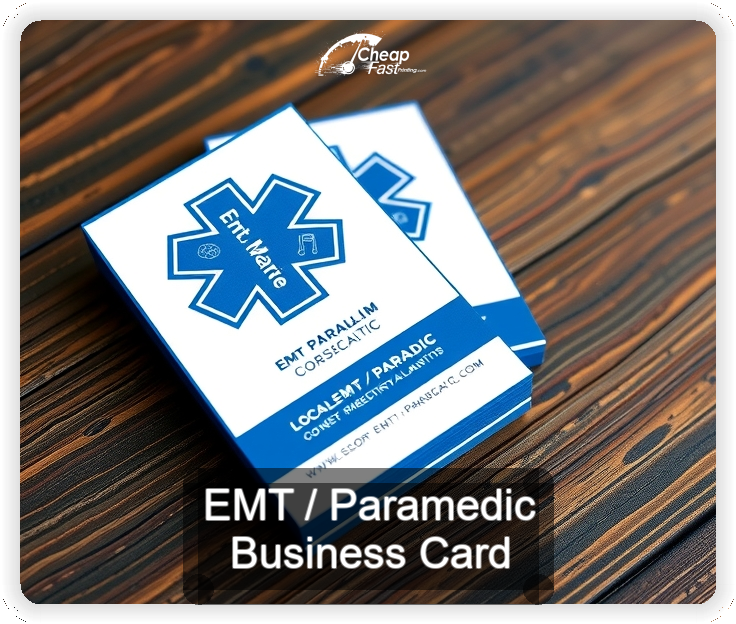
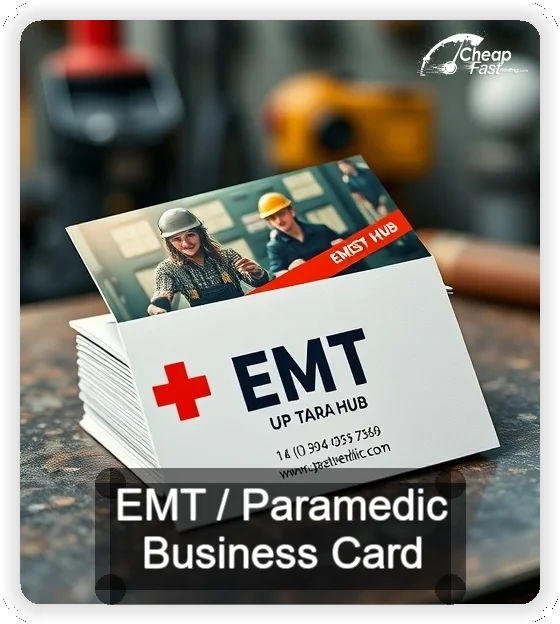
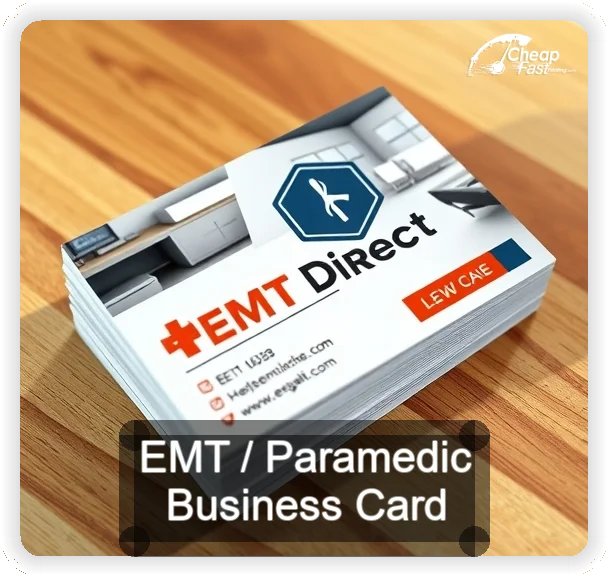
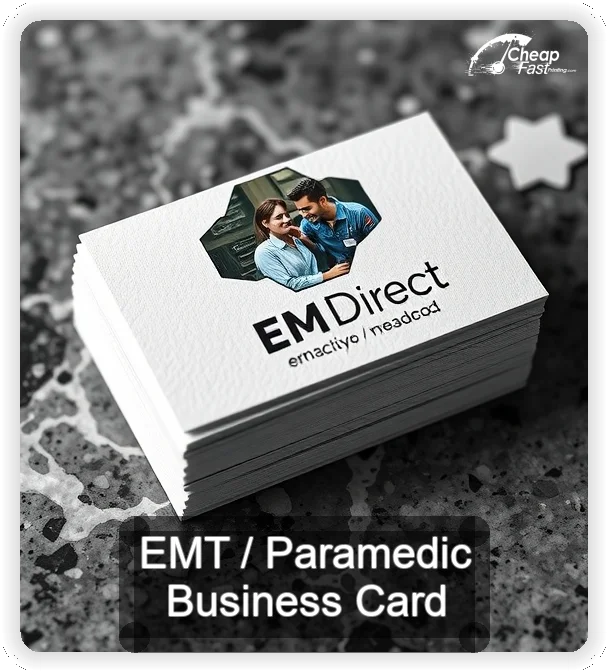
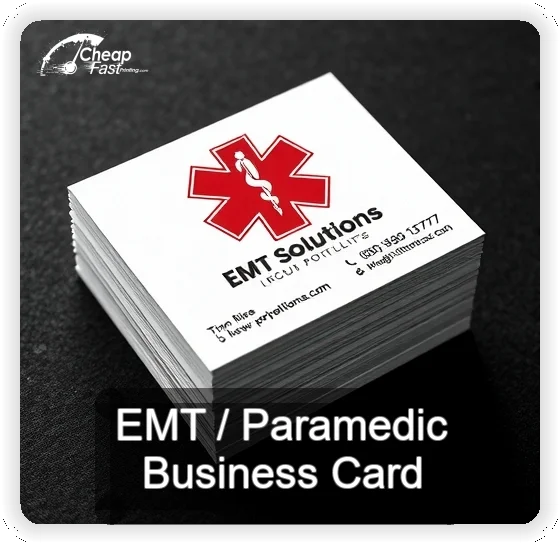
Good EMS design is clean and easy to scan. Use bold type for the name and one accent color for the department brand.
Keep icons small and purposeful. A QR code works well on the back when it points to training, volunteer, or public education pages.
Every proof is reviewed for spacing and contrast so the final print stays crisp.
EMTs, paramedics, field training officers, and EMS educators use cards for quick contact sharing. Cards also help dispatch partners, event organizers, and clinic staff reach the right person.
For departments, one layout can be reused across shifts with different names. It keeps the brand consistent and the process fast.
The size is 1.5x3.5 inches in a slim rectangle. The narrow width fits small carry spots and stays easy to grab.
Thick stock resists bending and keeps edges clean. Crisp print and strong contrast support quick reading.
When we say cheap business cards printing, it means efficient production and clear pricing. The result stays premium, with a proof before production and consistent stock.
Production and shipping are shown separately. Planning stays simple for training dates and public events in 2026.
No print-ready file is fine. Send the text and logo, and we format a clean layout.
A digital proof comes first. Edits are included so the final card looks sharp and trusted.
Keep lines short and direct. Include name, certification, and one best contact method.
Many teams add a unit line, training contact line, or non-emergency office number. Avoid adding personal details not meant for public sharing.
This code removes friction: copy, paste, save — no hoops, no vague eligibility questions.
Across Emt Paramedic, professionals rely on business cards to leave something tangible behind after every meeting. The card stock and finish you choose either support that goal or quietly undermine it. This industry-specific 5% discount — capped at $49.61 — exists to make upgrading your print quality a financially easier decision.
Emt Paramedic teams often need cards fast — print decisions land right before community sponsorship and local marketing, leaving little room for drawn-out deliberation. This offer is designed for that environment. Apply the code at checkout, save up to $49.61, and still access premium options like satin finish with aqueous seal or double-sided print on 14pt stock. The brand name reflects cost engineering, not a drop in paper weight or print fidelity.
Your specific code for this page is EMTPARAM-5-OFF-BC-IND. The -IND suffix marks it as industry-scoped — issued for Emt Paramedic specifically, not recycled from a sitewide promotion. Copy it in one click, paste it at checkout, and the system applies your 5% reduction to qualifying business card line items before you reach the payment screen. No manual claims, no follow-up.
A lower print cost also means more room to try a finish upgrade you have been putting off — satin finish with aqueous seal often shifts how a card reads before the recipient even registers the contact details. Free Design support is on hand if any part of the file needs adjustment before press. For Emt Paramedic professionals, this offer is a low-risk way to raise the quality bar on your most tangible brand asset.
Choose options. Free design and proof included.
| Quantity | Total Price | Per Piece |
|---|
Please select different options to view pricing.
A QR code can link to training dates, a public education page, or a volunteer form. It keeps the next step simple after a class or event.
We place the QR code during free design and keep the layout clean. The goal is a fast scan and a clear action.
Many teams point the code to one stable landing page, then update the page as schedules change.
This page is set for a slim 1.5x3.5 rectangle. It fits small pockets and stays easy to store.
The slim format also makes short contact lines look clean.
The quantity for this page is 2,500. It is a strong fit for stations, training programs, and community events.
High volume keeps the cost per card lower for teams that hand out cards often.
Yes. A digital proof is emailed before production starts. Check spelling, certification level, and contact lines.
Edits are included so the final card stays accurate.
Yes. One layout can be reused with different names and roles. It keeps the department brand consistent.
Each name line can be proofed before printing to avoid mistakes.
First responders get asked for contact info in real moments. After a community CPR class, a parent may want a training lead. After a standby event, an organizer may ask for a follow-up.
A clean card makes the handoff quick and clear. It also supports trust when the role is high-stakes and public-facing in 2026.
Many teams use cards for off-scene follow-up, like training requests, public education, and event planning. One small card can keep the right phone number from getting lost in a busy inbox.
For emt business cards, the goal is speed and clarity. Name, certification, and one best contact line should be readable in a single glance.
This page is built for a slim rectangle card: 1.5x3.5 inches. The narrow format fits radio pockets, wallet slots, and clipboards without folding.
In the field, small details matter. Slim cards slide into a glove box, a gear pocket, or a station binder without getting chewed up.
The phrase 1.5x3.5 business cards matters because the size changes how the layout reads. Short lines stay clean, and the card feels easy to handle.
The quantity is 2,500, which covers station needs, training events, and mutual-aid outreach without running out mid-season.
Cards get handled with gloves, tossed into bags, and carried in turnout gear. Thin stock bends fast and looks worn.
24 pt. Trifecta Green business cards bring a bold, durable feel. The thickness makes a powerful first impression and keeps the card flat.
Use high-contrast type and one clear call line. Keep the design calm so the info reads fast.
The stock choice also helps admin teams. When the card stays flat and readable, it does its job longer, and fewer cards get tossed.
Cards help with follow-up, training, and program coordination. They also support the public at events where phones are not convenient.
A small stack in a duty bag covers unexpected asks. It keeps contacts accurate and reduces missed connections.
Cards also help partner agencies. Hospitals, urgent care clinics, and public health teams may need a direct contact after an incident.
For first responder business cards, the best content is the content people can use without thinking. Clear name, clear role, clear next step.
Send the name line, certification level, and best phone or email. Add the station address only if it is used for public drop-ins.
We build a proof and email it for review. Check spelling and unit numbers, then approve.
Keep the front focused on identity and contact. Add a small icon only if it supports the job, not clutter.
On the back, a QR code can link to training dates, a department page, or a volunteer form. Keep the link stable so reprints are not needed.
A slim card works best with short lines. Good spacing is a proven way to keep type readable.
This is why slim business cards perform well for EMS. The format pushes the design to stay focused, and focused designs get used.
Many requests happen at the station door or right after an event. A coach asks who to call for a standby. A teacher asks about a CPR class for staff.
Those moments move fast. A card that can be handed over in two seconds is the simplest tool for follow-up.
Station handoff cards also help behind the scenes. Admin staff can file one in a vendor binder, a training folder, or an event packet so the right contact is always available.
Use the back for a short line that sets expectations, like training requests only, or non-emergency contact. That keeps communication clean.
EMS work touches the public, partner agencies, and internal teams. A card should share contact details without over-sharing personal information.
Use one primary number or email. Add a department website or training page when it helps people self-serve.
Skip anything that adds confusion. Two phone numbers, long taglines, and tiny text reduce trust.
In many towns, the first EMS contact happens at a public event. A good card helps the department look organized and makes follow-up easy.
For training programs, cards help instructors stay reachable without passing personal numbers. The card becomes a clear, professional boundary.
Recruiting is also a real use case in 2026. Career nights, EMT classes, and volunteer drives move faster when the right contact is in a pocket.
These steps are simple, but they create a steady pipeline for programs that run year-round.
Handoffs happen at shift change, during mutual aid, and after large events. A card can prevent miscommunication when names and unit numbers are similar.
Some teams keep a card on a clipboard, inside a station binder, or in an event packet. When a question comes up later, the contact is already there.
For departments that cover multiple stations, one card design can carry the shared brand. Small changes like station phone lines can be placed on the back, keeping the front consistent.
Two stacks work well: one at the front desk and one in a turnout bag. When the team covers events, extra cards prevent last-minute shortages.
Reorders stay effortless. If a title, phone line, or station assignment changes, a fresh proof is sent before printing.
Some teams also keep a small reserve for outside partners. When a clinic, school, or event organizer asks for paramedic business cards, the right contact is ready with no extra steps.