Professionally designed for 8" x 8" flyers. Fully editable & free!
Preparing Templates…
Families choose schools that feel clear, credible, and welcoming. private school flyers should spotlight a signature program, an open house date, and the next step to schedule a tour.
The 8x8 format gives room for a hero campus photo, a short list of academic strengths, and a clean CTA without crowding the layout. glossy paper flyers keep imagery sharp and colors vibrant.
When timelines are tight, urgent private school flyers keep admissions messaging on schedule without sacrificing print quality.
Use a focused layout so the piece reads like trusted private school marketing materials and memorable private school handouts for prospective families.
Lead with one defining program and one clear offer. A focused message such as STEM labs, arts academy, or college prep converts better than a long list.
Keep the open house line short and place the CTA near the phone or QR so the path is clear.
Use bold contrast so date and location notes stay readable on gloss stock.
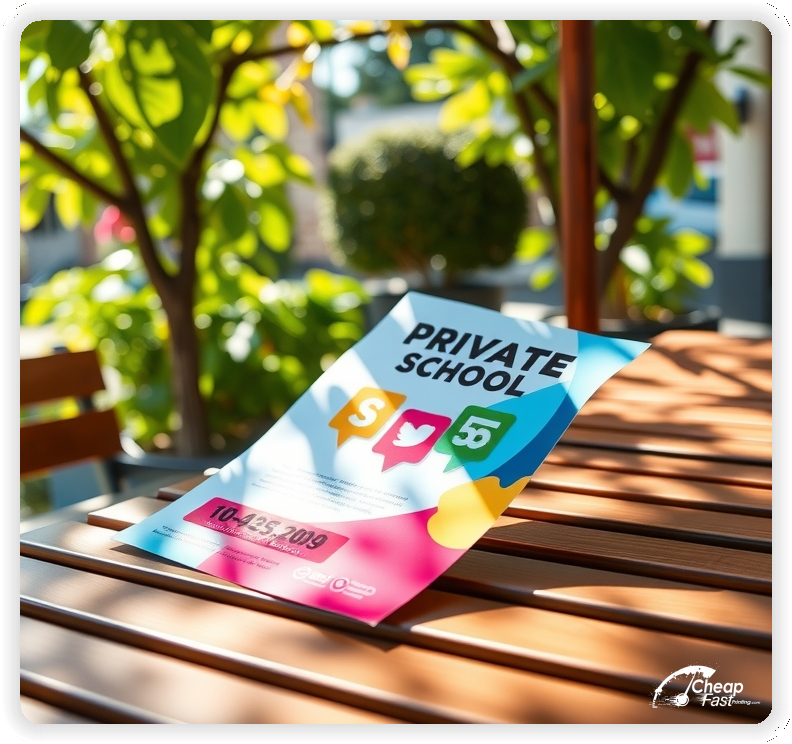
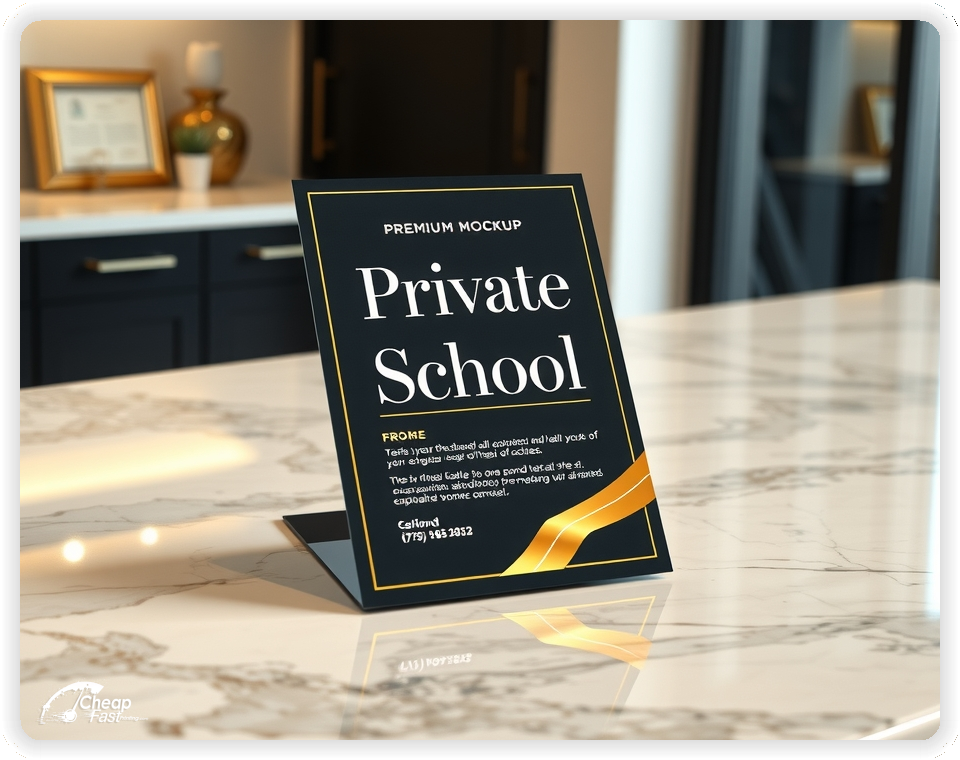

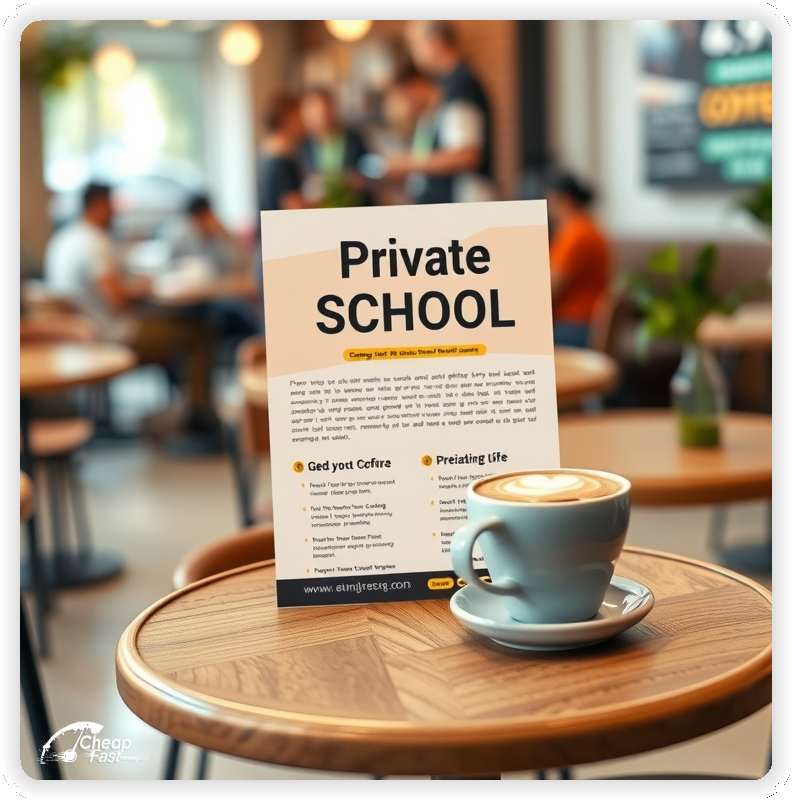
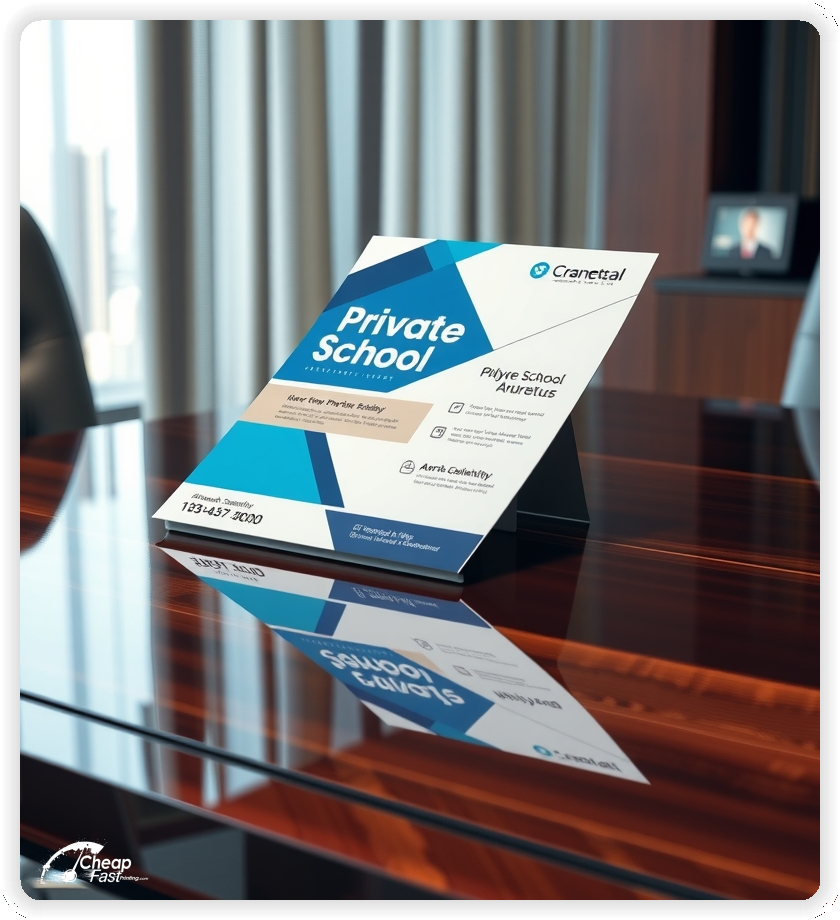
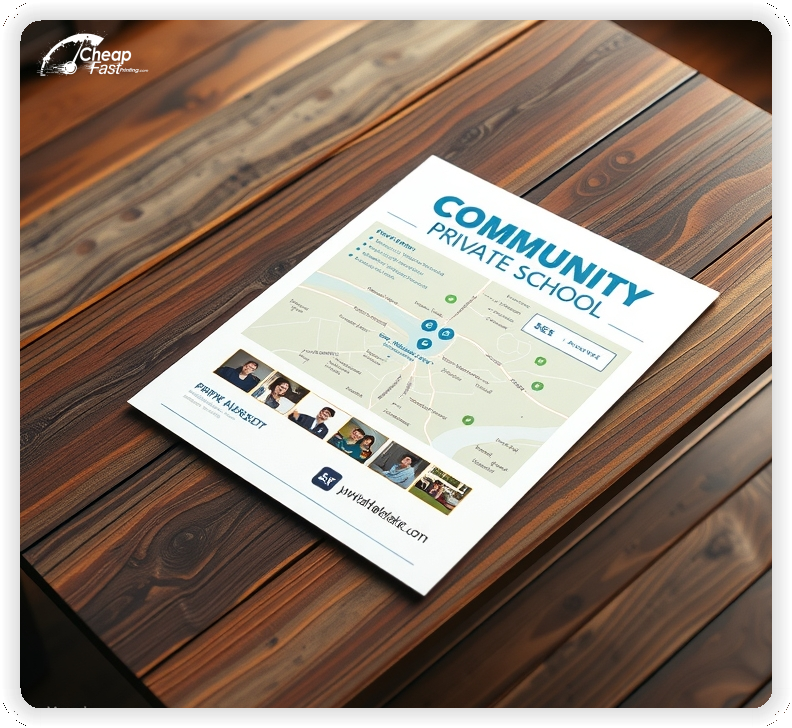
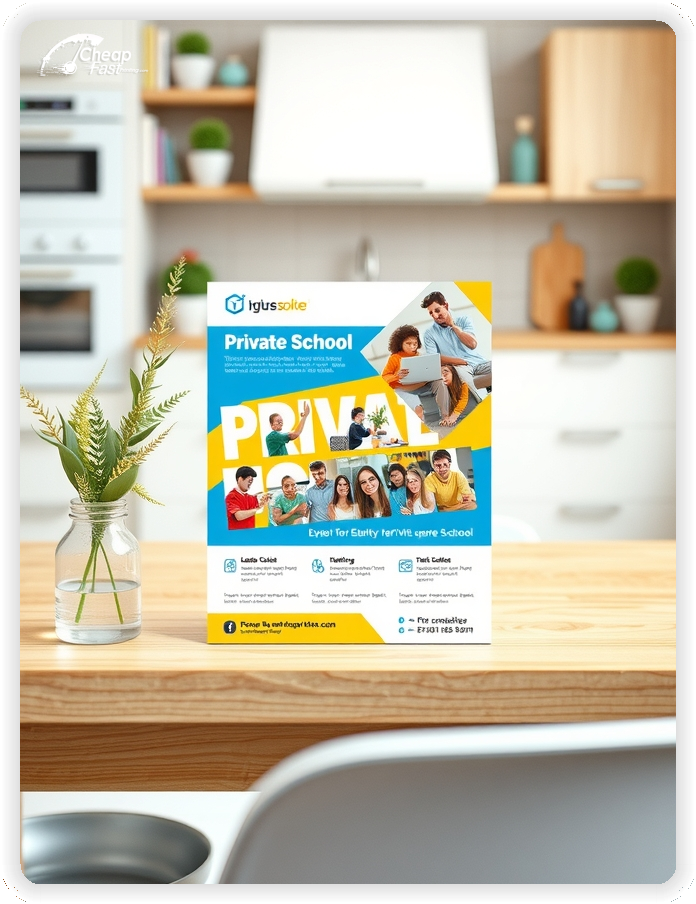

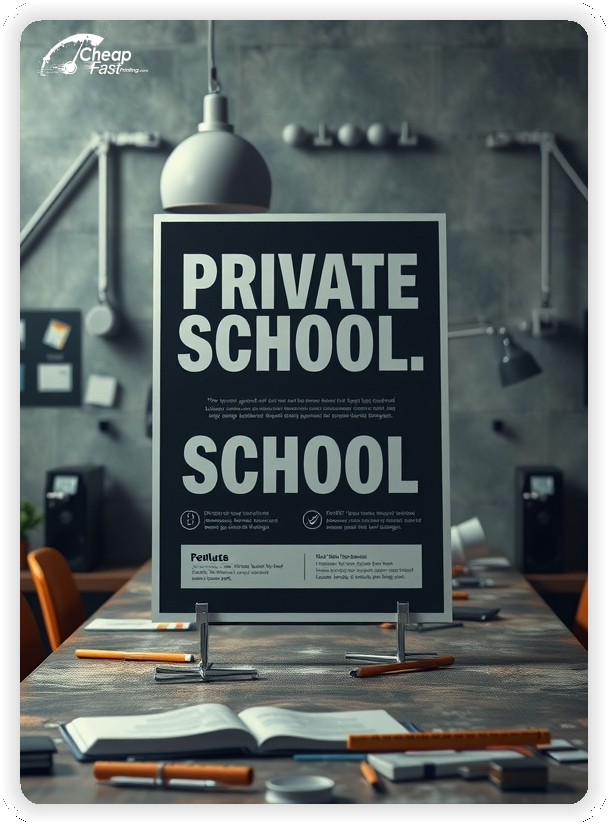
These pieces must make the school feel trustworthy and easy to visit. New families respond best to a clear program focus and a simple next step.
This structure keeps private school marketing materials focused while supporting quick decisions.
8x8 private school flyers give room for campus photography, program highlights, and a clear CTA without tiny text.
Use the top third for the program headline, the middle for key highlights, and the bottom for the open house details.
This size stands out on community boards and in welcome packets.
Families notice image quality. glossy paper flyers keep photos bright and readable under lobby lighting.
Use high-contrast typography so dates and contact lines stay clear.
The smooth finish pairs well with campus imagery and student photography.
A focused offer removes hesitation. Examples include priority tour slots or an application fee waiver.
Keep the offer line short and move details to the admissions page so the flyer stays clean.
Clear offers improve tour conversion because families understand the next step.
Program lists must be easy to scan. Use short lines such as “STEM labs, arts, athletics, counseling.”
Keep the list to five to seven highlights and feature one signature program.
Readable lists are essential for admissions because clarity drives tours.
Choose one primary theme for each flyer, such as college prep, Montessori, or classical education.
This keeps the message specific and helps families self-select quickly.
Focused positioning improves inquiries and supports higher tour rates.
Families want confidence in instruction quality. A short line about credentials, student outcomes, or accreditation builds trust.
Keep the credential brief and avoid a long bio. The website can provide full details.
A short trust line near the CTA supports decision confidence without clutter.
Accessibility improves attendance. Add a short line about parking, campus entrance, or visitor check-in.
Keep the note brief so the program remains the main focus.
Clear access notes reduce last-minute questions and support higher tour attendance.
Financial aid can be summarized in one line, such as “aid available.”
Keep detailed tuition tables on the admissions page so the flyer remains easy to scan.
This approach signals value without overwhelming the message.
Seasonal events are strong for demand spikes. Use a short callout for fall open houses or spring admissions.
Keep dates short and direct readers to a landing page for full details.
Event callouts add urgency while keeping the core offer visible.
Place flyers at libraries, community centers, youth programs, and local cafes with permission.
Ask front desks for the most visible spots and refresh placements when boards rotate.
Consistent placement supports awareness and brings steady inquiries.
Each flyer should lead to one action. A QR code to a short tour form reduces friction.
Keep the landing page focused on program highlights, dates, and a simple RSVP form.
This flow converts better than long pages because it keeps the decision path clear.
Interest rises during enrollment deadlines, testing windows, and spring tours.
Plan a primary run for each peak season and a smaller follow-up run to keep momentum.
When timelines tighten, rapid printing supports a timely campaign refresh.
Match the flyer headline and program names to the admissions page to reduce confusion.
Use the same terminology for grades and programs so the experience feels consistent.
Alignment across print and digital improves conversion because the message stays consistent.
Test two offers with the same layout to identify the best response.
Change only the offer line and track QR scans or calls by placement.
Once a winner is clear, scale with bulk private school flyers to keep the offer consistent.
Schools with multiple campuses benefit from consistent templates and localized visit details.
Keep branding aligned while adjusting directions and contact lines.
Consistent visuals help families recognize the school quickly.
New families need clear guidance. Use one line that explains how to schedule a tour or attend an open house.
Keep the text short, and link to a full FAQ on the admissions page.
This reduces anxiety and supports smoother first visits.
Use language that reflects the campus vibe, such as rigorous, nurturing, or exploratory.
Keep tone consistent across the highlight list and offer blocks so the piece feels cohesive.
Aligned tone helps the flyer feel authentic and builds a stronger brand impression.
Use a short reminder line such as “re-enrollment now open” or “priority registration.”
Do not add a full list of policies. The goal is to encourage renewals.
Retention messaging supports steady enrollment without overshadowing admissions.
Families value safety and care. A short line about campus security or health protocols improves confidence.
Keep the note brief and place it near the trust line.
Short safety notes support enrollment decisions without a long policy list.
Schools often stand out through community history. A short line about your mission or founding story builds connection.
Keep it to one line and allow the about page to tell the deeper story.
This creates trust without adding heavy copy to the piece.
Schools rely on clear visuals and strong typography. High-quality printing keeps lines crisp and colors clean.
When the piece looks polished, the school feels more professional and trustworthy.
Quality print also helps a simple design look intentional rather than sparse.
Many families discover schools through neighborhood boards or partner businesses. A clear, elegant flyer supports discovery when digital ads miss local foot traffic.
For local outreach, rotate private school handouts across consistent routes and refresh placements each month.
This supports awareness while the admissions page captures the action.
Use a friendly CTA such as “Schedule a tour” or “Reserve an open house seat.”
Keep the CTA short and place it near the date line so the next step is visible.
Clear CTAs help readers decide quickly and support higher tour rates.
Spacing matters in education branding. Use generous margins around the photo and highlight list.
Keep text blocks short and separate them with simple dividers.
A balanced layout keeps attention on the program and makes the piece feel refined.
Programs like transportation or after-school care add value. A short line such as “after-school available” adds clarity without crowding the layout.
Keep details on the admissions page so the flyer remains focused on the tour.
This message supports families while keeping the layout clean.
Scholarship programs build interest. Use a short line such as “merit scholarships available.”
Keep details on the financial aid page to preserve flyer clarity.
Program messaging can improve inquiries and long-term enrollment.
If tour slots fill quickly, mention limited availability and recommend booking ahead.
Use a short line such as “appointments recommended for tours.”
This sets expectations and helps reduce scheduling friction.
Clubs and activities help families picture student life. A short line about arts, athletics, or clubs adds value without overwhelming the main offer.
Keep the focus on tours and use the activity note as a secondary detail.
This supports enrollment without shifting the primary message away from admissions.
New families often want to know what to expect. A short line about check-in or ID requirements can reduce anxiety.
Keep guidance brief and place it near the CTA so it reads as part of the visit flow.
This small detail supports higher tour attendance.
Inclusive language makes the school feel welcoming to a wider audience. A short note such as “all learners welcome” helps families feel comfortable.
Keep the note short and avoid long explanations on the piece.
Clear inclusivity messaging supports community growth and encourages first-time visits.
Print pieces work best when they create one clear path from interest to visiting. A clear headline, a visible highlight list, and a short offer line are enough.
When the layout stays focused, the piece can build demand without heavy copy.
Pair print with a short admissions page and keep the message aligned for a consistent experience.
Your print piece has about 3 seconds to make an impression before it's tossed or kept. Don't bury the lead. Ensure your main headline and primary offer are visible from arm's length. Use high-contrast colors and bold typography to guide the eye exactly where you want it.
Target the Right Neighborhoods: Success isn't just about design; it's about distribution. Focus your efforts on neighborhoods that match your ideal family profile.
Most families do not enroll the moment they touch a piece. They notice, they remember, and they act later when the timing becomes urgent. For admissions outreach, plan distribution like a routine instead of a single drop. Pick two to four tight neighborhoods, repeat every two to three weeks, and keep the headline consistent so recognition builds.
Pair one primary route with two supporting placements. A counter stack at a library, a youth program, or a partner business creates extra touches. Use the same offer across all placements and track the channel with a distinct QR destination. When you know where tours come from, you can scale the winning route and stop printing pieces that are not producing visits.
Your print piece has about 3 seconds to make an impression before it's tossed or kept. Don't bury the lead. Ensure your main headline and primary offer are visible from arm's length. Use high-contrast colors and bold typography to guide the eye exactly where you want it.
Target the Right Neighborhoods: Success isn't just about design; it's about distribution. Focus your efforts on neighborhoods that match your ideal family profile.
Upload artwork and keep the focus on one signature program and one clear offer for custom private school flyers.
Proofing checks contrast, trimming, and spacing so program details and CTAs remain clear.
Proof review also confirms the QR destination and contact lines so the piece works without errors.
Consistent private school flyers printing keeps typography crisp across runs.
Confirm that the admissions page loads quickly on mobile so families can book a tour.
Verify that program names remain clear at arm’s length.
Check that the grid aligns evenly after trimming so columns stay consistent.
Confirm that offer lines remain aligned and do not wrap on narrow displays.
Use the 8x8 template to keep margins consistent and reserve space for photo and CTA blocks.
Templates also protect the grid so updates do not break alignment.
Consistent spacing keeps contact details visible after trimming and supports quick approvals.
A stable grid helps staff update offers without redesigns.
Consistent templates also support multi-campus updates with minimal editing.
They also preserve alignment for QR placement and address lines across every run.
It also keeps headers aligned across seasonal updates cleanly.
Loading Free Editable Designs...
Please wait while we prepare the template library.
Focused layouts outperform crowded pieces because the highlight list stays visible.
Consistent templates reduce design time and keep the message aligned across seasons.
Compare response by tours, applications, and enrollments rather than only print cost.
When the offer stays consistent, families recognize the school faster and book with less hesitation.
Tracking tours by offer type helps refine the next print cycle.
Review scan-to-tour ratios to understand which placements generate the best conversions.
Use one clear headline, one offer, and one primary CTA (call, scan, or order). Add the essentials: phone, website/QR, service area, hours (if relevant), and a trust signal like years in business or a short review snippet.
Keep the layout scannable: one hero image or icon, short bullets, and high-contrast CTA text that’s readable at arm’s length.
Yes. 8" x 8" balances visibility and readability without feeling cramped. It gives enough space for a strong headline, a benefits list, and a CTA while staying easy to hand out or place on counters and boards.
Prioritize spacing and hierarchy over extra copy so the main message lands in 3–5 seconds.
80 lb. Gloss Book with Gloss affects how the flyer feels and how colors read. Gloss tends to boost color and photos, matte reduces glare and feels more premium for text-heavy layouts, and uncoated is great for writing on.
If your design uses lots of fine text, choose clarity and contrast first; paper upgrades won’t fix a crowded layout.
10000 works well when you want consistent visibility across multiple placements (counters, boards, partner locations, events) over a few weeks. Bulk also lowers unit cost so you can test a message and keep the winner running.
Track performance, then reprint the best offer instead of changing everything at once.
If price is your main hook, feature one simple offer (“ off” or “Starting at ) and keep the fine print minimal. If you have variable pricing, use a short value statement and send details to a landing page.
A clean offer + simple CTA typically outperforms a long price list.
Use a QR code to a dedicated landing page and add UTM tags for each route or partner. Track scans, form fills, and calls to identify the placements that actually convert.
For non-QR audiences, include a short, memorable URL or a trackable phone extension.
Start where your customers already are: complementary businesses, community boards, local events, and targeted neighborhoods. Ask partners for the most visible spot and refresh before your flyer gets buried.
Use a consistent route and restock winners; small, repeated placements usually beat one big drop.
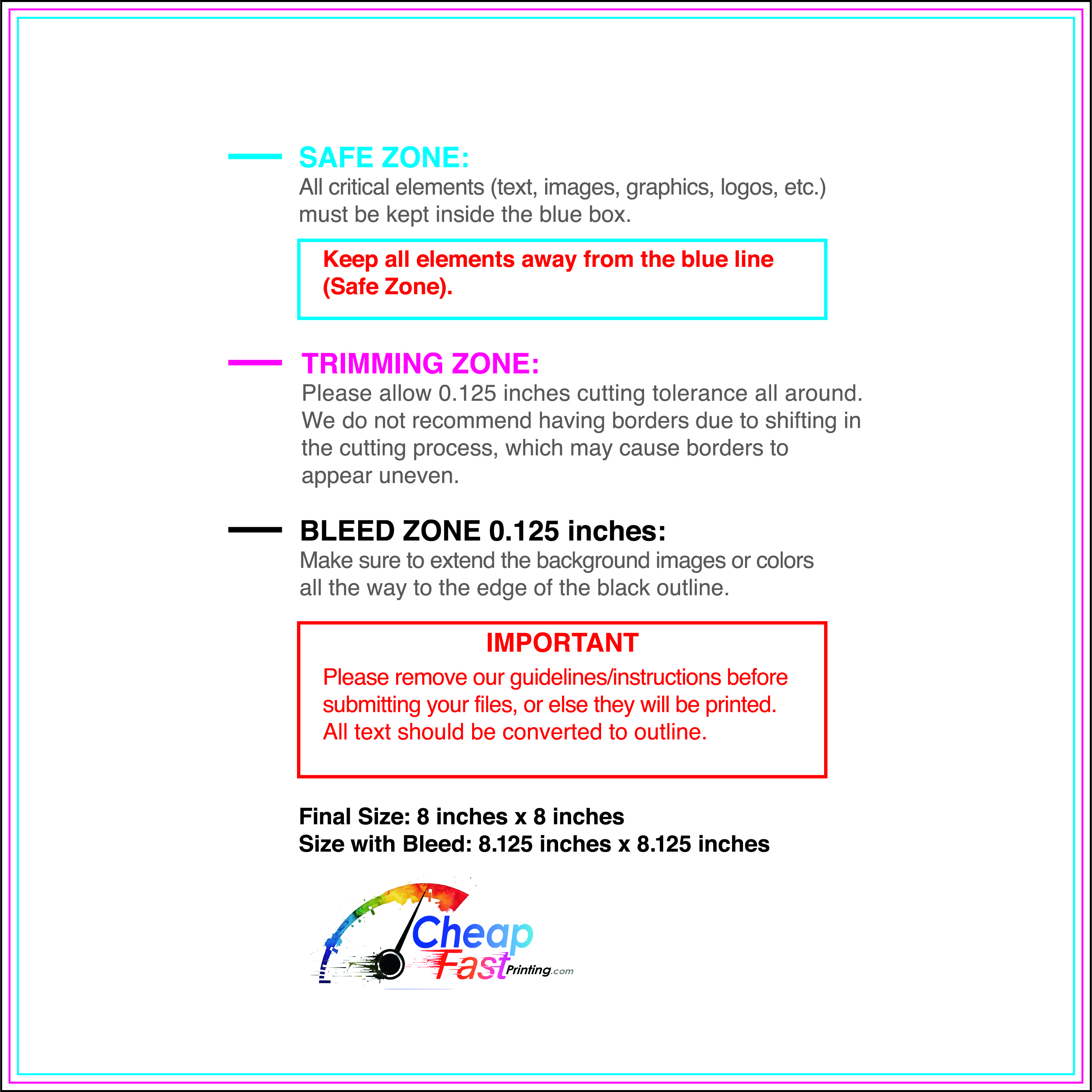
Submit a print-ready PDF (CMYK) at 300 DPI with 0.125" bleed and safe margins around important text. Keep thin lines above 0.5 pt and make QR codes at least ~0.8" square for reliable scanning.
Use vector logos when possible and limit your fonts to maintain a clean, professional look.
Request a proof so you can confirm spelling, margins, and QR/URL accuracy before production. Proofing is the easiest way to prevent expensive reprints.
Double-check phone numbers and offer terms first—those are the most common issues.
Match your flyer headline and offer to the landing page headline so visitors feel they’re in the right place. Keep the CTA consistent and make the page fast to load and easy to complete on mobile.
If you run ads, retarget QR visitors with the same offer to improve conversions.
Plan a steady supply for community boards and partner locations. A run of 10000 private school flyers supports long routes and seasonal outreach.
Predictable timing supports stronger tour response and keeps the message current.
Track which locations drive the most QR scans and prioritize restocks there.
Use smaller top-up runs to match seasonal changes without redesigning the layout.
Balance weekly and monthly distributions to keep coverage consistent.
Use distribution logs to identify boards that perform well and retire low-response locations.
For seasonal pushes, ordering bulk private school flyers keeps budgets stable while you scale.