Professionally designed for 6" x 6" flyers. Fully editable & free!
Preparing Templates…
Broken screens don't wait. The best cell phone repair flyers catch attention instantly with a clear promise: fast fixes, fair prices, and local convenience.
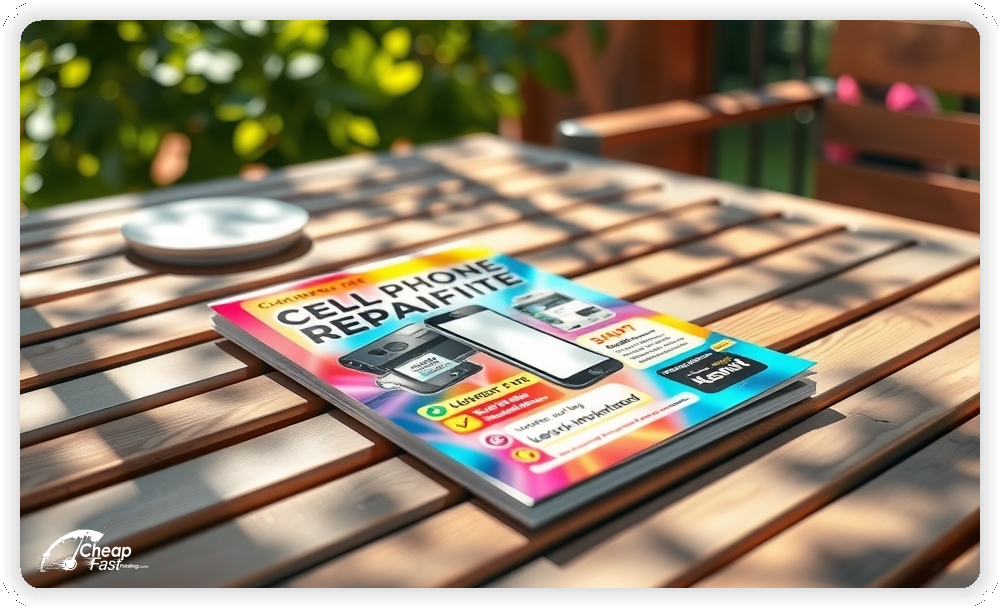
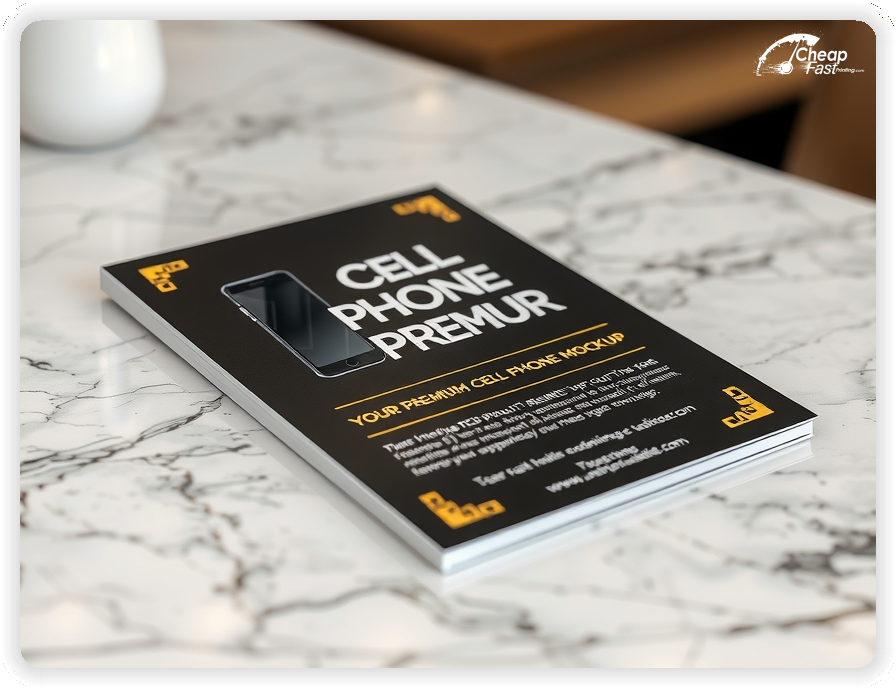
Our 100lb gloss cover paper gives your flyers a premium, durable feel that stands out in mailboxes and on counters. These glossy paper flyers make high-resolution before-and-after photos of cracked screens look dramatic and convincing.
Whether you need 100 quick flyers for a weekend promo or bulk runs for neighborhood saturation, these 6x6 handouts are the perfect size to communicate value without clutter.
Focus on the most common pain points: cracked screens, battery replacements, and water damage. A focused flyer with a clear price list converts better than a vague service list.
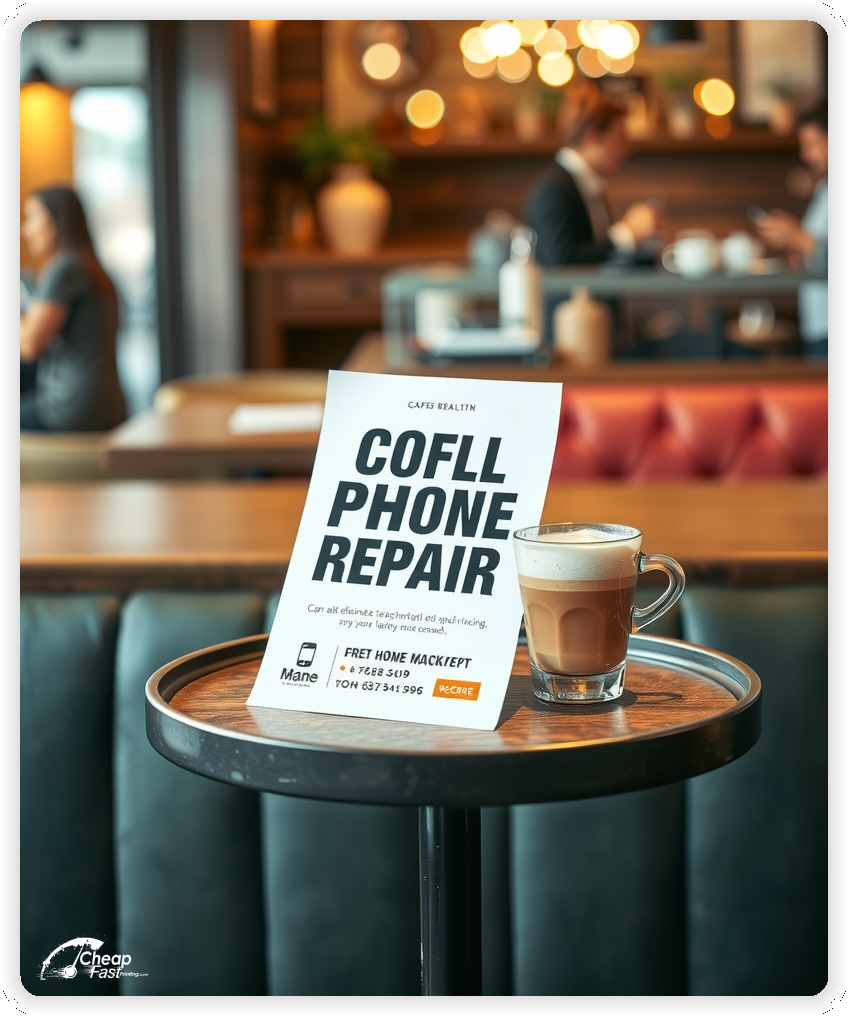
Use these cell phone repair handouts to target high-traffic areas like college campuses, coffee shops, and malls. A clear map and big phone number are essential.
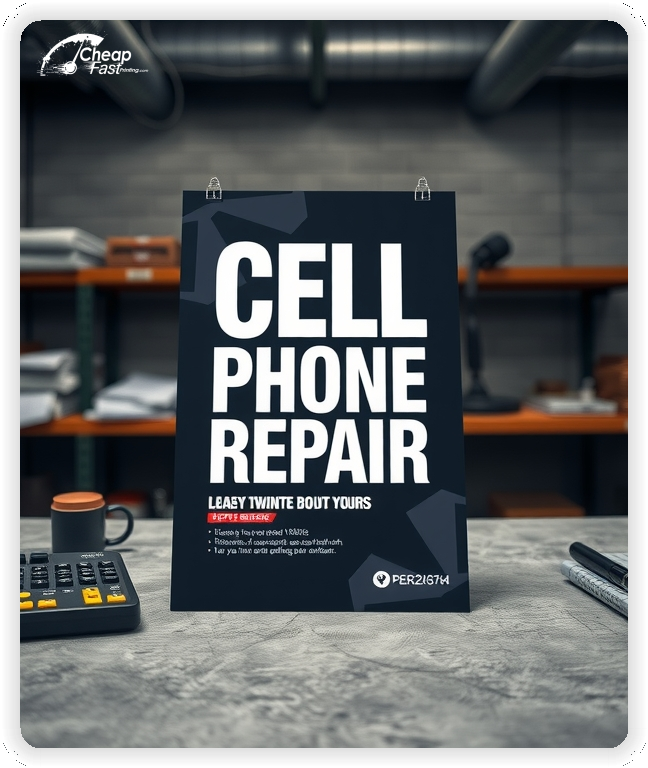
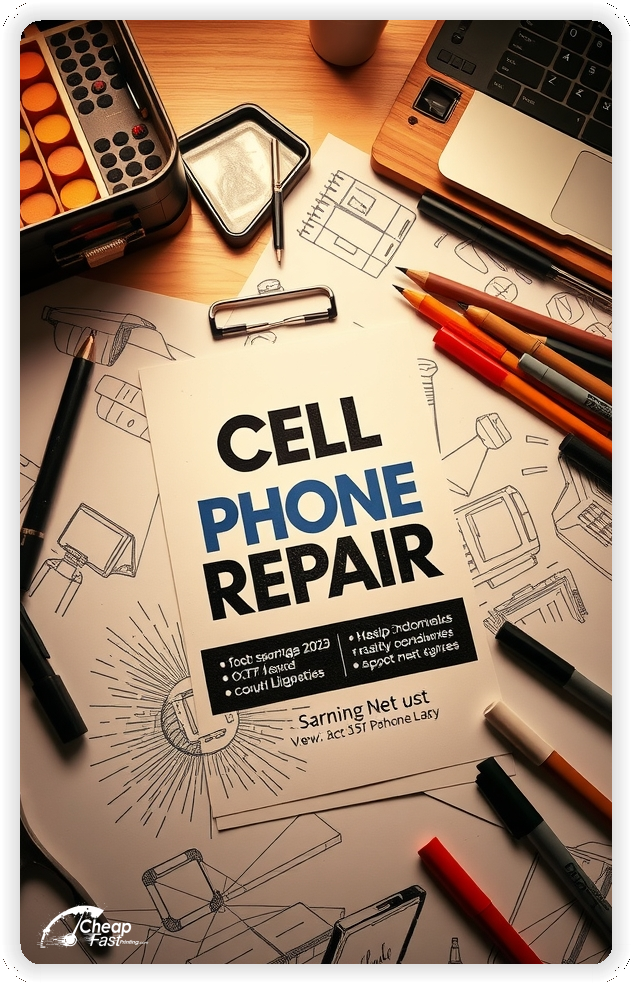
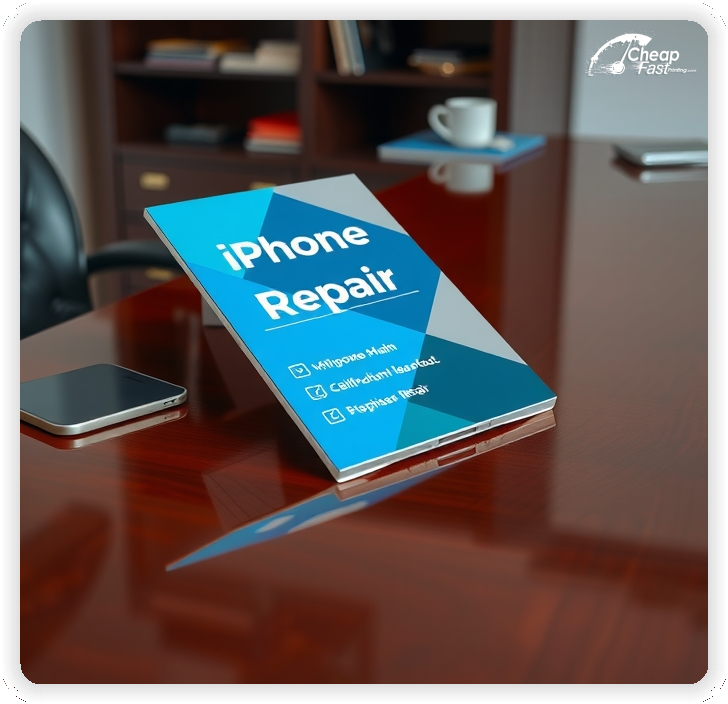


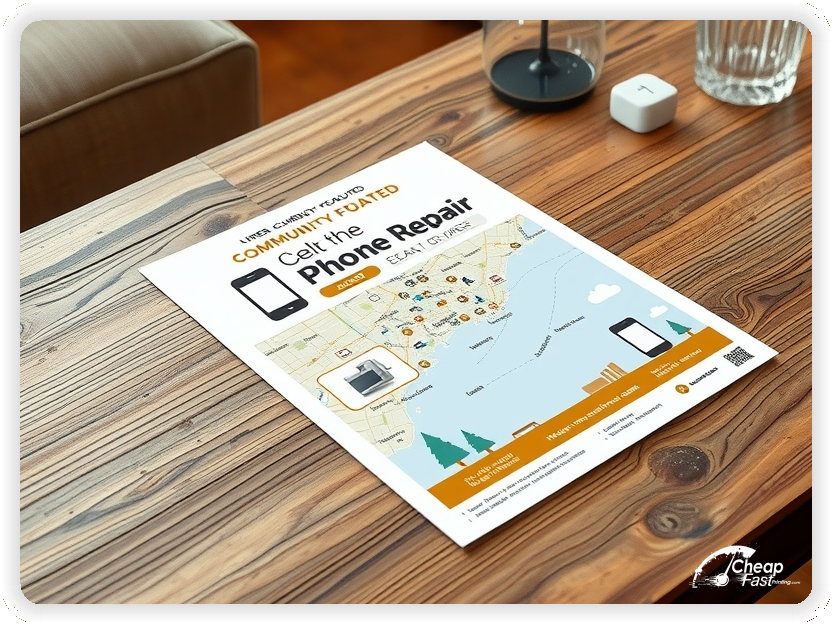
Trust is the biggest barrier. Strong cell phone repair flyers answer three questions immediately: Can you fix my specific phone? How much will it cost? How fast is it?
6x6 custom flyers are the perfect size for tech. They are modern, square (like an app icon), and stand out from standard letter-sized junk mail.
This size is ideal for counter stacks at coffee shops or handing out on campuses. It's large enough for a clear price list but small enough to fit in a pocket or bag, which is crucial for mobile customers.
Tech customers expect a premium feel. Glossy paper flyers are essential because they make screen colors pop and glass look shiny and new in photos.
Using 100lb gloss cover paper adds stiffness and durability. A flimsy flyer suggests cheap parts; a thick, glossy flyer suggests quality components and professional service.
Don't hide your prices. A clear "Starting At" price list for common models (iPhone, Samsung, Pixel) builds trust instantly. If you are competitive, flaunt it.
If prices fluctuate, use a QR code labeled "Scan for Today's Lowest Prices" to keep the flyer relevant longer.
Customers worry about their data and part quality. Add a prominent badge: "Lifetime Warranty on Parts" or "Data Privacy Guaranteed."
Mentioning "Same Day Service" or "While You Wait" is also a massive trust signal for people who can't live without their phones.
Cell phone repair handouts work best where accidents happen or where people wait. Target:
Low-risk offers work best. "Free Tempered Glass with Screen Repair" has high perceived value but low cost to you.
"$10 Off Any Repair" or "Student Discount" are also effective standard offers.
Use a QR code to link directly to an appointment booking page or an instant quote calculator. This captures the customer who might be browsing the flyer after hours.
Your flyer has about 3 seconds to make an impression before it's tossed or kept. Don't bury the lead. Ensure your main headline and primary offer are visible from arm's length. Use high-contrast colors and bold typography to guide the eye exactly where you want it.
Target the Right Neighborhoods: Success isn't just about design; it's about distribution. Focus your efforts on neighborhoods that match your ideal customer profile. For local businesses, a tight radius around your location often yields the highest ROI.
Upload your artwork and get custom cell phone repair flyers that drive walk-ins immediately.
We check every file to ensure your prices are readable and your photos look sharp.
We ensure your glossy paper flyers look as professional as your repairs.
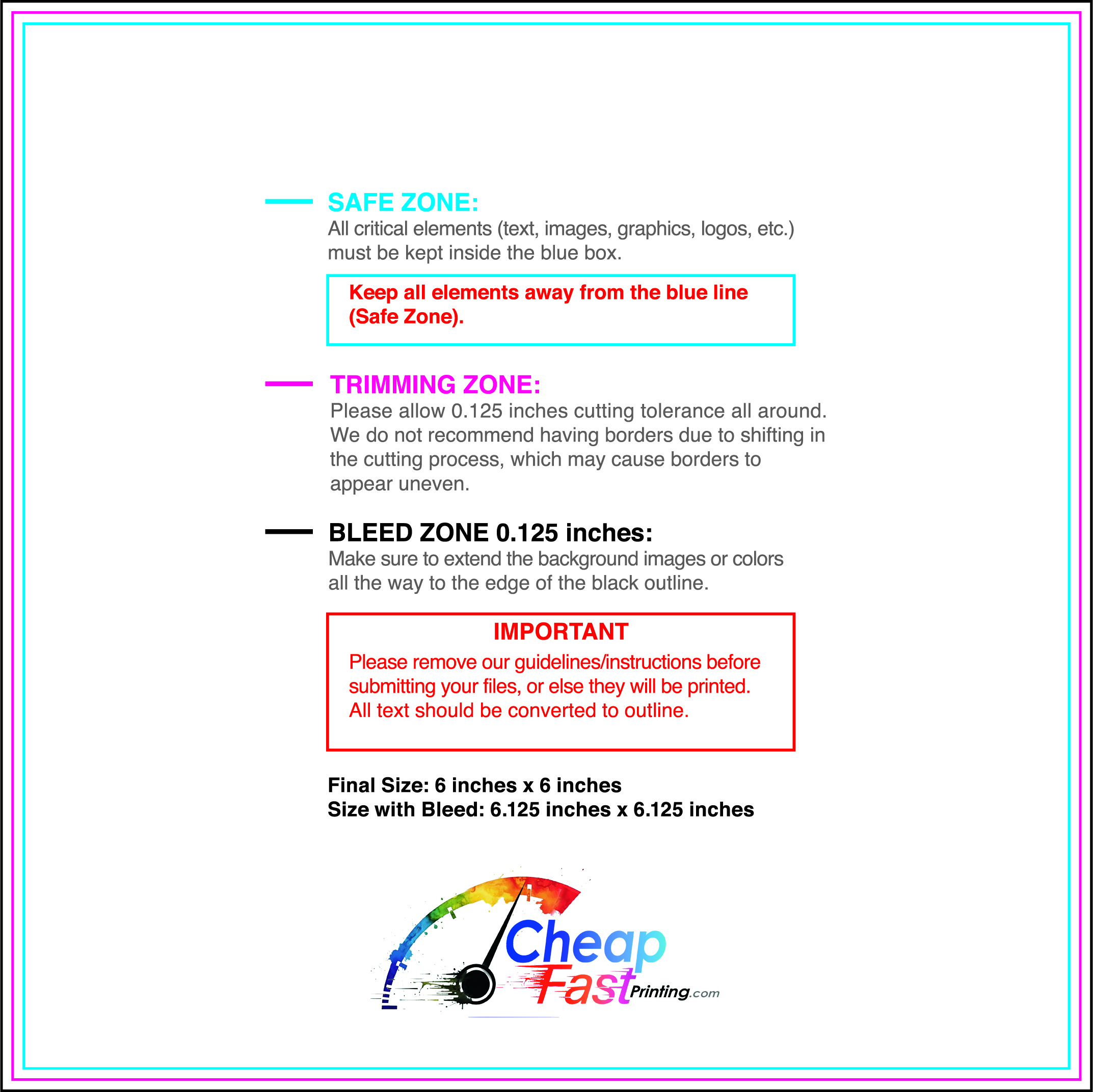
Use our 6x6 templates to keep your design safe from trimming errors.
Our templates ensure your price list and contact info stay within the safe zone.
Correct formatting ensures your QR codes scan perfectly every time.
Loading Free Editable Designs...
Please wait while we prepare the template library.
Don't just look at print cost; look at ROI. A single iPhone screen repair can pay for a small batch of flyers.
High-quality 100lb gloss cover paper builds the trust needed to command higher repair prices.
Consistent marketing brings steady walk-ins, reducing the feast-or-famine cycle of repair shops.
Use one clear headline, one offer, and one primary CTA (call, scan, or order). Add the essentials: phone, website/QR, service area, hours (if relevant), and a trust signal like years in business or a short review snippet.
Keep the layout scannable: one hero image or icon, short bullets, and high-contrast CTA text that’s readable at arm’s length.
Yes. 6" x 6" balances visibility and readability without feeling cramped. It gives enough space for a strong headline, a benefits list, and a CTA while staying easy to hand out or place on counters and boards.
Prioritize spacing and hierarchy over extra copy so the main message lands in 3–5 seconds.
100 lb. Gloss Cover with Gloss affects how the flyer feels and how colors read. Gloss tends to boost color and photos, matte reduces glare and feels more premium for text-heavy layouts, and uncoated is great for writing on.
If your design uses lots of fine text, choose clarity and contrast first; paper upgrades won’t fix a crowded layout.
100 works well when you want consistent visibility across multiple placements (counters, boards, partner locations, events) over a few weeks. Bulk also lowers unit cost so you can test a message and keep the winner running.
Track performance, then reprint the best offer instead of changing everything at once.
If price is your main hook, feature one simple offer (“ off” or “Starting at ) and keep the fine print minimal. If you have variable pricing, use a short value statement and send details to a landing page.
A clean offer + simple CTA typically outperforms a long price list.
Use a QR code to a dedicated landing page and add UTM tags for each route or partner. Track scans, form fills, and calls to identify the placements that actually convert.
For non-QR audiences, include a short, memorable URL or a trackable phone extension.
Start where your customers already are: complementary businesses, community boards, local events, and targeted neighborhoods. Ask partners for the most visible spot and refresh before your flyer gets buried.
Use a consistent route and restock winners; small, repeated placements usually beat one big drop.
Submit a print-ready PDF (CMYK) at 300 DPI with 0.125" bleed and safe margins around important text. Keep thin lines above 0.5 pt and make QR codes at least ~0.8" square for reliable scanning.
Use vector logos when possible and limit your fonts to maintain a clean, professional look.
Request a proof so you can confirm spelling, margins, and QR/URL accuracy before production. Proofing is the easiest way to prevent expensive reprints.
Double-check phone numbers and offer terms first—those are the most common issues.
Match your flyer headline and offer to the landing page headline so visitors feel they’re in the right place. Keep the CTA consistent and make the page fast to load and easy to complete on mobile.
If you run ads, retarget QR visitors with the same offer to improve conversions.
Start with 100 quick flyers to test a new neighborhood or offer.
Once you find a winning location, switch to bulk flyer printing to lower your cost per piece significantly.
Keep a stack of handouts at your front desk for customers to take for friends and family.