

GSM — grams per square meter — is the universal metric measurement of paper weight, and it is the most reliable way to specify flyer paper across different paper types that use confusingly incompatible US weight designations. The same “100lb” designation can refer to dramatically different actual thicknesses depending on whether you are talking about text paper, book paper, or cover paper. GSM eliminates this confusion entirely.
Understanding GSM is the difference between ordering confidently and being surprised when your flyers arrive thinner than expected. This guide provides the complete numeric roadmap for flyer paper weights — from the minimum acceptable standard for professional marketing through to the luxury cardstock range used for premium brand collateral.
The GSM Scale: Every Flyer Paper Weight Visualized
Slide to any GSM value and instantly see the paper specification, equivalent US weight, feel descriptor, and recommended use case.

The 150gsm Standard: Why It Is the Professional Benchmark
Across the wholesale printing industry globally, 150gsm (100lb Gloss Book) has become the de facto standard for professional marketing flyers. This convergence occurred for very practical reasons: 150gsm is thick enough to communicate quality when held but thin enough that it folds without cracking under normal handling. It accepts UV coating flawlessly, producing the vivid color saturation that makes professionally printed flyers recognizable as different from home printer output. And it hits the most economical point on the cost curve — heavier paper costs more per pound of paper consumed in production.
For the vast majority of small business marketing flyers — restaurant promotions, event announcements, retail campaigns, real estate listings, service provider advertising — 150gsm (100lb Gloss with UV) is the correct specification. It is not a compromise. It is the professional optimum.
GSM vs Coating: What Actually Affects Print Quality?
A common misconception is that heavier paper automatically produces better print quality. This is incorrect. Print quality is primarily a function of surface coating — not paper weight. An uncoated 235gsm cardstock will print noticeably less vibrantly than a UV-coated 150gsm paper because ink absorbs into the uncoated surface reducing color saturation and sharpness.
The highest-quality flyer prints achieve both: premium weight (150–260gsm) AND UV gloss coating. This combination delivers maximum color depth, tactile quality, and perceived brand value simultaneously. When budget forces a choice between weight upgrade and coating quality, prioritize UV coating on standard weight for most marketing applications.
| GSM | US Weight | Coating Type | Result |
|---|---|---|---|
| 150gsm | 100lb Gloss | UV Gloss | 🏆 Best for most flyers: vibrant + professional |
| 150gsm | 100lb Matte | Matte | ✅ Corporate/text-heavy: soft, glareless |
| 235gsm | 14pt Cardstock | UV Gloss | 🏆 Premium flyers: vibrant + rigid + premium |
| 235gsm | 14pt Cardstock | Matte | ✅ Luxury matte: refined, sophisticated |
| 120gsm | 80lb Gloss | Gloss | 💡 Economy: acceptable colors, thinner |
| 75gsm | 20lb Copy | None | ❌ Not suitable for professional marketing |
When to Use 235gsm+ Cardstock for Flyers
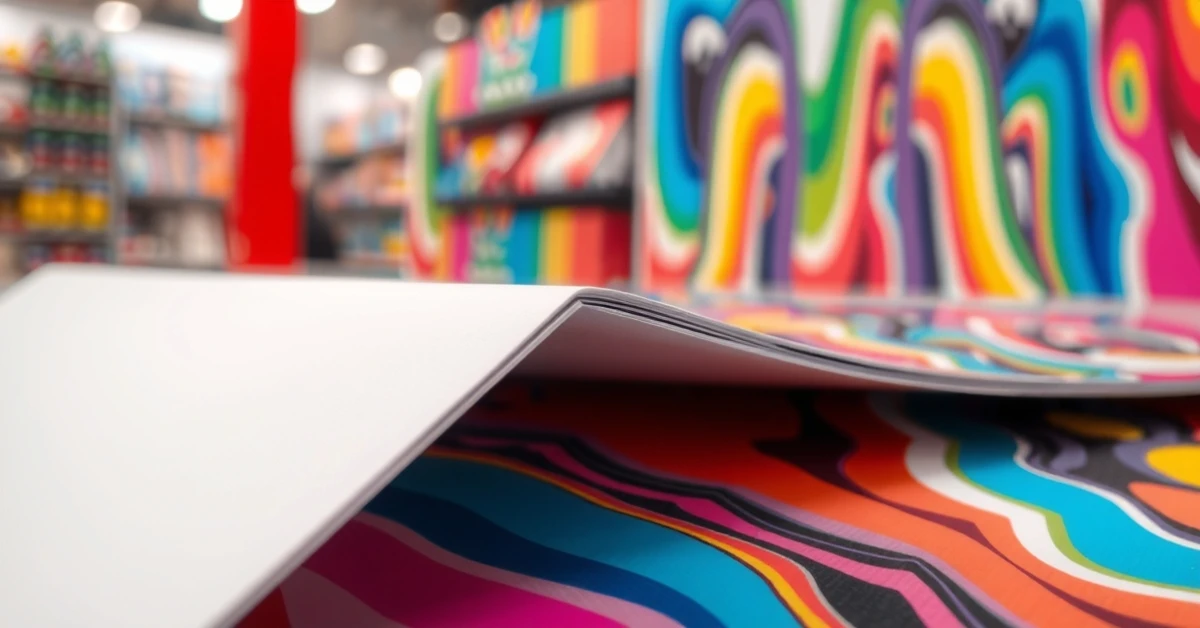
Moving from 150gsm to 235gsm is the most perceptible single material upgrade available in flyer printing. The difference is immediately apparent in the hand: the flyer no longer bends, its corners remain crisp after handling, and it projects a sense of permanence that the recipient unconsciously attributes to the brand. There are specific contexts where this upgrade is not just an enhancement — it is a strategic necessity:
- Real Estate Property Sheets: Buyers associate the quality of the property information with the quality of the property. A flimsy printout for a $600,000 house is a brand mistake.
- Restaurant Menus & Wine Cards: Menus handled repeatedly by customers must resist bending, grease, and moisture. 235gsm+ is the minimum for in-table placard-style menus.
- Luxury Brand Campaigns: Jewelry, luxury vehicles, high-end hospitality, and cosmetics all benefit from cardstock weight that physically communicates premium positioning.
- Trade Show Materials: Cards and flyers at trade shows are compared directly with competitors'. Premium thickness creates a memorable tactile differentiation that persists beyond the booth visit.
Browse 6 GSM-Specific Flyer Formats