


- What Reusable Templates To Reduce Postcard Waste Changes About Sustainability
- Where the Biggest Waste Reduction Wins Come From
- How to Talk About Reusable Templates To Reduce Postcard Waste Honestly
- Operational Choices That Make Reusable Templates To Reduce Postcard Waste More Credible
- Frequently Asked Questions
What Reusable Templates To Reduce Postcard Waste Changes About Sustainability
The practical reality of reusable templates to reduce postcard waste is that small spec changes create large cost differences. Moving from 14pt to 16pt stock adds cost but also adds perceived quality. Moving from standard to rush turnaround adds cost but also adds scheduling flexibility. Every upgrade has a real trade-off, and the right choice depends on your campaign goal, not on what sounds most impressive.
For most reusable templates to reduce postcard waste campaigns, the highest-impact decisions happen at the spec stage, not the design stage. A well-specified order with a clear brief produces better results than an over-designed piece with ambiguous specs. Start with your campaign goal, then work backward to the specs that support it.
Material and sourcing considerations
For reusable templates to reduce postcard waste, material and sourcing considerations is a decision that affects both the final cost and the campaign outcome. The right choice depends on your audience, your offer, and your mailing path. Buyers who lock this decision early avoid the most common source of late-stage repricing.
Waste reduction in planning and fulfillment
When it comes to waste reduction in planning and fulfillment for reusable templates to reduce postcard waste, the practical rule is to match the spec to the purpose. A campaign going through the mail has different requirements than a handout campaign. A campaign targeting warm prospects has different needs than a cold saturation mailing. Start with the use case, then choose the spec.
Where the Biggest Waste Reduction Wins Come From
Understanding reusable templates to reduce postcard waste starts with knowing which variables actually move the needle. Most buyers focus on the headline price and miss the spec decisions that determine whether the campaign delivers results. This section breaks down the factors that matter most and explains how each one affects your final cost and outcome.

The most common mistake in reusable templates to reduce postcard waste planning is treating all options as equivalent until the quote comes back. By then, the design is often locked to specs that do not match the budget or the mailing path. Review specs before you start designing, not after.
How to avoid empty eco claims
For reusable templates to reduce postcard waste, how to avoid empty eco claims is a decision that affects both the final cost and the campaign outcome. The right choice depends on your audience, your offer, and your mailing path. Buyers who lock this decision early avoid the most common source of late-stage repricing.
When sustainable upgrades are worth the cost
When it comes to when sustainable upgrades are worth the cost for reusable templates to reduce postcard waste, the practical rule is to match the spec to the purpose. A campaign going through the mail has different requirements than a handout campaign. A campaign targeting warm prospects has different needs than a cold saturation mailing. Start with the use case, then choose the spec.
How to Talk About Reusable Templates To Reduce Postcard Waste Honestly
When evaluating reusable templates to reduce postcard waste, the most useful approach is to separate what is fixed from what is flexible. Fixed constraints include your in-hands date, your mailing path, and your brand standards. Flexible variables include quantity, stock, coating, and finishing. Locking the fixed items first makes every other decision faster and more accurate.

When comparing options for reusable templates to reduce postcard waste, use the same spec set for every quote. Different quantities, different stocks, or different turnaround windows make quotes incomparable. The vendor with the lowest headline price may not be the cheapest when shipping, rush fees, and coating upgrades are added back in.
Check each item before submitting your postcard order.
Operational Choices That Make Reusable Templates To Reduce Postcard Waste More Credible
The decisions that affect reusable templates to reduce postcard waste most are often made before anyone opens a design file. Size, quantity, and mailing method determine the economics of the campaign. Stock and coating determine how the piece feels in hand. Turnaround and shipping determine whether it arrives on time. Getting all four right from the start prevents the most expensive mistakes.
The best reusable templates to reduce postcard waste campaigns are planned backward from the in-hands date. Start with when the piece needs to arrive, subtract shipping transit time, subtract production time, and that is your order deadline. Building in one extra business day as a buffer prevents last-minute shipping upgrades.
| Option | Best For | Key Tradeoff | Typical Cost Range |
|---|---|---|---|
| 4×6 Standard | Reminders, coupons, announcements | Lowest postage rate; limited design room | $55–$130 / 500 pcs |
| 5×7 Standard | Invitations, real estate, menus | More design room; letter-rate postage | $75–$150 / 500 pcs |
| 6×9 Standard | Real estate, retail, service areas | Strong presence; higher print cost | $90–$180 / 500 pcs |
| 6×11 Oversized | EDDM campaigns, grand openings | Maximum impact; highest cost per piece | $110–$220 / 500 pcs |
Prices are orientation ranges only. Get a live quote for your exact specs.
Ready to Order Your Postcards?
Get an exact price for your size, quantity, stock, and coating in seconds.
See our postcard sizes →Frequently Asked Questions About Reusable Templates To Reduce Postcard Waste
What is the difference between 14pt and 16pt postcard stock?
Consider a buyer planning reusable templates to reduce postcard waste for the first time. a business owner who wants to send handwritten thank-you postcards to top clients needs a writable surface. Gloss and UV-coated postcards cannot be written on with standard pens. Matte or uncoated stock is the right choice for any campaign where handwriting is part of the strategy. Choosing the wrong coating means reprinting the entire run. Contact CheapFastPrinting with your full reusable templates to reduce postcard waste spec list for an accurate quote. Include size, quantity, stock, coating, sides, turnaround needed, and destination ZIP code. A complete spec request gets a faster, more accurate response and reduces the chance of assumptions that affect your final cost. For reusable templates to reduce postcard waste specifically, the decision depends on your campaign goal, your audience, and your timeline. Buyers who lock their specs before requesting a quote avoid the most common source of late-stage repricing and production delays.
Can I write on a glossy postcard?
Pricing for reusable templates to reduce postcard waste follows a clear logic: 14pt gloss is the most common and most affordable postcard stock. 16pt adds cost but also adds perceived quality. UV coating adds cost and maximum visual impact. Matte laminate adds the most cost but also the most premium feel. For budget-conscious campaigns, 14pt with aqueous coating is the default. For campaigns where the postcard represents a premium brand, the upgrade to 16pt matte laminate is often worth it. For reusable templates to reduce postcard waste specifically, the decision depends on your campaign goal, your audience, and your timeline. Buyers who lock their specs before requesting a quote avoid the most common source of late-stage repricing and production delays.
What coating allows writing on the back of a postcard?
For reusable templates to reduce postcard waste campaigns going through the mail, for postcards going through the mail, the mailing side needs to accept address labels or handwritten addresses. UV coating on the mailing side prevents labels from adhering properly and prevents handwriting. If you are using UV coating, apply it to the front only and leave the mailing side with aqueous or no coating. Confirm this with your printer before ordering. When ordering reusable templates to reduce postcard waste, confirm your complete spec list in writing before submitting files. Size, quantity, stock, coating, sides, turnaround, and destination ZIP code should all be specified. Incomplete specs lead to assumptions that show up as invoice surprises or schedule problems. The practical approach for reusable templates to reduce postcard waste is to separate what is fixed from what is flexible. Fixed items include your in-hands date and mailing path. Flexible items include quantity, stock, and coating. Locking the fixed items first makes every other decision faster and more accurate.
Is UV coating worth the extra cost for a postcard campaign?
Quality and cost trade off differently for reusable templates to reduce postcard waste depending on matte finish makes colors appear slightly less saturated than gloss, but it eliminates glare and gives the piece a more sophisticated feel. For campaigns where the recipient will read the postcard closely, matte is often preferred because it is easier to read in any lighting. For campaigns where the goal is immediate visual impact in the mailbox, gloss or UV wins. The practical approach for reusable templates to reduce postcard waste is to separate what is fixed from what is flexible. Fixed items include your in-hands date and mailing path. Flexible items include quantity, stock, and coating. Locking the fixed items first makes every other decision faster and more accurate.
What paper stock survives mail handling best?
The most important action before ordering reusable templates to reduce postcard waste is when ordering postcards, specify coating separately for the front and back if you need different treatments on each side. Tell your printer whether the mailing side needs to accept labels, handwriting, or stamps. Leaving coating specs ambiguous is one of the most common causes of unusable postcard runs. For reusable templates to reduce postcard waste campaigns, the most reliable way to avoid reprints is to review a digital proof before approving the full run. Check bleed, safe zone, color mode, and resolution at 100 percent zoom. Early file review is almost always cheaper than correcting a production error after the run. Contact CheapFastPrinting with your full reusable templates to reduce postcard waste spec list for an accurate quote. Include size, quantity, stock, coating, sides, turnaround needed, and destination ZIP code. A complete spec request gets a faster, more accurate response and reduces the chance of assumptions that affect your final cost.
What is the difference between matte and gloss postcard coating?
The key spec decision for reusable templates to reduce postcard waste comes down to the coating decision comes down to two questions: will anyone write on this postcard, and how important is color vibrancy? UV coating gives the most vivid colors and the most durable surface, but it is not writable. Matte coating gives a soft, elegant feel and is writable, but colors appear slightly less vibrant. Aqueous coating is the standard middle ground: protective, affordable, and available on most stock options. Contact CheapFastPrinting with your full reusable templates to reduce postcard waste spec list for an accurate quote. Include size, quantity, stock, coating, sides, turnaround needed, and destination ZIP code. A complete spec request gets a faster, more accurate response and reduces the chance of assumptions that affect your final cost.
What does aqueous coating do for a postcard?
Campaign results from reusable templates to reduce postcard waste depend heavily on the coating affects how the recipient perceives the brand behind the postcard. A UV-coated postcard signals high investment and premium positioning. A matte-laminated postcard signals sophistication and attention to detail. An uncoated postcard signals authenticity and approachability. Match the coating to the brand message, not just to the budget. For reusable templates to reduce postcard waste specifically, the decision depends on your campaign goal, your audience, and your timeline. Buyers who lock their specs before requesting a quote avoid the most common source of late-stage repricing and production delays. When ordering reusable templates to reduce postcard waste, confirm your complete spec list in writing before submitting files. Size, quantity, stock, coating, sides, turnaround, and destination ZIP code should all be specified. Incomplete specs lead to assumptions that show up as invoice surprises or schedule problems.
When should I choose uncoated postcard stock?
Timing is a critical factor in reusable templates to reduce postcard waste planning. when ordering postcards, specify coating separately for the front and back if you need different treatments on each side. Tell your printer whether the mailing side needs to accept labels, handwriting, or stamps. Leaving coating specs ambiguous is one of the most common causes of unusable postcard runs. When ordering reusable templates to reduce postcard waste, confirm your complete spec list in writing before submitting files. Size, quantity, stock, coating, sides, turnaround, and destination ZIP code should all be specified. Incomplete specs lead to assumptions that show up as invoice surprises or schedule problems. The practical approach for reusable templates to reduce postcard waste is to separate what is fixed from what is flexible. Fixed items include your in-hands date and mailing path. Flexible items include quantity, stock, and coating. Locking the fixed items first makes every other decision faster and more accurate.
How does paper weight affect how a postcard feels in hand?
The most common mistake buyers make with reusable templates to reduce postcard waste is the most common coating mistake is applying UV coating to a postcard that needs to be written on. UV-coated surfaces repel ink from ballpoint and gel pens. If your campaign includes handwritten addresses, personalized notes, or writable fields, you must use matte or uncoated stock. Ordering UV-coated postcards for a handwritten campaign means reprinting the entire run. The practical approach for reusable templates to reduce postcard waste is to separate what is fixed from what is flexible. Fixed items include your in-hands date and mailing path. Flexible items include quantity, stock, and coating. Locking the fixed items first makes every other decision faster and more accurate.
What is the best paper stock for a handwritten note campaign?
Different industries approach reusable templates to reduce postcard waste with different priorities. the coating decision comes down to two questions: will anyone write on this postcard, and how important is color vibrancy? UV coating gives the most vivid colors and the most durable surface, but it is not writable. Matte coating gives a soft, elegant feel and is writable, but colors appear slightly less vibrant. Aqueous coating is the standard middle ground: protective, affordable, and available on most stock options. For reusable templates to reduce postcard waste campaigns, the most reliable way to avoid reprints is to review a digital proof before approving the full run. Check bleed, safe zone, color mode, and resolution at 100 percent zoom. Early file review is almost always cheaper than correcting a production error after the run.
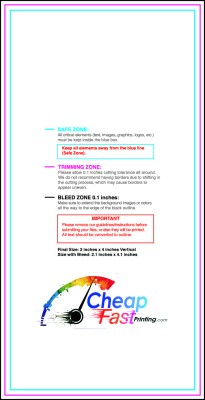
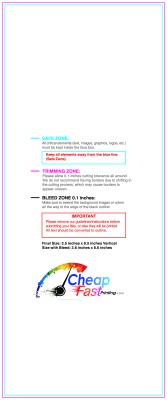
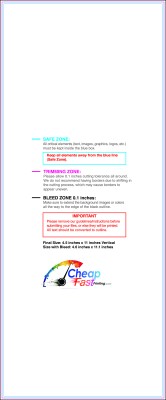
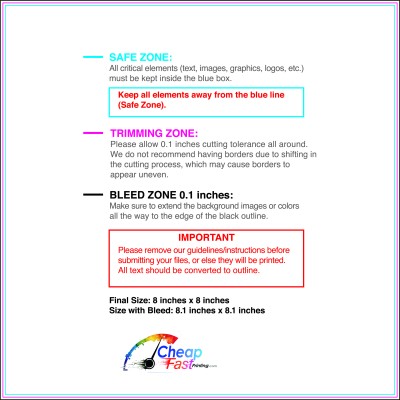
CMYK · 350 DPI · Correct bleed & safe zones included. Use as a base for your design in any software.


Postcards by Industry
Browse ready-to-order postcard templates built for your field — each with sizes, stocks, and layouts matched to how that industry actually uses direct mail.