

What Barcode Requirements For Postcards Means in Real Mailing Terms
Understanding barcode requirements for postcards starts with knowing which variables actually move the needle. Most buyers focus on the headline price and miss the spec decisions that determine whether the campaign delivers results. This section breaks down the factors that matter most and explains how each one affects your final cost and outcome.
The most common mistake in barcode requirements for postcards planning is treating all options as equivalent until the quote comes back. By then, the design is often locked to specs that do not match the budget or the mailing path. Review specs before you start designing, not after.
Addressing and postage basics
When it comes to addressing and postage basics for barcode requirements for postcards, the practical rule is to match the spec to the purpose. A campaign going through the mail has different requirements than a handout campaign. A campaign targeting warm prospects has different needs than a cold saturation mailing. Start with the use case, then choose the spec.
Automation and handling considerations
The most important thing to understand about automation and handling considerations in the context of barcode requirements for postcards is that it interacts with other decisions. Changing one spec often requires adjusting another. Review all related specs together before finalizing your order to avoid surprises at production.
Rules and Layout Standards to Follow
When evaluating barcode requirements for postcards, the most useful approach is to separate what is fixed from what is flexible. Fixed constraints include your in-hands date, your mailing path, and your brand standards. Flexible variables include quantity, stock, coating, and finishing. Locking the fixed items first makes every other decision faster and more accurate.
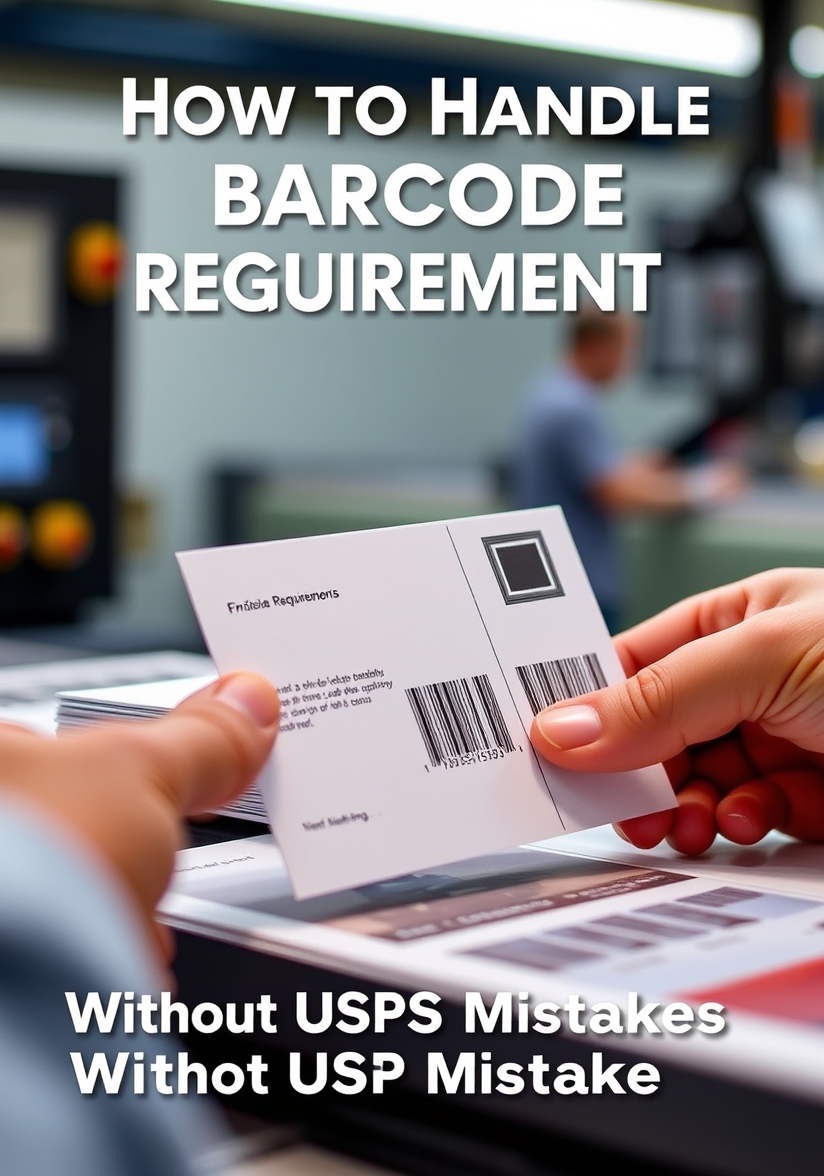
When comparing options for barcode requirements for postcards, use the same spec set for every quote. Different quantities, different stocks, or different turnaround windows make quotes incomparable. The vendor with the lowest headline price may not be the cheapest when shipping, rush fees, and coating upgrades are added back in.
List quality and delivery accuracy
When it comes to list quality and delivery accuracy for barcode requirements for postcards, the practical rule is to match the spec to the purpose. A campaign going through the mail has different requirements than a handout campaign. A campaign targeting warm prospects has different needs than a cold saturation mailing. Start with the use case, then choose the spec.
When to use a mail house or printer support
The most important thing to understand about when to use a mail house or printer support in the context of barcode requirements for postcards is that it interacts with other decisions. Changing one spec often requires adjusting another. Review all related specs together before finalizing your order to avoid surprises at production.
Mistakes That Trigger Delays or Extra Cost
The decisions that affect barcode requirements for postcards most are often made before anyone opens a design file. Size, quantity, and mailing method determine the economics of the campaign. Stock and coating determine how the piece feels in hand. Turnaround and shipping determine whether it arrives on time. Getting all four right from the start prevents the most expensive mistakes.
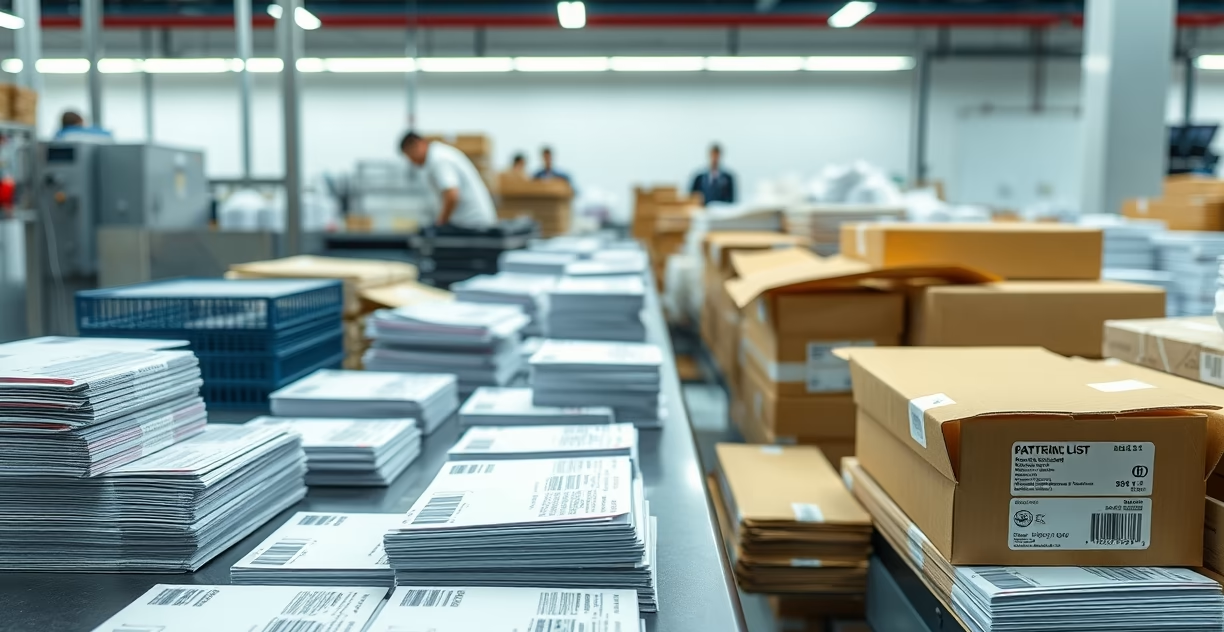
The best barcode requirements for postcards campaigns are planned backward from the in-hands date. Start with when the piece needs to arrive, subtract shipping transit time, subtract production time, and that is your order deadline. Building in one extra business day as a buffer prevents last-minute shipping upgrades.
Check each item before submitting your postcard order.
How to Make Barcode Requirements For Postcards Operationally Safer
Buyers who get the best results from barcode requirements for postcards campaigns share one habit: they write down their complete spec list before requesting a quote. Size, quantity, stock, coating, sides, turnaround, and destination ZIP code. When all of these are locked in writing, quotes become comparable, production runs smoothly, and the final piece matches expectations.
Quality in barcode requirements for postcards is not just about the paper or the coating. It is about whether the piece communicates clearly, arrives on time, and represents the brand accurately. A 14pt gloss postcard with a strong offer and a clean design will outperform a 16pt UV postcard with a cluttered layout and a weak call to action every time.
| Option | Best For | Key Tradeoff | Typical Cost Range |
|---|---|---|---|
| 4×6 Standard | Reminders, coupons, announcements | Lowest postage rate; limited design room | $55–$130 / 500 pcs |
| 5×7 Standard | Invitations, real estate, menus | More design room; letter-rate postage | $75–$150 / 500 pcs |
| 6×9 Standard | Real estate, retail, service areas | Strong presence; higher print cost | $90–$180 / 500 pcs |
| 6×11 Oversized | EDDM campaigns, grand openings | Maximum impact; highest cost per piece | $110–$220 / 500 pcs |
Prices are orientation ranges only. Get a live quote for your exact specs.
Ready to Order Your Postcards?
Get an exact price for your size, quantity, stock, and coating in seconds.
Read our postcard guide →Frequently Asked Questions About Barcode Requirements For Postcards
What is EDDM and how does it work for small businesses?
Consider a buyer planning barcode requirements for postcards for the first time. a new restaurant opening in a neighborhood wants to reach every household within a two-mile radius without buying a mailing list. EDDM is the right tool for this. It delivers to every address on selected carrier routes at a flat rate per piece, with no list required. The tradeoff is that you cannot target specific demographics — you reach everyone on the route. For barcode requirements for postcards specifically, the decision depends on your campaign goal, your audience, and your timeline. Buyers who lock their specs before requesting a quote avoid the most common source of late-stage repricing and production delays. When ordering barcode requirements for postcards, confirm your complete spec list in writing before submitting files. Size, quantity, stock, coating, sides, turnaround, and destination ZIP code should all be specified. Incomplete specs lead to assumptions that show up as invoice surprises or schedule problems.
What size postcard qualifies for EDDM?
Pricing for barcode requirements for postcards follows a clear logic: eDDM postage is charged per piece at a flat rate, regardless of destination. The total mailing cost depends on how many routes you select and how many addresses are on those routes. EDDM is typically cheaper per piece than First-Class targeted mail, but you pay for every address on the route whether or not they are your ideal customer. For broad awareness campaigns, EDDM usually wins on cost. For precision targeting, a purchased list with First-Class mail may deliver better ROI. When ordering barcode requirements for postcards, confirm your complete spec list in writing before submitting files. Size, quantity, stock, coating, sides, turnaround, and destination ZIP code should all be specified. Incomplete specs lead to assumptions that show up as invoice surprises or schedule problems.
How do I choose which carrier routes to target with EDDM?
For barcode requirements for postcards campaigns going through the mail, eDDM postcards must include a valid EDDM indicia in the upper right corner of the address side, a return address, and a clear zone at the bottom of the address side for USPS barcode scanning. The clear zone must be free of all text and images. Missing any of these elements will cause your mailing to be rejected at the post office. The practical approach for barcode requirements for postcards is to separate what is fixed from what is flexible. Fixed items include your in-hands date and mailing path. Flexible items include quantity, stock, and coating. Locking the fixed items first makes every other decision faster and more accurate. For barcode requirements for postcards campaigns, the most reliable way to avoid reprints is to review a digital proof before approving the full run. Check bleed, safe zone, color mode, and resolution at 100 percent zoom. Early file review is almost always cheaper than correcting a production error after the run.
What is the difference between EDDM and targeted direct mail?
Quality and cost trade off differently for barcode requirements for postcards depending on the most common EDDM mistake is designing a postcard that does not meet USPS size requirements and then discovering the error after printing. EDDM requires a minimum size of 6.125 × 11 inches. A 4×6 or 5×7 postcard does not qualify. Always confirm your postcard dimensions against current USPS EDDM requirements before sending files to print. For barcode requirements for postcards campaigns, the most reliable way to avoid reprints is to review a digital proof before approving the full run. Check bleed, safe zone, color mode, and resolution at 100 percent zoom. Early file review is almost always cheaper than correcting a production error after the run.
How much does EDDM postage cost per piece?
The most important action before ordering barcode requirements for postcards is to start an EDDM campaign, select your carrier routes using the USPS EDDM mapping tool at usps.com, then order postcards that meet the minimum size requirement. Bundle your postcards in groups of 50 to 100 with a facing slip and drop them off at the post office serving the selected routes. Your printer can provide more specific bundling instructions. Contact CheapFastPrinting with your full barcode requirements for postcards spec list for an accurate quote. Include size, quantity, stock, coating, sides, turnaround needed, and destination ZIP code. A complete spec request gets a faster, more accurate response and reduces the chance of assumptions that affect your final cost. For barcode requirements for postcards specifically, the decision depends on your campaign goal, your audience, and your timeline. Buyers who lock their specs before requesting a quote avoid the most common source of late-stage repricing and production delays.
What must appear on the mailing side of an EDDM postcard?
The key spec decision for barcode requirements for postcards comes down to eDDM requires a postcard that is at least 6.125 × 11 inches. This means your design must work at a larger format. The minimum size requirement is a feature, not a bug — larger postcards get more attention in the mailbox. But the larger size also means higher print cost per piece, so factor that into your campaign budget alongside the postage. For barcode requirements for postcards specifically, the decision depends on your campaign goal, your audience, and your timeline. Buyers who lock their specs before requesting a quote avoid the most common source of late-stage repricing and production delays. When ordering barcode requirements for postcards, confirm your complete spec list in writing before submitting files. Size, quantity, stock, coating, sides, turnaround, and destination ZIP code should all be specified. Incomplete specs lead to assumptions that show up as invoice surprises or schedule problems.
How long does it take for EDDM postcards to be delivered after drop-off?
Campaign results from barcode requirements for postcards depend heavily on eDDM works best for businesses with a broad local customer base: restaurants, home services, retail stores, and healthcare practices. It is less effective for businesses with a narrow target demographic because you cannot filter by age, income, or household type. If your ideal customer is a specific type of person rather than a specific geography, targeted direct mail with a purchased list will likely outperform EDDM. When ordering barcode requirements for postcards, confirm your complete spec list in writing before submitting files. Size, quantity, stock, coating, sides, turnaround, and destination ZIP code should all be specified. Incomplete specs lead to assumptions that show up as invoice surprises or schedule problems.
Can I use EDDM to target specific neighborhoods?
Timing is a critical factor in barcode requirements for postcards planning. eDDM delivery typically takes 3 to 7 business days after drop-off at the post office, depending on the routes selected and local postal volume. Add your print production time and shipping time to the post office to calculate your total in-hands timeline. For a campaign with a specific event date, work backward from the delivery date and order at least 2 weeks in advance. The practical approach for barcode requirements for postcards is to separate what is fixed from what is flexible. Fixed items include your in-hands date and mailing path. Flexible items include quantity, stock, and coating. Locking the fixed items first makes every other decision faster and more accurate.
What is the minimum quantity for an EDDM mailing?
The most common mistake buyers make with barcode requirements for postcards is the most common EDDM mistake is designing a postcard that does not meet USPS size requirements and then discovering the error after printing. EDDM requires a minimum size of 6.125 × 11 inches. A 4×6 or 5×7 postcard does not qualify. Always confirm your postcard dimensions against current USPS EDDM requirements before sending files to print. For barcode requirements for postcards campaigns, the most reliable way to avoid reprints is to review a digital proof before approving the full run. Check bleed, safe zone, color mode, and resolution at 100 percent zoom. Early file review is almost always cheaper than correcting a production error after the run. Contact CheapFastPrinting with your full barcode requirements for postcards spec list for an accurate quote. Include size, quantity, stock, coating, sides, turnaround needed, and destination ZIP code. A complete spec request gets a faster, more accurate response and reduces the chance of assumptions that affect your final cost.
How do I prepare a mailing list for targeted postcard campaigns?
Different industries approach barcode requirements for postcards with different priorities. eDDM requires a postcard that is at least 6.125 × 11 inches. This means your design must work at a larger format. The minimum size requirement is a feature, not a bug — larger postcards get more attention in the mailbox. But the larger size also means higher print cost per piece, so factor that into your campaign budget alongside the postage. Contact CheapFastPrinting with your full barcode requirements for postcards spec list for an accurate quote. Include size, quantity, stock, coating, sides, turnaround needed, and destination ZIP code. A complete spec request gets a faster, more accurate response and reduces the chance of assumptions that affect your final cost.
What is the clear zone on a postcard and why does it matter?
A second scenario worth examining for barcode requirements for postcards: a new restaurant opening in a neighborhood wants to reach every household within a two-mile radius without buying a mailing list. EDDM is the right tool for this. It delivers to every address on selected carrier routes at a flat rate per piece, with no list required. The tradeoff is that you cannot target specific demographics — you reach everyone on the route. For barcode requirements for postcards specifically, the decision depends on your campaign goal, your audience, and your timeline. Buyers who lock their specs before requesting a quote avoid the most common source of late-stage repricing and production delays. When ordering barcode requirements for postcards, confirm your complete spec list in writing before submitting files. Size, quantity, stock, coating, sides, turnaround, and destination ZIP code should all be specified. Incomplete specs lead to assumptions that show up as invoice surprises or schedule problems.
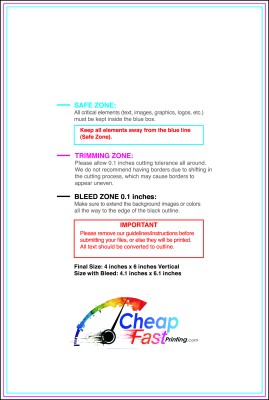
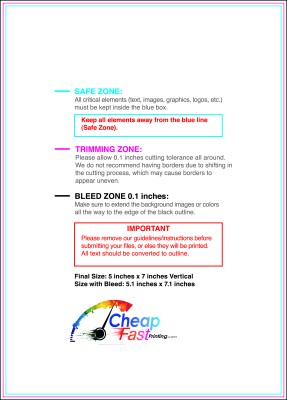
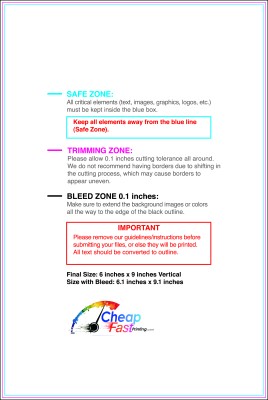
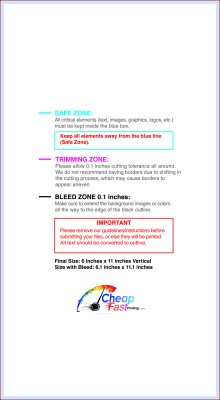
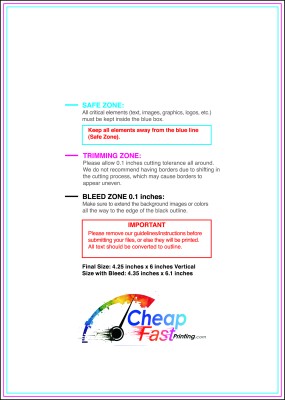
CMYK · 350 DPI · Correct bleed & safe zones included. Use as a base for your design in any software.

Postcards by Industry
Browse ready-to-order postcard templates built for your field — each with sizes, stocks, and layouts matched to how that industry actually uses direct mail.