


Limited-Time Offer: Order 1,000 Premium Flyers with Complimentary Shipping Through 2026Published January 15, 2026 | Last Updated January 15, 2026
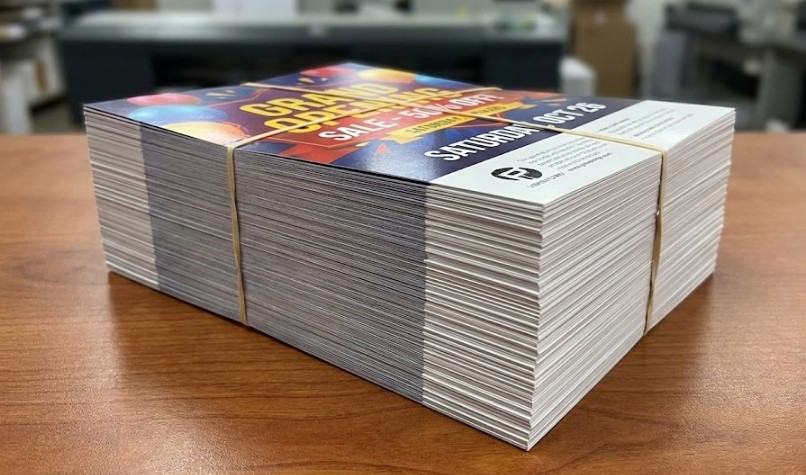
Balancing a tight marketing budget without sacrificing quality is a primary challenge for growing businesses. While digital advertising often dominates the conversation, experienced marketers understand that tangible promotional materials continue to deliver exceptional returns. The key lies in securing bulk quantities—such as standard 1,000-piece runs—at price points that protect your bottom line while ensuring you have enough inventory to make an impact.
Whether you’re launching a new restaurant, promoting a community event, or building awareness for your startup, the combination of affordable bulk pricing and complimentary delivery creates an opportunity that’s hard to ignore. Beyond the immediate cost savings, ordering in substantial quantities ensures you’ll have marketing materials ready whenever opportunity knocks, rather than scrambling at the last minute with expensive rush orders.
This comprehensive guide walks you through everything you need to know about securing high-quality flyers at prices that won’t drain your marketing budget. We’ll explore why bulk orders make financial sense, how to design materials that actually convert, and most importantly, how to take advantage of limited-time offers that include shipping at no additional cost—a deal that ends when 2026 comes to a close.
Why Flyer Marketing Delivers Consistent Results
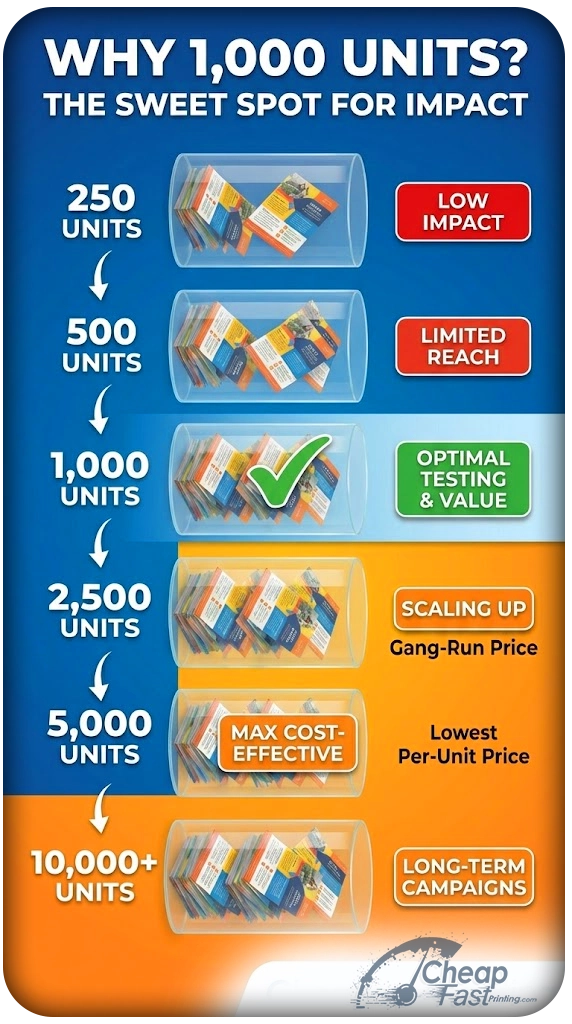
Comparing Flyer Effectiveness by Print Quantity
Recent industry research reveals something that might surprise digital-first marketers: 88% of consumers report they understand and retain information better when reading print on paper. This isn’t nostalgia talking—it’s neuroscience.
Consider the customer journey for a moment. Online advertisements vanish the second someone swipes to the next post, but a well-designed flyer can sit on a kitchen counter for weeks, serving as a persistent reminder of your business. This extended shelf life transforms a single marketing investment into multiple brand impressions over time. In fact, studies tracking household behavior found that 79% of households actually glance at their advertising mail, including promotional flyers that arrive in their mailbox.
The Tangible Advantage: Print vs. Digital Engagement
The printing industry has evolved remarkably since the pandemic disrupted traditional supply chains. While some predicted the death of print media, the opposite happened. Market analysts forecast the global print industry will reach $834.3 billion by 2026, driven largely by packaging and promotional materials like flyers that bridge physical and digital marketing channels.
Artificial intelligence now powers multiple aspects of modern printing operations, from automated quality control to predictive inventory management. For customers, this translates into faster turnaround times, fewer errors, and more consistent quality. Print shops using AI-driven systems report 20% reductions in downtime and significantly improved color accuracy across runs—meaning your entire batch maintains professional quality from the first piece to the thousandth.
The Economics of Bulk Flyer Orders
Anyone who’s priced printing services knows that quantity dramatically affects your per-unit cost. The difference between ordering 250 flyers and 1,000 flyers isn’t just about volume—it’s about leveraging production efficiencies that can cut your cost per piece by more than half. When print shops set up their equipment, whether it’s offset presses or modern digital systems, the setup time remains relatively constant regardless of whether they’re producing 100 pieces or 10,000.
This is precisely why ordering in the 1,000-unit range represents such a strategic advantage. At this quantity, you hit the “sweet spot” where economies of scale reduce the unit price significantly, yet you aren’t overstocking materials that might become outdated before distribution. Current market rates show that ordering a larger batch can drop the cost per piece to nearly half that of smaller runs—a savings that compounds further when you locate a printer that waives delivery fees for bulk orders.
Breaking Down Your True Cost Per Contact
Smart marketers don’t just look at printing costs—they calculate cost per contact and potential return on investment across all available channels. While direct mail pieces that include postage might run $1.26 to $1.71 per contact, hand-distributed flyers dramatically lower this metric. When you’re paying just pennies per flyer with shipping included, suddenly reaching 1,000 potential customers becomes remarkably affordable.
The financial advantage extends beyond the obvious. Ordering in bulk means you’re prepared for spontaneous marketing opportunities without the stress of expedited production charges. Community events pop up with little notice, partnerships emerge unexpectedly, and having professional materials ready to deploy can mean the difference between capturing an opportunity and watching it slip away while you wait for a rush order.
Choosing Materials That Make an Impression
The quality of your paper stock speaks volumes about your brand before anyone reads a single word. When evaluating affordable printing options, it is crucial to remember that low cost should not equate to low quality. Professional print companies typically offer a range of paper weights and finishes, each serving different marketing objectives and creating distinct tactile experiences that influence how your customer perceives your business.
Standard Paper Options Explained
80 lb. gloss book stock represents the most popular choice for general-purpose flyer campaigns. This weight strikes an ideal balance—substantial enough to feel professional when someone picks it up, yet light enough to keep both printing and mailing costs reasonable. The glossy finish enhances color vibrancy, making photographs and graphics pop in ways that matte finishes simply can’t match. This becomes particularly important for restaurants showcasing food imagery or retail businesses displaying product photography.
For campaigns demanding extra durability, 100 lb. glossy paper adds noticeable heft without dramatically increasing costs. This thickness prevents the transparency that can occur with lighter stocks when holding the flyer up to light, and it withstands handling better during high-traffic distribution scenarios like trade shows or busy retail environments. The additional weight communicates premium quality, which can reinforce positioning for upscale brands.
When longevity matters most, 14 pt. or 16 pt. cardstock delivers exceptional durability. These thicker options work beautifully for materials that customers might keep long-term, such as event calendars, service menus, or reference guides. While slightly more expensive per unit, the investment pays dividends when your marketing piece remains intact and readable long after thinner alternatives would have been discarded.
Finish Options That Enhance Your Message
- High-gloss UV coating creates stunning visual impact by adding a reflective sheen that catches light and draws attention. Beyond aesthetics, this protective layer adds water resistance and scratch protection, ensuring your flyers maintain their pristine appearance even after being handled repeatedly or exposed to outdoor conditions.
- Matte finishes offer sophisticated elegance for brands prioritizing subtle professionalism over flashy presentation. This option reduces glare, making text easier to read under various lighting conditions, and it accepts handwritten notes, which can be valuable for appointment cards or forms requiring customer input.
- Soft-touch lamination represents a premium finishing technique that has become the gold standard for luxury brands. This velvety surface creates a unique tactile experience that literally feels expensive in your hands, immediately elevating perceived brand value. While it increases per-piece costs, the psychological impact can justify the investment for high-end offerings.
Creating Designs That Drive Action
Even the most cost-effective printing deal means nothing if the design fails to capture attention and motivate a response. The most common mistake businesses make is not the budget they allocate to printing, but rather cramming too much information onto a single page. This creates visual chaos that overwhelms potential customers rather than informing them.
Think about how people actually interact with promotional materials. Someone walking past a community bulletin board gives each flyer perhaps three seconds of consideration. During those crucial moments, your design must instantly communicate who you are, what you’re offering, and why they should care. This doesn’t happen through dense paragraphs of text—it happens through strategic visual hierarchy that guides the eye naturally through your message.
The Critical Elements Every Effective Flyer Includes
Your headline carries more weight than every other element combined. This isn’t the place for clever wordplay that requires interpretation—clarity wins over creativity every time. The most powerful headlines directly address a problem your audience faces or highlight a benefit they desire. “Save 30% on Home Cleaning This Month” outperforms “Spring Into Savings” because it provides specific, immediate value.
Visual elements should support your message, not compete with it. One compelling image that illustrates your primary benefit beats a collage of mediocre photos fighting for attention. Restaurant flyers featuring a single, professionally photographed signature dish generate more interest than menus showing every item in thumbnail size. Quality absolutely trumps quantity when it comes to imagery.
Power Words That Increase Response Rates
Industry research tracking marketing performance identifies specific words that consistently improve engagement. Incorporating these proven terms into your copy can measurably boost results:
Free, guaranteed, proven, exclusive, limited, instant, essential, complete, ultimate, powerful
These work because they address fundamental psychological triggers—the desire for certainty, the fear of missing out, the promise of immediate results. Use them authentically to enhance your message, not manipulate your audience.
Your call to action deserves prominent placement and crystal-clear instruction. Don’t make customers guess what you want them to do next. “Visit us this weekend for your free consultation” works infinitely better than a vague “Contact us to learn more.” Specificity reduces friction and increases follow-through. If you want them to call, make your phone number the largest text on the page. If you’re driving website traffic, feature your URL prominently and consider adding a QR code for instant access.
Strategic Distribution Methods That Maximize Impact
Having 1,000 beautifully printed flyers sitting in your storage closet generates zero return on investment. Effective distribution requires the same strategic thinking you applied to design. The goal isn’t simply getting materials into hands—it’s ensuring they reach the right hands at optimal moments when receptivity runs highest.
Local targeting represents one of flyer marketing’s most significant advantages over digital advertising. While online platforms often cast wide geographical nets that waste impressions on people far outside your service area, physical distribution allows precise neighborhood-level targeting. This becomes particularly valuable for businesses with specific service zones or those trying to establish presence in particular communities.
High-Impact Distribution Channels
Direct mail campaigns put your message directly into homes with remarkable targeting capabilities. Modern mailing services allow you to select neighborhoods by income level, home value, or household demographics, ensuring your materials reach the specific audience most likely to need your services. While postage adds to the overall expense, the guaranteed visibility often justifies the investment for service businesses and retailers looking for high local engagement.
Door hanger distribution offers similar household reach without postage expenses. These are particularly effective for service industries like lawn care, pest control, or home improvement, where the mere presence of a door hanger demonstrates you actively serve that specific neighborhood. The physical removal required to enter one’s home guarantees at minimum a brief glance at your message.
Strategic partnerships with complementary businesses expand your reach while building community relationships. Coffee shops, bookstores, and community centers often welcome relevant flyers that add value for their customers. A yoga studio might display flyers for healthy restaurants, while a pet grooming business could partner with veterinary clinics. These placements reach pre-qualified audiences already interested in related services.
Event-based distribution capitalizes on natural gathering points where your target audience congregates. Farmers markets, community festivals, school functions, and trade shows create opportunities for personal interaction that enhances the physical flyer. The combination of face-to-face engagement plus a tangible reminder creates powerful marketing synergy that purely digital campaigns can’t replicate.
How Print Marketing Evolved for 2026
The modern print industry bears little resemblance to the declining sector some analysts predicted a decade ago. Instead of disappearing, print has transformed into a medium that is smarter, more targeted, and increasingly integrated with digital channels. This evolution means that even standard promotional runs can accomplish far more than traditional materials ever could, acting as a bridge to your online presence.
Personalization has shifted from competitive advantage to customer expectation. Variable data printing technology allows businesses to customize individual flyers within the same print run, adjusting images, headlines, or offers based on neighborhood demographics or customer segments. While this adds complexity, the improved response rates often justify the additional planning. A real estate agent might feature different property types depending on the median home value of the neighborhood receiving each batch.
The Rise of Interactive Print Experiences
QR codes have evolved from novelty to necessity in 2026. Unlike earlier implementations where codes simply linked to homepages, modern applications create seamless bridges between physical and digital experiences. Restaurants use them to display full menus with current pricing, retailers connect to exclusive online promotions, and service businesses link to scheduling systems for instant appointment booking. This interactivity extends the life and value of your flyer investment exponentially.
Sustainability considerations have moved from nice-to-have to essential for many consumers. Print companies now offer recycled paper stocks, soy-based inks, and carbon-neutral production options at prices comparable to traditional materials. Highlighting these choices on your flyers appeals to environmentally conscious customers while demonstrating corporate responsibility. In competitive markets, these details can differentiate your brand when product or price advantages prove minimal.
AI Integration Transforms Production Efficiency
Artificial intelligence now powers multiple aspects of modern printing operations, from automated quality control to predictive inventory management. For customers, this translates into faster turnaround times, fewer errors, and more consistent quality. Print shops using AI-driven systems report 20% reductions in downtime and significantly improved color accuracy across runs—meaning your entire batch maintains professional quality from the first piece to the thousandth.
Understanding Production Timelines and Planning Ahead
One frequently overlooked aspect of securing affordable bulk printing involves realistic timeline expectations. While digital marketing campaigns can launch within hours, physical production requires actual manufacturing time—paper must be printed, cut, quality-checked, packaged, and shipped. Understanding these realities prevents last-minute disappointments and allows proper campaign coordination.
Standard turnaround for bulk flyer orders typically ranges from two to five business days for printing, depending on complexity and current shop capacity. This doesn’t include shipping time, which varies based on your location and the production facility’s proximity. Expedited options exist for urgent needs, but they carry premium pricing that can negate the cost advantages of bulk ordering. Strategic planning eliminates these surcharges.
Smart marketers maintain inventory buffers rather than ordering only when supplies run out. With low-cost bulk pricing, you can afford to reorder before your current stock depletes completely, ensuring continuous availability without emergency rush charges. This approach also allows testing different messages or designs across smaller segments before committing to larger runs, reducing risk while optimizing performance.
Tracking Results and Calculating Return on Investment
The persistent myth about print marketing suggests it’s impossible to track compared to digital channels. This hasn’t been true for years, and today’s sophisticated tracking methods make measuring flyer campaign performance remarkably straightforward. Without measurement, you’re flying blind—unable to identify what works, what fails, and how to improve future efforts.
Unique phone numbers provide the simplest tracking method for service businesses. By featuring a dedicated number on your flyers—different from your website or other marketing materials—you can precisely quantify how many inquiries originated from this channel. Modern phone systems track these calls automatically, providing detailed analytics about call volume, timing, and even conversation content through recordings.
Digital Integration for Precise Attribution
QR codes linked to dedicated landing pages offer even more detailed insights. Modern analytics platforms track not just scans, but subsequent user behavior—time spent on page, pages viewed, conversion actions completed. This data reveals not only how many people engaged with your flyer, but how qualified those leads proved compared to other acquisition channels.
Promotional codes specific to flyer campaigns enable precise tracking for retail and e-commerce businesses. By featuring unique discount codes found nowhere else, you can attribute every redemption directly to your print materials. This approach provides crystal-clear ROI calculations, allowing you to compare the revenue generated by the campaign directly against your initial printing and distribution costs.
Customer surveys at point of purchase yield valuable qualitative data. Simply asking “How did you hear about us?” during checkout or appointment scheduling surfaces attribution that might not appear in digital analytics. Many customers who saw your flyer might visit your website before calling, showing up as organic search traffic despite originating from print marketing.
Avoiding Costly Mistakes That Tank Campaign Performance
Even when affordable bulk printing reduces your financial risk, certain preventable errors can still sabotage campaign effectiveness. Learning from common design and file preparation mistakes saves both money and frustration while dramatically improving your odds of marketing success.
Poor image resolution represents the most common technical failure. What looks acceptable on a computer screen can appear pixelated or blurry when printed. Professional print shops require images at 300 DPI (dots per inch) minimum for crisp, clear reproduction. Using low-resolution images pulled from websites or stretched beyond their native size creates unprofessional results that undermine your brand credibility.
Ignoring safe zones for critical content causes text or graphics near edges to get trimmed during cutting. Professional designers always maintain at least a quarter-inch margin around all important elements. This buffer zone ensures nothing essential gets lost due to minor variations in cutting alignment that occur during high-volume production.
Color mismatches between screen and print frustrate countless first-time buyers. Computer monitors display colors using RGB (red, green, blue) light, while printers use CMYK (cyan, magenta, yellow, black) inks. These color spaces don’t overlap perfectly, so vibrant blues or greens that look stunning on screen may print differently. Working in CMYK color mode from the start prevents unwelcome surprises.
Design Pitfalls That Diminish Response
- Using too many fonts creates visual chaos rather than professional presentation. Limit yourself to two font families maximum—one for headlines and another for body text. This restriction forces cleaner, more cohesive design.
- Overwhelming with information defeats the purpose of having a focused message. If everything on your flyer demands equal attention, nothing stands out. Prioritize ruthlessly—feature one primary message supported by minimal supporting details.
- Neglecting white space makes flyers feel crowded and stressful to read. Empty space isn’t wasted space—it guides the eye and creates breathing room that makes content more digestible. Dense layouts with no breaks exhaust readers before they finish.
- Forgetting contact information seems impossible yet happens surprisingly often. Always triple-check that your phone number, website, address, and hours appear clearly. You’ve invested in reaching customers—don’t make connecting with you difficult.
This Special Offer Won’t Last Forever
The opportunity to secure cheap 1,000-flyer runs with free shipping at current pricing comes with an expiration date you need to know about. This promotional offer remains available through the end of the year, after which standard delivery costs will apply to all orders—potentially adding $40 to $80 to your total expense depending on your location and selected paper weight.
Market conditions driving this limited-time promotion include temporarily stabilized paper costs and optimized production workflows that allow absorption of shipping expenses. Industry analysts project these favorable conditions may shift as demand increases heading into 2027, making early 2026 the ideal window for locking in maximum value.
Strategic businesses recognize that marketing materials represent infrastructure, not just expense. Having inventory ready positions you to act immediately when opportunities arise. With eliminated shipping costs through this year’s end, building that inventory buffer costs less than it will at any point in the foreseeable future.
Order Before December 31, 2026
Secure Your Bulk Flyers with Complimentary Shipping While This Exclusive Offer Remains AvailableGet Started Today
How Different Industries Leverage Bulk Flyer Campaigns
Understanding how various sectors utilize high-volume print marketing provides inspiration for your own campaigns while illustrating the versatility of this marketing channel. What works for restaurants differs dramatically from fitness studios or professional services, yet fundamental principles remain consistent across industries.
Restaurants and Food Services
Food businesses achieve remarkable results through menu flyers featuring signature dishes with appealing photography. Many restaurants distribute materials within a three-mile radius of their location—far enough to reach substantial population but close enough that visiting remains convenient. Including limited-time offers or seasonal specials creates urgency that drives immediate action rather than indefinite “someday” intentions.
New restaurants benefit particularly from aggressive flyer campaigns during launch phases. While established eateries rely on reputation and repeat customers, newcomers must build awareness from scratch. Blanket distribution combined with grand opening promotions helps quickly establish market presence and generate initial trial visits that can convert into loyal patrons.
Home Services and Contractors
Landscapers, house cleaners, handymen, and similar service providers find flyers exceptionally effective because homeownership naturally generates recurring needs. Strategic timing amplifies results—distribute lawn care flyers as spring approaches, snow removal services before winter, and pool maintenance as summer begins. This seasonal alignment connects your message with active customer needs rather than hypothetical future requirements.
These industries particularly benefit from door hanger formats that guarantee household visibility. Property owners seeing your flyer attached to their front door immediately recognize you’re already serving their neighborhood, which builds implicit trust and demonstrates convenient proximity. Before-and-after photos showing dramatic transformations provide powerful visual proof that convinces skeptical homeowners to pick up the phone.
Fitness and Wellness
Gyms, yoga studios, and personal trainers leverage budget-friendly handouts during peak resolution seasons when motivation runs high. January and September represent prime distribution windows when people naturally contemplate lifestyle changes. Offering free trial classes or discounted introductory packages lowers the barrier to entry, making it easier for prospects to experience your facility before committing to membership.
Success stories and transformation testimonials work particularly well for this sector. Featuring real client results with permission creates aspirational content that helps prospects visualize their own potential success. These authentic stories build emotional connections that generic promises about equipment or amenities simply cannot match.
Sustainable Printing Practices for Environmentally Conscious Businesses
Environmental responsibility increasingly influences purchasing decisions, with substantial portions of consumers actively preferring brands demonstrating ecological commitment. When ordering your print materials, you can make choices that minimize environmental impact without significantly increasing costs or sacrificing quality.
Recycled paper stocks have evolved dramatically from the rough, grayish materials of decades past. Modern recycled papers achieve brightness and smoothness virtually indistinguishable from virgin fiber alternatives while reducing environmental footprint substantially. Some premium recycled options even exceed conventional papers in certain performance characteristics like opacity and durability.
Soy-based and vegetable-based inks offer cleaner alternatives to traditional petroleum-derived options. These environmentally preferable inks produce colors equally vivid while being easier to remove during recycling processes. Many print shops now use these inks as standard practice without additional charges, making sustainable choices the default rather than an expensive upgrade.
Communicating Your Environmental Commitment
Don’t hide your sustainable choices—feature them prominently. A small note stating “Printed on recycled paper with soy-based inks” communicates values that resonate with eco-conscious consumers. This transparency builds brand affinity with audiences prioritizing environmental stewardship while differentiating your business from competitors making less responsible choices.
Frequently Asked Questions About Bulk Flyer Orders
How long does production typically take for 1,000 flyers?
Standard turnaround runs between two to five business days from final file approval, not including shipping time. Rush production can accelerate this to 24-48 hours for urgent needs, though premium pricing applies. Planning ahead eliminates rush charges while ensuring materials arrive when you need them.
Can I order custom sizes beyond standard dimensions?
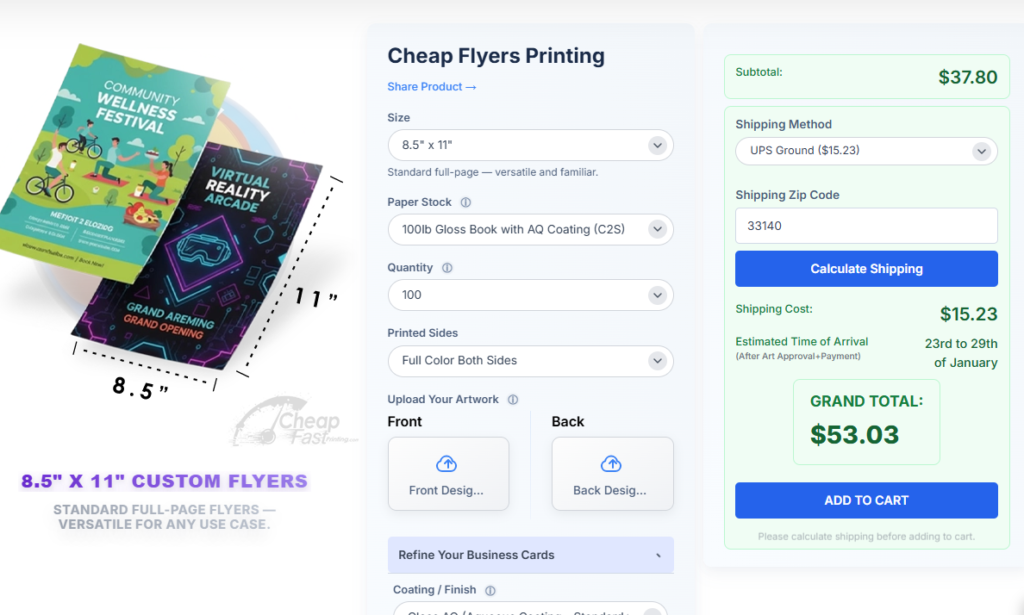
Absolutely. While standard sizes like 8.5″ x 11″ or 5.5″ x 8.5″ offer the most economical pricing due to efficient paper usage, custom dimensions are available. Unusual sizes create distinctive visual impact that stands out, though they may involve slight premiums for specialized cutting requirements.
What file format works best for print submission?
High-resolution PDF files with embedded fonts and images represent the gold standard for print submissions. This format preserves your exact design specifications while remaining compatible across different systems and software. Most print shops provide detailed file preparation guidelines to ensure optimal results.
Should I order exactly 1,000 or consider larger quantities?
The 1,000-piece threshold offers exceptional value, but ordering 2,500 or 5,000 can reduce per-unit costs further if you have distribution capacity. Consider your timeline for using materials—ordering quantities you’ll distribute within six months prevents inventory sitting unused while designs or information becomes outdated.
Do cheap flyers mean lower quality materials?
Not at all. Competitive pricing reflects efficient production methods and bulk purchasing power, not inferior materials. Professional print companies maintain reputation through quality consistency—delivering substandard products would destroy their business. Reading reviews and requesting samples before major orders provides reassurance.
How should I store unused flyers to maintain quality?
Keep printed materials in cool, dry locations away from direct sunlight to prevent fading or moisture damage. Original packaging often provides adequate protection, though resealing opened boxes helps maintain condition. Avoid basements or garages where humidity fluctuates significantly, as these conditions can cause warping or yellowing over time.
Ready to Launch Your Most Cost-Effective Campaign Yet?
Locking in a low rate for a bulk flyer order represents more than just cost savings—it is strategic positioning that ensures you are ready to capitalize on every marketing opportunity. With professional materials on hand, you can act immediately when community events, partnership opportunities, or competitive gaps emerge, rather than waiting for a new print run to be processed.
The combination of bulk pricing and eliminated shipping costs creates a window of opportunity that won’t remain open indefinitely. Businesses planning ahead recognize that building marketing infrastructure now prevents rushed, expensive decisions later when circumstances demand immediate action.Start Your Order Now
Questions about design, materials, or distribution strategies? Our team provides guidance at every step to ensure your campaign achieves maximum impact.
The Strategic Advantage of Affordable Bulk Printing
Marketing success rarely results from single brilliant decisions—it emerges from consistently making smart, cost-effective choices that compound over time. Utilizing affordable, high-volume print runs exemplifies this principle perfectly. You are not just saving money on a single order; you are establishing a sustainable marketing infrastructure that supports growth throughout the year.
The businesses thriving in 2026 understand that effective marketing requires presence across multiple channels. While digital advertising captures attention online, physical materials like flyers create tangible connections that register differently in customer consciousness. This multi-channel approach—combining the immediacy of digital with the staying power of print—delivers results neither channel achieves alone.
Perhaps most importantly, having professional marketing materials readily available transforms how you approach business development. Instead of viewing every opportunity through the lens of “can we afford to promote this,” you simply execute. Community festival coming up? You’re ready. Partnership opportunity with a complementary business? You have materials to share. Competitor vacancy creates market opening? You can distribute immediately rather than waiting weeks for printing.
This strategic preparedness separates businesses that capitalize on opportunities from those that watch them pass by while scrambling to produce materials. With the current promotional offer extending through December 31, 2026, now represents the optimal time to build that competitive advantage. The savings on shipping alone could fund additional marketing initiatives or improve quality specifications on your next order.
Whether you’re launching a new venture, expanding into new markets, or simply maintaining consistent community presence, affordable flyer marketing provides the foundation for cost-effective outreach that delivers measurable results. The investment pays dividends not just through immediate campaign response, but through long-term brand building that establishes your business as a recognized, trusted presence in your market.
About Michael Robertson
Print Marketing Specialist | 12+ Years Experience
Michael Robertson has spent over a decade helping businesses maximize their marketing ROI through strategic print campaigns. With experience managing campaigns for everything from local restaurants to national retail chains, he specializes in identifying cost-effective solutions that deliver measurable results. Michael holds certifications in both traditional print production and digital marketing integration, allowing him to bridge both worlds effectively.
Resources: Link1